Archive for the ‘A Launch Story…’ Category

h1

An Italian and Magazine Love Affair: The Story of Uomo Moderno Magazine. The Mr. Magazine™ Interview With Founder and Publisher Francesco Di Maio

November 18, 2014

“I went for ink on paper because I believe that my magazine is a collector’s item. So I feel it’s something that people needed, not digitally, but in their hands, something that they needed to hold on to, something physical and tangible.” Francesco Di Maio
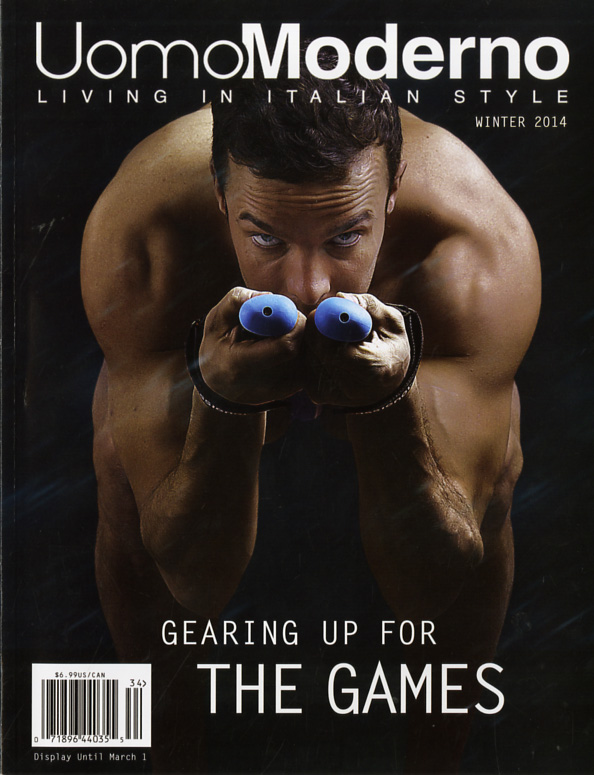
Uomo Moderno-18 In the already crowded market of men’s interest magazines; what do you do to stand out and capture your audience’s attention? Put an Italian spin on it, of course. Uomo Moderno is everything fashionable and stylish, from an Italian perspective. It’s sleek, modern and absolutely beautiful to look at.

Francesco Di Maio is the publisher of the magazine and I reached out to him recently when I selected Uomo Moderno as one of the 30 Hottest New Launches of the year. We talked about the possible insanity of what he’d done by launching another men’s interest magazine and his motivation for doing it anyway. Francesco was gracious, honest and very passionate about his subject matter and his ink on paper product. Recognizing the collectability and ownership of print, he felt putting his magazine out there on paper in all its brilliance was the right path for him. And I would definitely have to agree with him.

So sit back, maybe in some Italian leather if you have it, and enjoy the Mr. Magazine™ interview with Francesco Di Maio, Publisher, Uomo Moderno…

But first the sound-bites:

Francesco 3 On whether he was crazy to launch a men’s interest magazine in this day and age: I could be. (Laughs) People have called me crazy in the past. But, I look around me and I see people are still reading magazines and are interested in them and I think one of the most engaging things is that people are really interested in niche magazines.

On the DNA of Uomo Moderno: I was very inspired by the year 2013, which was declared by the Italian government the year of Italian culture in the United States. The magazine is what I see as a showcase of what it means to live in Italian style.

On the biggest stumbling block he’s faced:
In my opinion, it’s a common stumbling block or challenge that any new magazine is going to face, trying to get partners (advertisers) onboard. But it’s happening little by little.

On his most pleasant surprise:
The amount of high-profile people who are discovering the magazine and who want to be in it, both in Italy and America. I’m so excited about that.

On whether he expected to come as far as he has in such a short time since the magazine’s launch:
No, not whatsoever. I never dreamed on being down the road this far in just over a year.

On why he decided on an ink on paper product:
I went for ink on paper because I believe that my magazine is a collector’s item.

On whether we will ever see an Italian edition: They (Italians) read the English digital version and look at the pictures, so I think one day it may very well be, especially if I see that there is a definite interest.

On what keeps him up at night:
Sometimes good things, sometimes bad things. (Laughs) There are times where I’m up at night thinking about the future, the possibilities of exciting articles.
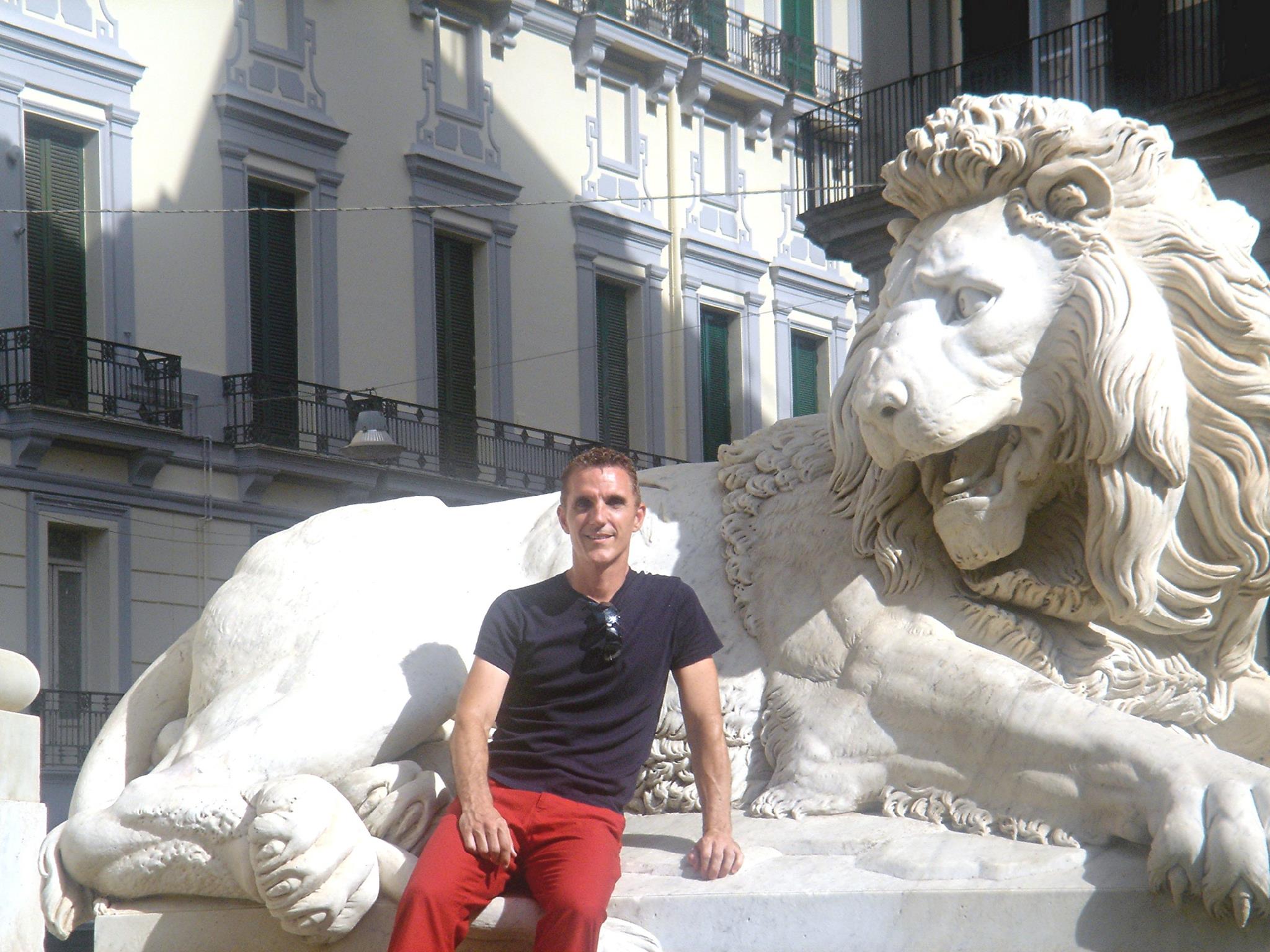

page0001 And now the lightly edited transcript of the Mr. Magazine™ interview with Francesco Di Maio, Publisher, Uomo Moderno…

Samir Husni: First of all, congratulations on Uomo Moderno being selected as one of the hottest magazine launches of 2014.

Francesco Di Maio: Thank you very much and I am very excited about being chosen as one of your hottest new launches of the year.

Samir Husni: My first question to you is: do you think you’re out of your mind to launch a men’s fashion magazine based on the Italian lifestyle in this day and age?

Francesco Di Maio: I could be. (Laughs) People have called me crazy in the past. But if you look at the magazine market you can see several things happening.

It’s my understanding of the industry, and I’ve been in publications, not continuously, but for the most part, the last 20 years, and what I see is there have been radical, almost revolutionary changes in the way people consume information. First, with the rise of the Internet and personal websites and second, all the social media; we see that information is being consumed in different ways through postings and pictures and of course, that has upset the entire print market, not just for magazines, but for newspapers and also for books.

But at the same time, I look around me and I see people are still reading magazines and are interested in them and I think one of the most engaging things is that people are really interested in niche magazines. They’re looking to find information according to specific topics or specific categories.

So with all of this upset in the magazine market, we also see a growth of specific niche magazines and some are actually selling better now than they have in the past. I think it is probably crazy and a person would have to be a little out of their mind to launch a new magazine in this market, but at the same time I think if someone is able to create a magazine according to what people want and what they’re looking for, then possibly it’s not as crazy as it seems.

Samir Husni: Can you tell me a little about the DNA of Uomo Moderno and what you’re trying to accomplish with it?

Francesco Di Maio: I was very inspired by the year 2013, which was declared by the Italian government the year of Italian culture in the United States. And we see that within the U.S. there is a lot of interest in Italy and a lot of people don’t understand modern-day Italy. And even people who say that they are from Italian descent, second-third-or fourth generation, they claim their Italian heritage, yet they don’t really understand anything about their ancestors’ country yesterday or today. They just know that someone in their family emigrated here from Italy. But they have a great love and passion for their heritage.

These facts were part of my motivation, but also another catalyst for the magazine was that Italy has gone through a very serious economic crisis. Our country is one of the strongest countries in design, fashion and creativity, but is on the verge of collapse.

So I took all of these factors into consideration and I thought it would be great to showcase Italian fashion, style, design, décor and architecture, just everything about living in Italian style in modern-day Italy, to show the world who we are despite the economic troubles that we’re having.

The magazine is what I see as a showcase of what it means to live in Italian style. I called it Uomo Moderno, which in Italian means Modern Man. And it doesn’t have to be a man in the sense of a male “man,” it can be female. Although its focus is on the male man because I’m a man and I write from a male perspective. And I deal with a lot of topics that interest men. But I am bringing more and more topics that would interest females into the magazine, because in the United States much of my readership is female.

Basically, if I had to say it in a nutshell, the magazine is a showcase of living in Italian style and I try and make it a lifestyle and fashion magazine, which presents young and emerging entrepreneurs and designers of Italy to the United States. And not only entrepreneurs, but musicians, actors and people from all walks of life.
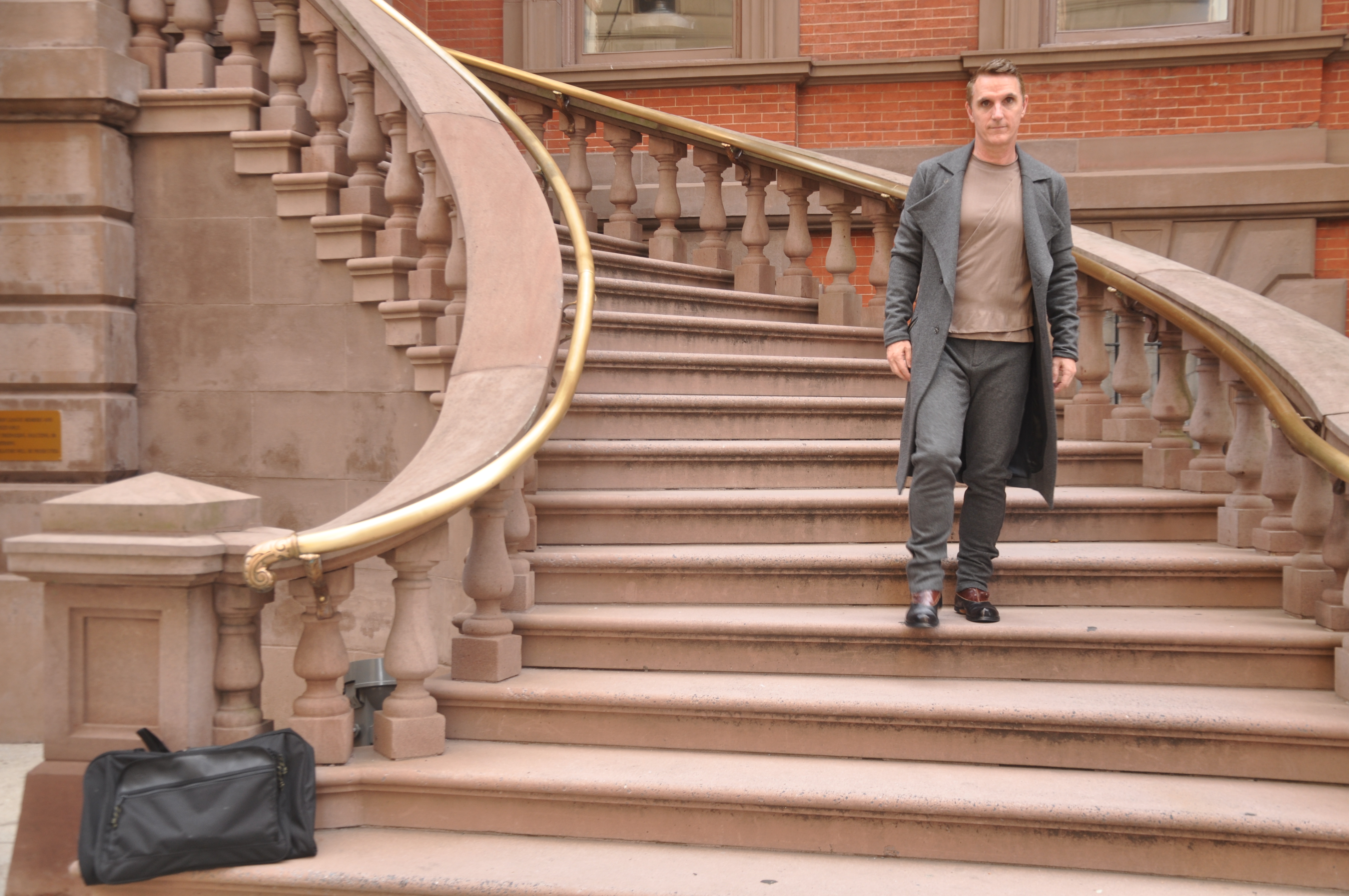
Francesco 2 Samir Husni: What was the biggest stumbling block that you had to overcome when it came to launching the magazine?

Francesco Di Maio: I think the biggest stumbling block would be what everyone would face, because when it comes down to the content or the graphic design, the layout and creativity, there is no problem. There is so much content because we’re dealing with a country that is abundant in style, fashion and creativity. When you think about the actual magazine itself; I think one of the biggest stumbling blocks is not even distribution because people want the magazine; the biggest stumbling block is getting the sponsors and advertisers onboard, because the magazine is new and of course people have to see the value of the magazine and they have to want to be in the magazine.

In my opinion, it’s a common stumbling block or challenge that any new magazine is going to face, trying to get partners onboard. But it’s happening little by little. People are seeing and loving the magazine and they’re calling to discuss it, in terms of advertising and investments. It’s a challenge that just takes time even with a quality product.

Samir Husni: And what was the most pleasant surprise?

Francesco Di Maio: The amount of high-profile people who are discovering the magazine and who want to be in it, both in Italy and America. I’m so excited about that.

We did New York Fashion Week and we had Jason Pierre-Paul of the New York Giants walk in our fashion show. And during Philadelphia Fashion Week, we had Brandon Boykin of the Philadelphia Eagles. What happened was having them walk in the fashion show, we were on national television two times this week, first on CBS Game Changers and then on NFL Rush Zone – Nicktoons, Nickelodeon.

For me, it was just so exciting because I didn’t expect that within a year and a half of the magazine’s existence, this would happen. I got to meet these great celebrities and it was just so exciting. These are some of the joyful moments of publishing a magazine.

Samir Husni: When you launched the magazine, did you ever expect that in just over a year you would be at the point you are at now?

Francesco Di Maio: No, not whatsoever. (Laughs) I launched the magazine with the intention of being digital only and we did a few trial runs. Then when I heard the reaction of so many people in various industries tell me how beautiful the magazine was and how much they loved it and how easy it was to read and digest the information; I knew I was on to something. But I never dreamed on being down the road this far in just over a year. And I never dreamed of being on television, for sure. (Laughs) It’s just very exciting.

Samir Husni: Why, after doing the testing on digital, did you decide to go with ink on paper?

Francesco Di Maio: I went for ink on paper because I believe that my magazine is a collector’s item. I believe that the quality of the magazine, both in terms of the physical paper and print and the content, is something that people would want to save and interestingly, I have a lot of people tell me: Francesco, I keep your magazine on my piano or my coffee table and people come to my home and they really admire it.

So I feel it’s something that people needed, not digitally, but in their hands, something that they needed to hold on to, something physical and tangible. That’s what motivated me to do it in print and that has been the result so far, people have been pleased.

Samir Husni: Will we ever see an Italian edition of the magazine?

Francesco Di Maio: It’s funny you ask that because I have a very big readership in Italy on the website and Facebook and many Italians are following the magazine, but I don’t know the percentage of Italians that read English. Uomo Moderno magazine is a magazine for foreigners written in English so that they can understand about living in Italian style, but I’m noticing that a lot of Italians are reading the magazine because they don’t know about all of these emerging designers we’re writing about.
200 Samir Husni: Foreigners in their own land. (Laughs)

Francesco Di Maio: Yes, for the moment. (Laughs) They read the English digital version and look at the pictures, so I think one day it may very well be, especially if I see that there is a definite interest. Yes, I would love to have an Italian version. I’ve been looking into a Chinese version, because I know that in China there is an extremely high interest in Italian fashion and design. Just as I know that in the Middle East or North Africa, there are many followers who really love Italian design. But with English as kind of a global language, people are able to read it. So these are things I will need to figure out in the future.

Samir Husni: Is there anything else you’d like to add?

Francesco Di Maio: The only thing I’d like to add is I’m really extremely excited about the people who are my partners. They’ve been a great support. Also, I’d like to say that it’s a great pleasure to be able to present and showcase Italy and all of its fashion, the good and the bad. And to be nominated as one of the 30 Hottest New Launches in the U.S. is a great honor and I did not expect it. I am so thankful to be recognized, to start out as no one and then to have the hard work noticed. It’s such an honor.

Samir Husni: My typical last question; what keeps you up at night?

Francesco Di Maio: Sometimes good things, sometimes bad things. (Laughs) There are times where I’m up at night thinking about the future, the possibilities of exciting articles. Sometimes those things keep me up at night. Or I’ll be really excited about an edition that we’re doing.

And occasionally, I’m up at night worrying about all of the challenges that we’re facing. Those things keep me up.

Samir Husni: Thank you.
h1

Going the Distance: The Story of AFAR as Told by Its Co-Founder/CEO Greg Sullivan. An ACT 5 Presentation.

October 17, 2014

Greg Sullivan,Co-founder/CEO of AFAR Media, publisher of AFAR magazine delivered the second keynote of day three of the ACT 5 Experience. You can view his Oct. 9 presentation by clicking the video below.

h1

Get Ready to Feel Smart Again: Floss Your Brain With Mental Floss Magazine… The Mr. Magazine™ Interview With the Magazine’s Co-Founder Will Pearson

August 22, 2014


“I think there is an incorrect belief that younger readers aren’t reading print. And I think that belief has largely been because so many people are watching the shifts in the industry that are happening that have made it more challenging for some of the huge mass market titles to be successful in the same way they were in the past.” Will Pearson

mental floss-2 Do you want to know how to start a magazine? Just ask Will Pearson and Mangesh Hattikudur, two young men, who while still in college, decided to Google that very question.

The result was the birth of Mental Floss – a magazine that makes its readers “feel smart again” by informing them of just about anything they might want to know – from the sublime to the ridiculous.

And 14 years later, the magazine is still flossing its readers’ brains with content so original, it’s as though the words themselves had just been born.

I spoke with Will Pearson, one of the magazine’s founders, recently and discovered the passion and fire he had for Mental Floss as a younger man, when he and his buddy Mangesh came to see me at Ole Miss in 2000 to ask me about the magazine start-up, was still burning bright after all these years. From a YouTube channel, to games, from the print magazine to a children’s line of products; Mental Floss and its creators are the epitome of innovation and zesty delight.

So get ready to “feel smart again” as you enjoy the Mr. Magazine™ interview with Will Pearson – co-founder of Mental Floss.

But first the sound-bites…

will-pearsonOn the current status of Mental Floss after 14 years: The current status of Mental Floss is good. Fortunately, we’ve seen tremendous growth over the past three years.

On how they’ve managed to maintain their younger audience:
I think there is an incorrect belief that younger readers aren’t reading print.

On the increase in frequency of the magazine:
We’ve been able to maintain our growth and with a profitable circulation have found that it was profitable to go one issue higher, from six to seven to eight and now nine and looking at going beyond that potentially and we’ll continue to do that as long as the numbers make sense.

On whether the brand could exist without the digital component:
Can the brand exist without a printed magazine? I think it can exist, but I don’t think it would be as strong without the magazine.

On where the majority of their revenue is coming from:
An increasing percentage of our revenue over the past couple of years has been coming from advertising on the digital side of the business and that’s now representing probably about half of our business, to be honest with you.

On anything for children on the horizon:
We’ve definitely been dabbling in the children’s industry. There is a great company that’s called Melissa & Doug that make children’s products and we’ve started a line with them called Smarty Pants and we’re expanding that line.

On what keeps him up at night: I think weighing the opportunities that we have is constantly what keeps me up at night. Trying to think of what we should be doing next and that constant battle and balance of making sure that we’re doing the things that we’re currently doing very well, while also looking at new opportunities.

And now the lightly edited transcript of the Mr. Magazine™ interview with Will Pearson – Co-Founder, Mental Floss…

Samir Husni: A lot has changed since we visited some 14 years ago and also with the recent death of Felix Dennis. So considering all that’s happened, what’s the current status of Mental Floss?

Will Pearson: The current status of Mental Floss is good. Fortunately, we’ve seen tremendous growth over the past three years. You know, one of the main reasons we sold to Felix was not just for own wellbeing, but knowing that the brand would be in good hands. We’d admired Felix from a distance for years, the way that he approached business and the way that he had successfully grown so many businesses. And had managed to do so while not always following the rules of the industry, which was kind of exciting for us. So we knew that in selling to Felix we would be able to continue to grow Mental Floss in the spirit in which it was launched and not have to follow the rules of some corporation or just become a number within a bigger corporation.

Really nothing has changed with Mental Floss since Felix passed. When Felix knew that he was not well and a few of us also knew that he wasn’t well, he put the pieces in place to make sure his companies in the U.S. and around the world would remain strong and would continue funding the planting of the trees in his forest in the U.K. and that would remain his legacy.

It’s in many ways such a fitting thing with it being somebody as eccentric as Felix, that after he passes we’re now working for a bunch of trees, which is very funny and also I think for our employees a kind of fun thing to know that it’s not some giant corporation that everybody is reporting to, that we’re actually doing this for a really fun and interesting cause.

Samir Husni: What would you tell someone who would say to you, “But Will, you’re cutting trees to continue with print, yet you’re planting trees…

Will Pearson: (Laughs) This is very true. And it is one of those things – there’s nothing that replaces the experience of reading a print magazine for a lot of people. Obviously the industry has tried to make moves to move to a more sustainable source of paper for printing, but really until the day comes that something feels as good or replaces that experience of reading a print publication, there will still be those of us that enjoy holding and reading paper. It’s a very different experience and I know you fully understand.

And so we’ll be doing that as long as there is an interest there. It’s not the biggest portion of our audience, but it is by far the most loyal, those 150 to 200,000 people that read every issue are by far the most engaged members of our audience.

Samir Husni: So who is your audience? You started this magazine 14 years ago; you and Mangesh were the digital natives, you were both finishing school and the Internet was just coming onto the scene. How have you managed to keep the same audience as you both are?

Will Pearson: I think there is an incorrect belief that younger readers aren’t reading print. And I think that belief has largely been because so many people are watching the shifts in the industry that are happening that have made it more challenging for some of the huge mass market titles to be successful in the same way they were in the past.

But there is no evidence that smaller titles, or titles that find a very core audience, can’t be successful. So fortunately, we really had no choice but to start this brand on a shoestring budget and to grow it organically. We didn’t have the deep pockets to blow this out in a huge way. If we had, we would have burned through that cash quickly and probably have gone out of business.

I think the same would have happened had we decided to launch Mental Floss as a digital-only property. But what we did instead was in a very organically-grown way, we started to find this core audience. And in many ways it was more of a psychographic, our audience is a younger audience, many of them are in their 20s and 30s, but at the same time it’s really more the lifelong learner. So we have a decent percentage of our readers who are retired and just looking to continue their education or return to their education.

We have a number of readers who are teenagers that are interested in these kinds of topics and looking forward to the things that they may learn in college.

Unlike many lifestyle titles or titles that are really focused in on a very narrow group, Mental Floss is really reaching more of that psychographic of the lifelong curious learner that’s out there.

Samir Husni: I’ve noticed that recently the frequency of the printed magazine is increasing. You went from six to nine times…

mental floss2-3Will Pearson: Yes, that’s kind of unusual right now in the industry. But the reality is because of the circulation model that we have, because we refuse to spend a fortune to kind of artificially grow the circulation and because we don’t give the magazine away, which much of that goes to your credit of advising those of us who were starting up magazines over the past decade or two, we know the value of our product.

Magazines have real value. So much work goes into producing these and readers get great joy out of reading each issue and it almost seems criminal to try and sell a subscription for $3.99 or whatever, because it doesn’t lead to a sustainable model.

What we really had to do, out of necessity early on, but have continued to do so, and it was certainly a belief of Felix’s with The Week or any of his other publications, charge the value of the magazine. So people are paying $24 or $25 for a subscription to Mental Floss, which on a price per copy basis is really high across the industry right now.

So we’ve been able to maintain that growth and with a profitable circulation have found that it was profitable to go one issue higher, from six to seven to eight and now nine and looking at going beyond that potentially and we’ll continue to do that as long as the numbers make sense.

Samir Husni: You referred to Mental Floss as a brand, not just a magazine; do you think the brand can exist if there is no printed product?

Will Pearson: Can the brand exist without a printed magazine? I think it can exist, but I don’t think it would be as strong without the magazine. Again, it’s almost intangible to try and explain it, this connection that people have to print magazines that deliver to them in the mail with whatever frequency it is. That establishes such a strong connection and when we think about the other things we do as a brand, whether it’s publishing books or creating games or building an e-commerce division or trying to build up awareness of our YouTube channel; just anything that we’re doing, that core magazine audience are the first ones to know about it and are the first ones to rally behind it and spread the word about the existence of whatever that new project is.

I do believe the brand could exist at this point without the print product, but I believe it would be existing as a weaker brand than it is now.

Samir Husni: Where is the majority of your revenue coming from: the games, YouTube or the print magazine?

Will Pearson: You know, an increasing percentage of our revenue over the past couple of years has been coming from advertising on the digital side of the business and that’s now representing probably about half of our business, to be honest with you. The subscription revenue or circulation revenue is becoming a smaller piece, but still a very important component and the good thing about the way we’ve been trying to build this is the advertising revenue is being built on top of the sustainable business because what we don’t want to do is fall into the trap of being so reliant on advertising that the company could not survive if there were a significant downturn in the advertising industry.

We’re in a fortunate time now though where we’ve seen such explosive growth on the digital side of the business; the video side of the business and on social media and so many advertisers are moving there rapidly that it’s given us the opportunity to capitalize on that and we’d be crazy not to capitalize on it, but it’s just a common additional, strong component of what we’re doing now as a brand.

Samir Husni: After 14 years, do you feel smart again, or did that smartness never leave you?

Will Pearson: (Laughs) It depends on what day you’re asking me. Actually, I think part of the fun of this business to this point and the reason that we’re still doing this 14 years later is that is does still feel that there is so many things for us to learn. Every day we wake up and we try to think how can we advance the business one additional step and it still feels very entrepreneurial and that’s a very exciting part of being able to do this. I think the day that it feels like we’re either on auto-pilot or just trying to maintain an existing business, it would probably be time for Mangesh and me to move on to something else. But fortunately we’re not at that point. We continue to learn every day and we continue to grow the business. I know we’ve learned an enormous amount over the past several years, but with just how much the industry has changed and how much the world is changing on a daily basis also makes it obvious to us that we have that much more to learn.

Samir Husni: Since you’re both parents, are we going to see a special issue such as Mental Floss for Kids?

Will Pearson: We’ve definitely been dabbling in the children’s industry. There is a great company that’s called Melissa & Doug that make children’s products and we’ve started a line with them called Smarty Pants and we’re expanding that line.

And we are evaluating what the possibilities might be, both in print and digitally, for how to expand that line. Because so many of our readers are either becoming parents or grandparents and it’s something that they’re thinking about.

Part of the spirit of Mental Floss from its beginning was being able to celebrate knowledge in a way that children do or in the way that many children’s products do and that we weren’t really seeing happening with adult products. So I think it would only make sense for us to extend in that direction.

Samir Husni: Anything else you want to add?

Will Pearson: It is still fun after all these years, especially when people are constantly asking us: how did this happen? How did this come about? It’s just funny to be able to tell them the story and your involvement in the story and to be able to say, you know, we wanted to know how to start a magazine, so we Googled it and Google was a pretty young thing at that point, and ended up finding someone who would become a longtime mentor and friend. And it’s just been a lot of fun to be able to go on this ride and have so many people who were such a big part of the early start of the magazine to still be cheering us on.

Samir Husni: My typical last question; what keeps you up at night?

Will Pearson: (Laughs) Well, if it’s not my children, which they unfortunately are Pearson’s, which means they don’t sleep much, we don’t sleep much by nature. Which is both a good and a bad thing, I guess.

But I think weighing the opportunities that we have is constantly what keeps me up at night. Trying to think of what we should be doing next and that constant battle and balance of making sure that we’re doing the things that we’re currently doing very well, while also looking at new opportunities. And it’s easy to go too far in either direction, like not exploring new opportunities, but it’s also very easy to go in the direction of trying to do too many things at once and diluting the brand and not doing any of those things very well. And that’s the battle that I’m constantly fighting and trying to think through internally.

But it’s also why whenever we approach a new project, we tend to experiment a good bit and be able to survive early failure by those experiments, rather than just sinking millions of dollars into some new project. The YouTube channel, for example, is something that we decided, you know what, for a year let’s test this, let’s do a show, see how it goes; if it does well, we can expand it beyond there. And it’s been a huge success; there’s over a million subscribers to the channel now, thanks to our partnership with John Green, who’s been a big part of that and so we’re going to be expanding that, launching a couple of new shows this year.

But those are the kinds of things that are constantly keeping me up at night and just asking myself, are we focusing on the right things.

Samir Husni: Thank you.
h1

Intercourse, The Magazine: No, It’s Not What You Are Thinking… The Mr. Magazine™ Interview With Editor & Director Of Education Development, Catherine Despont.

August 18, 2014

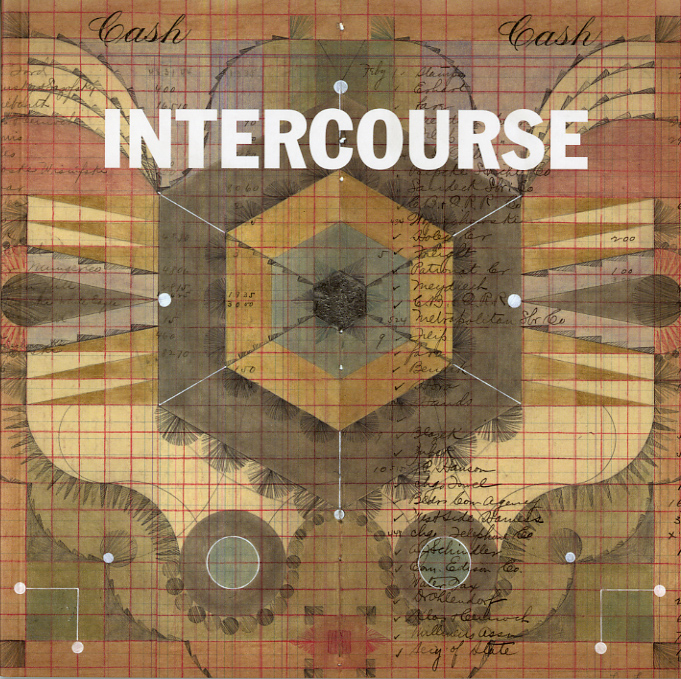
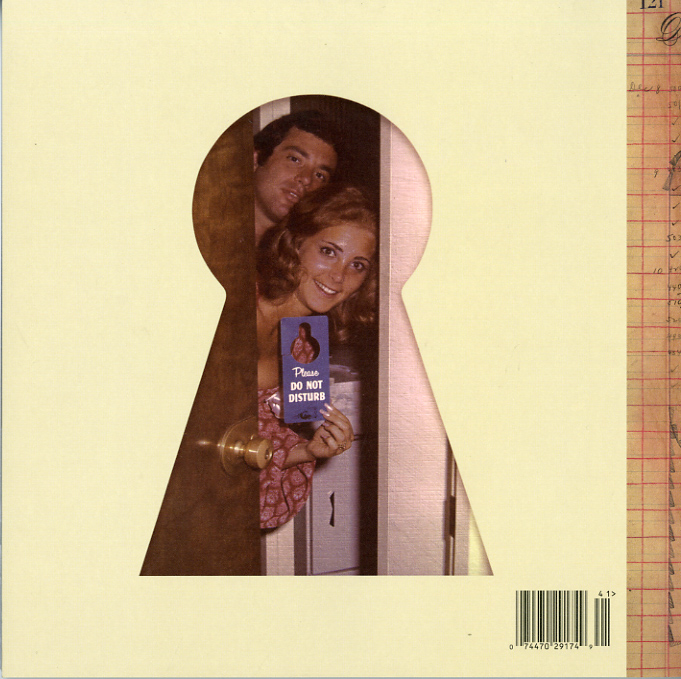
INTERCOURSE-1INTERCOURSE BACK COVER-2 What’s in a name? I just did a blog about that very topic. However, I didn’t include a magazine that is relatively new and devoted to the creation, synthesis and discussion of art, science and education.

The name of the magazine is Intercourse and just mentioning that moniker is cause for conversation. Indeed, isn’t that the sign of captivating content?

The magazine was created within the confines of Pioneer Works, a non-profit organization that according to its Founder & Director, artist Dustin Yellin, fearlessly bridges the chasm between disparate disciplines.

TheBuilding15 (2) The organization is housed in a building built in 1866 and was first occupied by Pioneer Iron Works, one of the largest machine manufacturers in the United States- constructing ships, boilers, tanks, sheet iron, detachable railroad tracks, grain elevators, and machinery for sugar plantations. The building was completely destroyed by a devastating fire in 1881 and rebuilt shortly thereafter.

As for the magazine, Yellin describes it better than I ever could in his letter from the editor in the current issue of Intercourse:

“Ballet or blitzkrieg, Intercourse is not the sickeningly sweet swill used to fatten you at the trough. It is not cotton candy confirming old prejudices. Burning up in the synaptic pop, boiling over in the cosmic crucible, drowning in a million possible futures, it is a swath of spinning galactic organisms coalescing. Intercourse is a capsule to treat tunnel-vision tremors. Anyone can swallow it. You’ll soon feel it dissolving, swimming up your bloodstream, mincing and chirping, to make your beautiful brain grab someone and dance a jig.”

catherinedespontCatherine Despont is the Editor of the magazine and is in charge of Education and Editorial Development. I reached out to Catherine to discuss the magazine’s title and mission and discover more about Pioneer Works in general. The Mr. Magazine™ interview follows and I think you’ll be both amazed and inspired by her answers.

But first the sound-bites…

On the background of the magazine’s title: For us it was about being in this space in a world that was increasingly virtual, when this space is really about being physically present with other people and to that sense, an idea of both intellectual interchange and dialogue, but also physical presence, community and closeness is tied up in the word Intercourse for us.

On why they decided to do a print product instead of just a digital entity: Because the printed product really has the physical presence and so much of this space is about the physical.

On consumer reactions to the ink on paper magazine: People think it’s very beautiful and say it feels like a real object. It has more of a book-like quality because of the format.

On the drive behind the magazine and the non-profit organization, Pioneer Works: To me it’s the opportunity to start a different conversation here. To look at art not just as a fine art object, but as a creative methodology that can be used to understand the world and to approach any kind of subject.

On how they can assess the success of the magazine and Pioneer Works: I believe that step-by-step we’re experiencing success with all we’ve done so far. It’s just a matter of getting the word out to people and getting people to the space and obviously getting them engaged with the magazine, even if they’re in cities that aren’t next door to us.

On what keeps her up at night: Deadlines keep me up at night, dreams of who I could entice into this building; I’m constantly thinking about who I can reach out to, who I can talk to, who I can bring in and do a lecture with and who I can start a conversation with.

And now the lightly edited transcript of the Mr. Magazine™ interview with Catherine Despont, Editor, Intercourse Magazine…

Samir Husni: My first question has to be about the title. To see a magazine called Intercourse has to stop you. Can you give me a little bit of background on the title?

Catherine Despont: It’s important to know that the magazine is associated with a large exhibition space in Brooklyn called Pioneer Works Center for Art and Innovation. And it’s a 25,000 square foot old factory space and it houses a museum, with museum-style exhibitions. We have art and science residencies, so artists and scientists have studios in the space for anywhere from 1-6 months to work on their projects. And we also have a big education department.

And this whole project is the vision of an artist named Dustin Yellin. Dustin is an artist who makes these large sculptures out of glass. He has very big studios and he’s always had kind of a stream of having a place where artists can work together in a common space and just share ideas. He’s always had environments where lots of people have been working together at one time. He had a large studio in Red Hook, just up the street from this space for many years. This place became available and it was always his dream to buy it. And so he bought it just under three years ago and initially thought that he would live in it and have his studio in it, but this project has grown exponentially in that time, so he’s moved his studio out of it, but now runs it and oversees the project.

I’m the editor of the magazine, which ties together all the contents that comes out of this space and I also do the educational programming here.

To answer the question about the title Intercourse, it was always a word that initially Dustin thought he might call the space, but it was a bad choice for a lot of reasons. Intercourse really, obviously, has this idea of discourse, of interchange and catches the eye, but for us it was about being in this space in a world that was increasingly virtual, when this space is really about being physically present with other people and to that sense, an idea of both intellectual interchange and dialogue, but also physical presence, community and closeness is tied up in the word Intercourse for us.

Samir Husni: Here is this community of artists; you have this whole venue – why did you decide to actually do a printed product, in addition to everything else you’re already doing? Why not just the web or digital?

intercourse spread-4 Catherine Despont: Because the printed product really has the physical presence and so much of this space is about the physical. And the idea is we don’t just have artists here; we have artists and scientists; we have a Microscopy Lab, geneticists in residence, we’re working with a new community bio-genetics lab to set up a wet-lab for people to actually do bioengineering here.

For us the space is really about access to subjects and disciplines that would be traditionally sort of reserved for institutions or university settings. And we felt that we really did need the space where lots of different ideas could come together so that a person who is a creative thinker can access any idea, resource or type of person that they need in order to bring their vision to it as well as to voice their expression.

And in that sense it’s also important to have a printed document, both as a way of archiving, as a way of having a tangible trace of the work that’s going on here and also because a lot of internet magazines and print magazines in general also tend to have this very specialized feeling. Either they’re specialized to a particular content or they’re directly targeted to a specific audience.

And it was important to us to have a document that captured the compendium, like the full range of the discussions that happen in this place. The magazine has been our best resource for visitors coming to the space and in trying to get people to understand what we’re doing in a nutshell.

cathedralspace.4 (2) The space itself is very dramatic; it’s a former ironworks and it was built in 1866 and it has this large cathedral-like hall because they originally built train cars in it. There’s something very stunning about walking into it and seeing it. People have a hard time understanding how all of our programming comes together until they see the space and so the magazine is another platform for us to get people to understand the scope and the range of what we’re talking about.

Samir Husni: When people pick up the magazine for example at Pioneer Works; have you been able to track any reactions to it?

Catherine Despont: People think it’s very beautiful and say it feels like a real object. It has more of a book-like quality because of the format. The word Intercourse has this very interesting resonance against the image of the cover that it’s on, because it’s such a fine art image. So immediately there is this tension between the actual word and the elegance of the drawing that’s on the cover. It’s a very dense document and there is a lot of different material in it. There is a lot of strange sort of connections between the articles and people are just very excited. It’s like their way of touching and holding what’s been going on here.

We have so many events and classes, so many exhibits that people like to feel like they’ve taken a part of the place away with them when they leave and that they’ve interacted with it.

Samir Husni: What’s the drive behind Pioneer Works and the magazine? What is it that keeps Catherine going every single day?

Catherine Despont: To me, it’s establishing a new paradigm in education and the creative arts. I think we have a real crisis in education right now; it’s much too expensive and it’s incredibly specialized and competitive. I think it really stalls ideas from just reaching their fullest expression because of the silos that things exist in.

To me it’s the opportunity to start a different conversation here. To look at art not just as a fine art object, but as a creative methodology that can be used to understand the world and to approach any kind of subject.

What drives me is just feeling like I’m really at the forefront of a new movement, in terms of education, in terms of the way we understand the relations between creativity and science and the way in which all of these things can have real effects on people and their lives. So this is really about a community of change and an experiment in envisioning what kind of structures we want for the future; how we want to learn about the world and how we want to engage with the world.

Samir Husni: How can you assess your success; when can you say that you’ve met your goal?

Catherine Despont: We’re launching new programs all the time, for example, when we have 500 people come through our door for events. All of this when we have hundreds of applications for our residency program; all of those things signal success to us.

We’re still in the process of capitalizing within the space and there are a number of building projects that we want to complete. We’re building a science lab, a music recording studio; we want to build a woodshop and a metal shop and an observatory and eventually we see this operating as a canvas.

Once we’ve secured an endowment and once we have people regularly enrolled in this full time as a school and people see us as a resource for a new way of thinking, I think that will definitely be success. But I believe that step-by-step we’re experiencing success with all we’ve done so far. It’s just a matter of getting the word out to people and getting people to the space and obviously getting them engaged with the magazine, even if they’re in cities that aren’t next door to us.

Samir Husni: My typical last question; what keeps you up at night?

Catherine Despont: I just wish there were more hours in the day to do the work that we have to do. Deadlines keep me up at night, dreams of who I could entice into this building; I’m constantly thinking about who I can reach out to, who I can talk to, who I can bring in and do a lecture with and who I can start a conversation with.

It’s the most exciting opportunity I’ve had and my mind is constantly racing about making the most of it.

Samir Husni: Thank you.

h1

Traveling the World One New Magazine at a Time… A Mr. Magazine™ Musing.

July 31, 2014

When many people travel they attempt to learn words and phrases from their host countries in order to communicate and understand the local citizens better – and while that is a most noble and natural cause; when Mr. Magazine™ travels, not only is communication a priority, but also the word “new” is paramount on his list. Whether it’s nouvelle, noveau, jadīd or neu; Mr. Magazine™ revels in the many ways to say the word new.

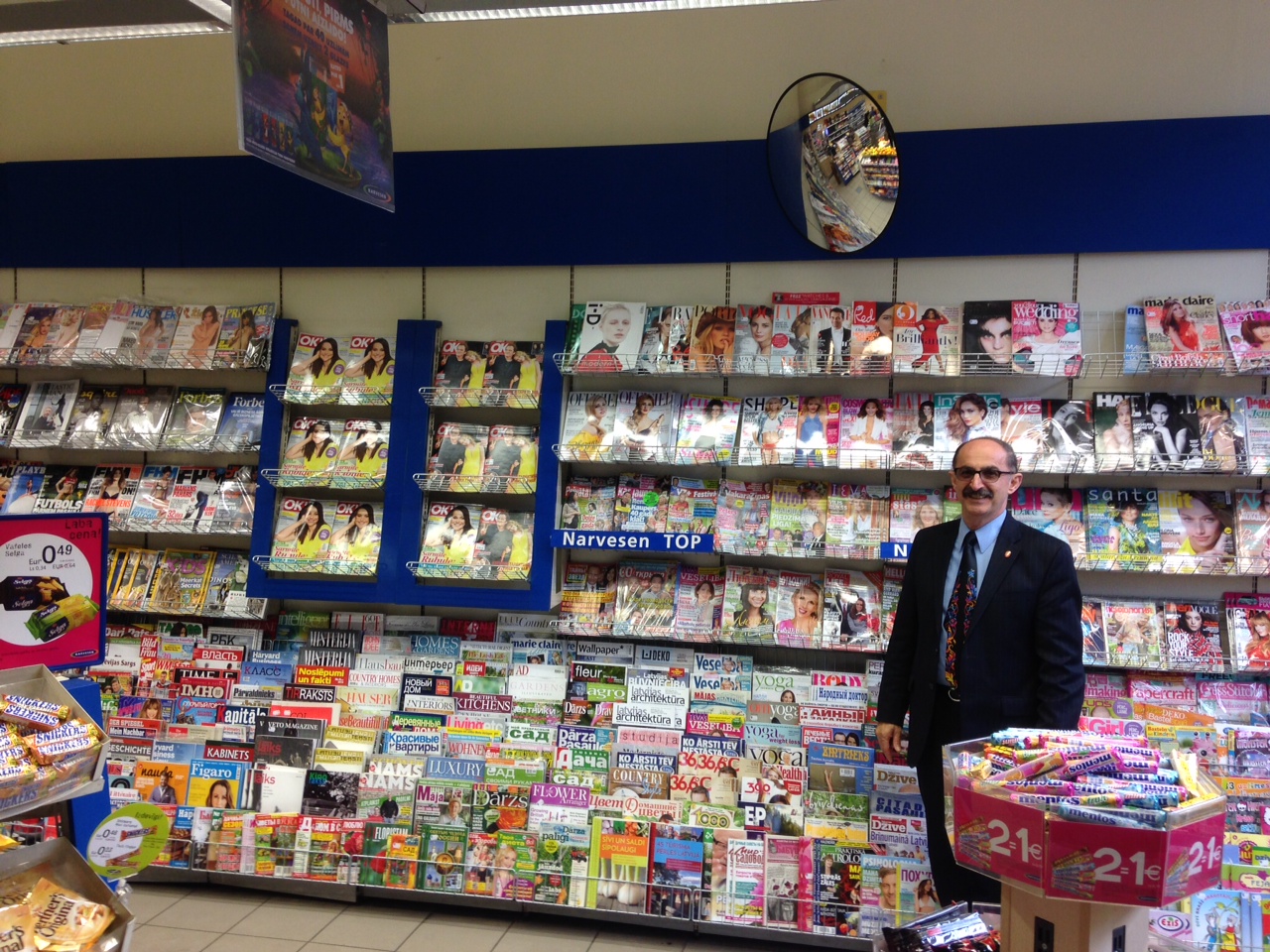
husniinriga At the newsstands in Riga, Latvia.

Why, you might ask? Because new inserted before the word magazine is an exciting prospect to me and when you put the word stand behind it (OK – plus an extra “s”), the word newsstand is born. And I ask you; what could be more thrilling than new magazines and newsstands in foreign countries?

I can’t think of anything.

While most people when traveling to foreign lands are picking up a guide or a map to the best museums or the best places to visit, such as the National Museum of Beirut, Belem Tower in Lisbon or Table Mountain in Cape Town, South Africa, Mr. Magazine™ is searching for newsstands, asking locals to show him where the best in the city he’s visiting is located and the quickest route to get there.

And visiting I did. In the last five months or so, my travels took me to Cape Town, South Africa…Riga, Latvia…Paris, France…Amsterdam, The Netherlands….Lisbon, Portugal…Helsinki, Finland…Munich, Germany and Beirut, Lebanon to name a few.

I have delivered presentations and seminars ranging from trends in magazines to the need to place the customer or the audience first in these wonderful countries and while the presentations and the meetings went very well, it is that newsstand street education that was the secret ingredient that held all the seminars and presentations together.

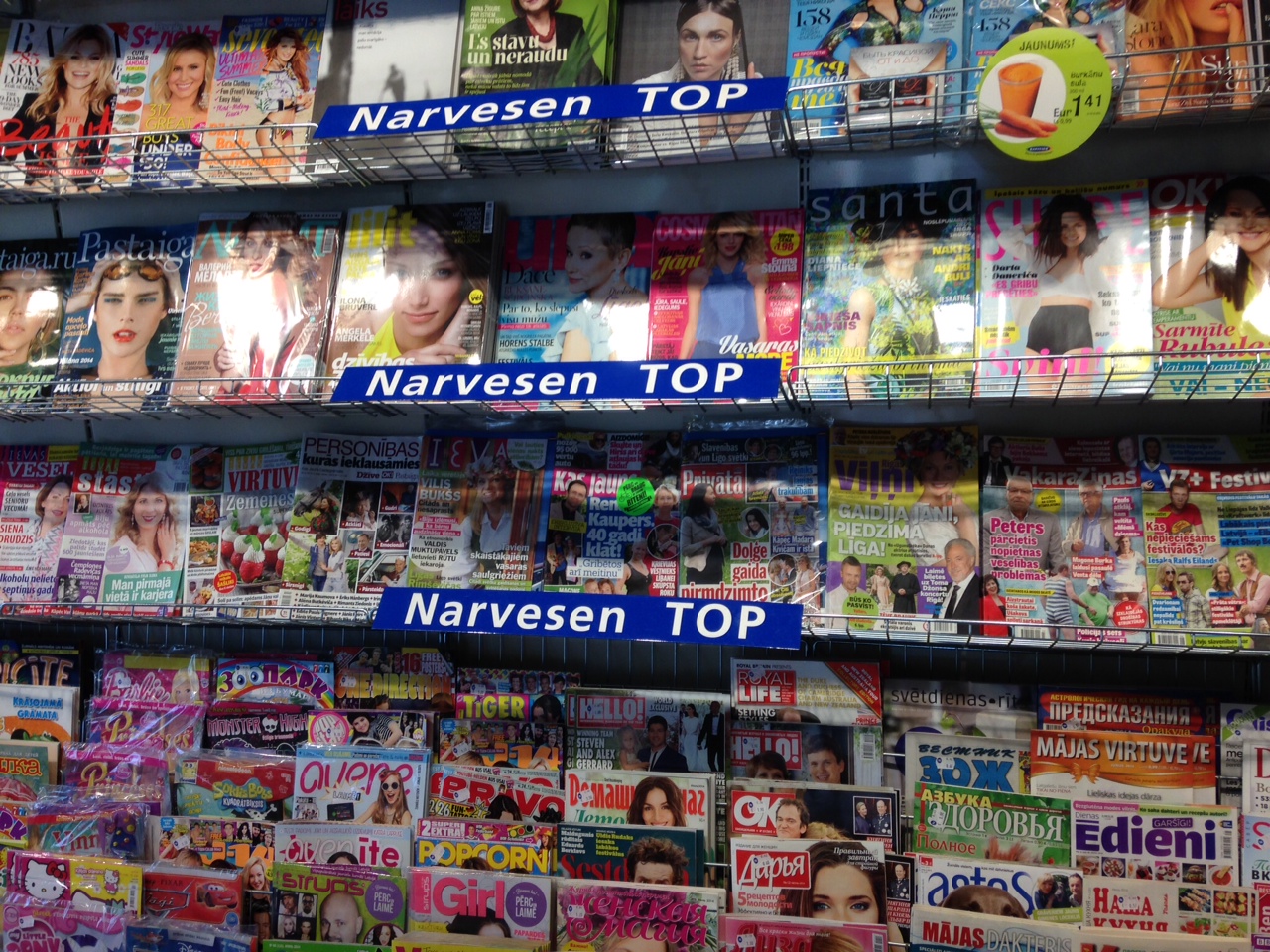
A newsstand in Riga No shortage of magazines in Riga, Latvia.

There is a lot to be learned from a visit to a newsstand anywhere in the world, they remain the best reflector of any society and the latest magazines found there are the new blood of any newsstand. And as I traveled the globe this summer, it dawned on me that this revelation must be shared to be appreciated. So typically, I began to buy these new magazines, searching nooks and crannies of cities so beautiful, they took my breath away, to find sometimes quaint, sometimes immense newsstands across the world. And from my determined hunts, I gathered some of the finest and most creative ink on paper products that I have seen in a long time.

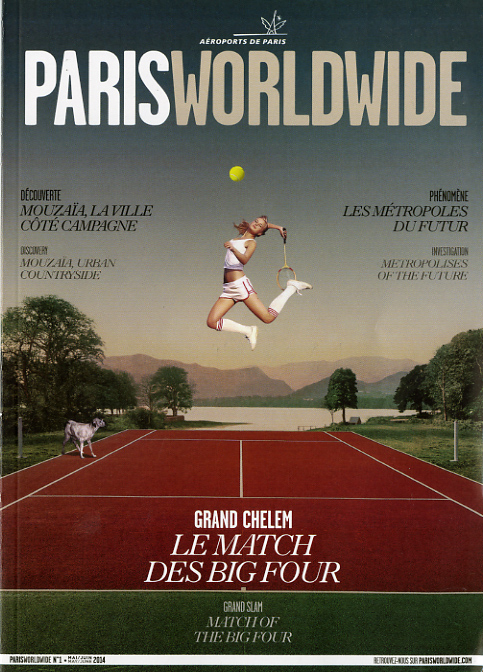
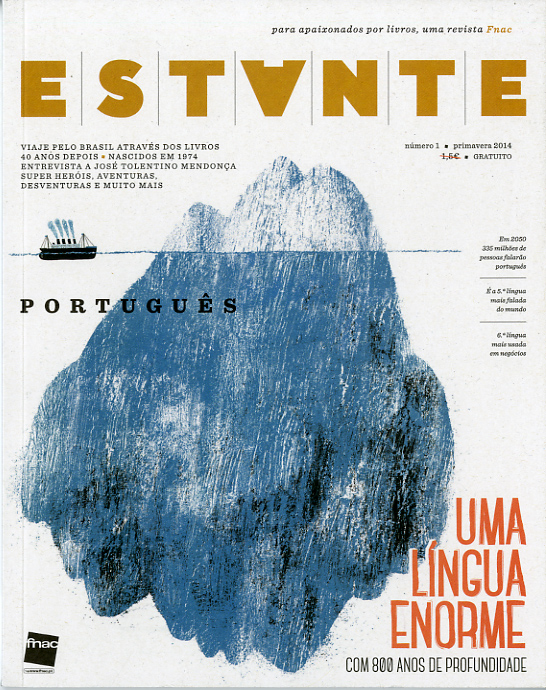
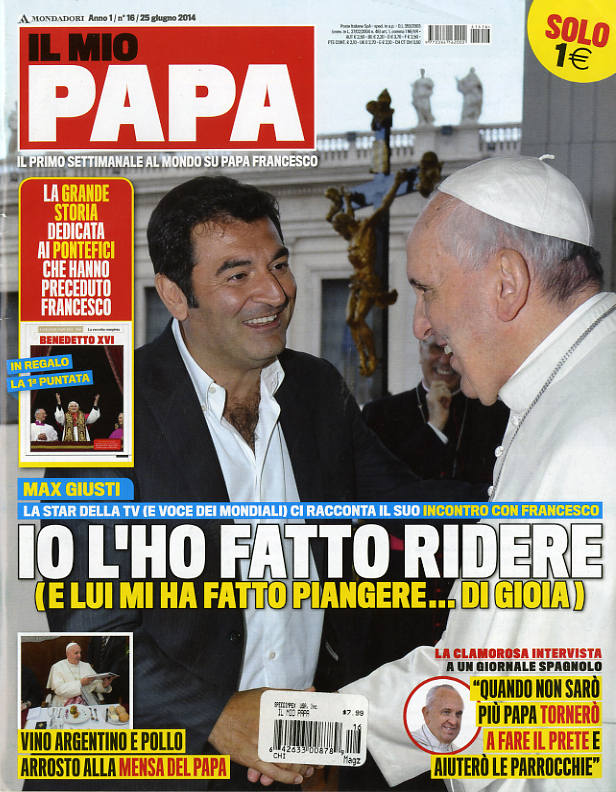
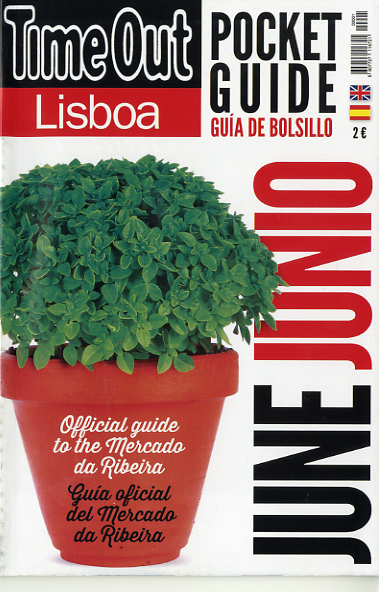
So for your viewing pleasure, take a look at the treasures I brought back from a few of the world’s newsstands and…Vive le pouvoir des revues imprimées!

Until my ship sails again…
Mr. Magazine™
© Samir “Mr. Magazine™” Husni, 2014.

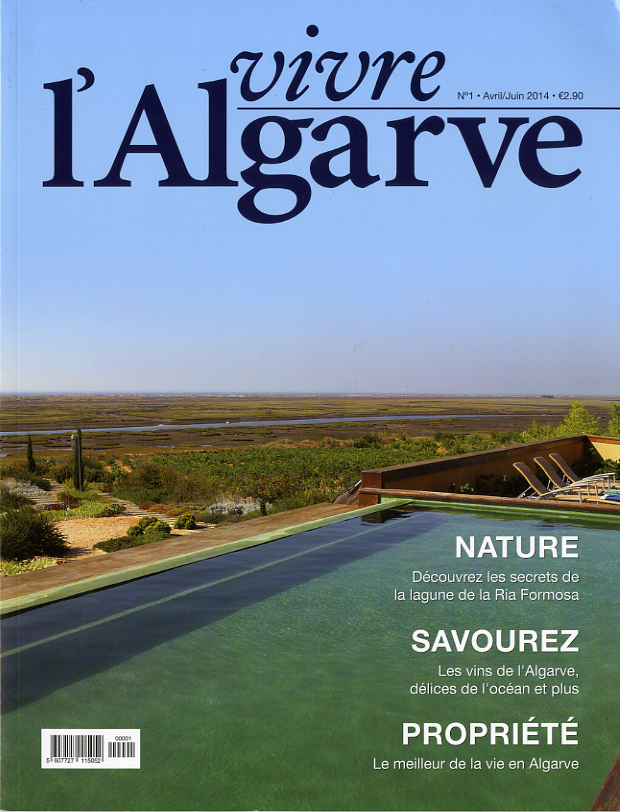
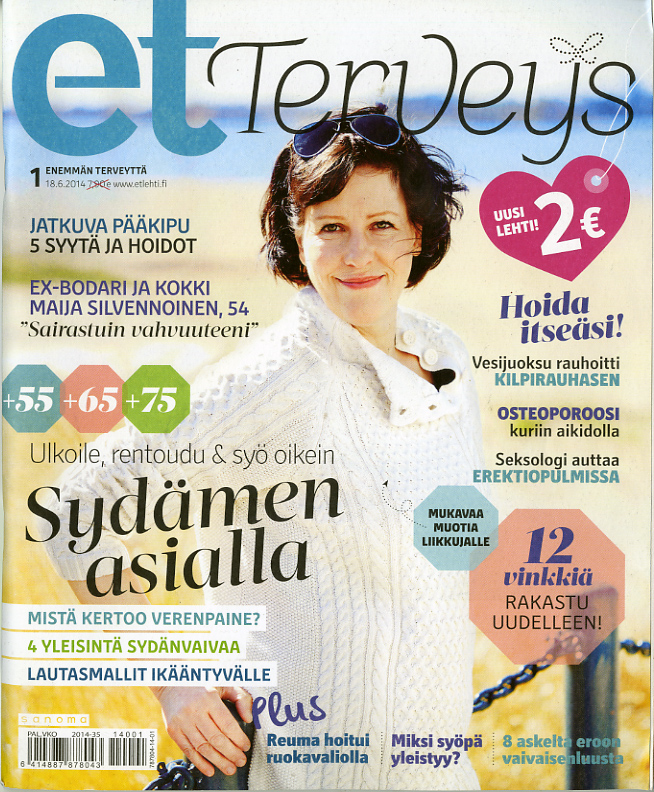
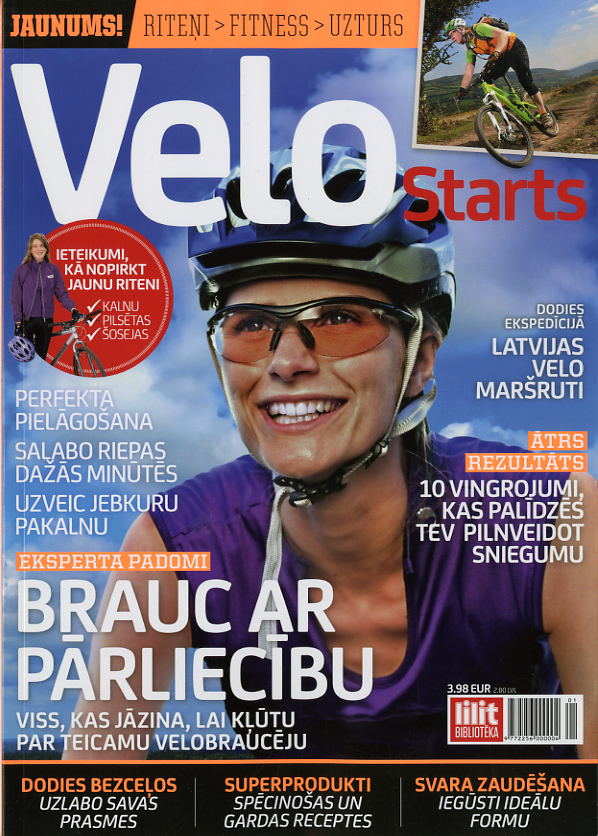
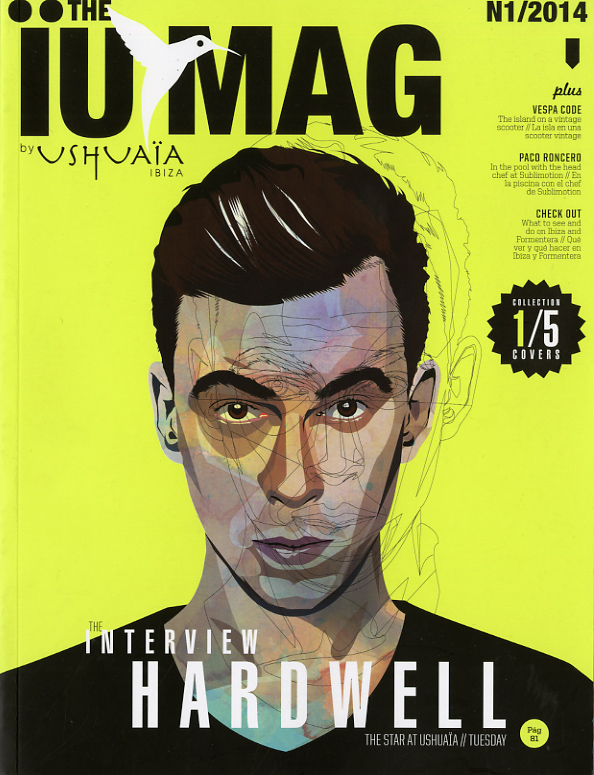
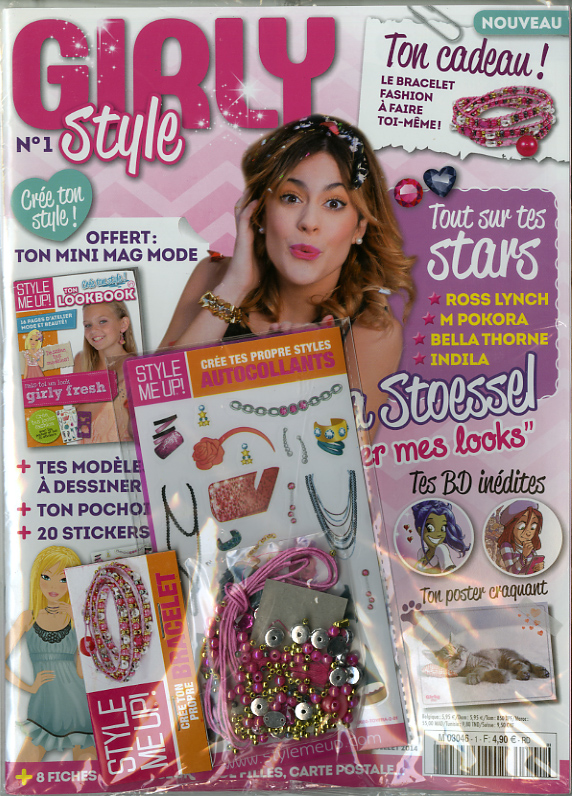
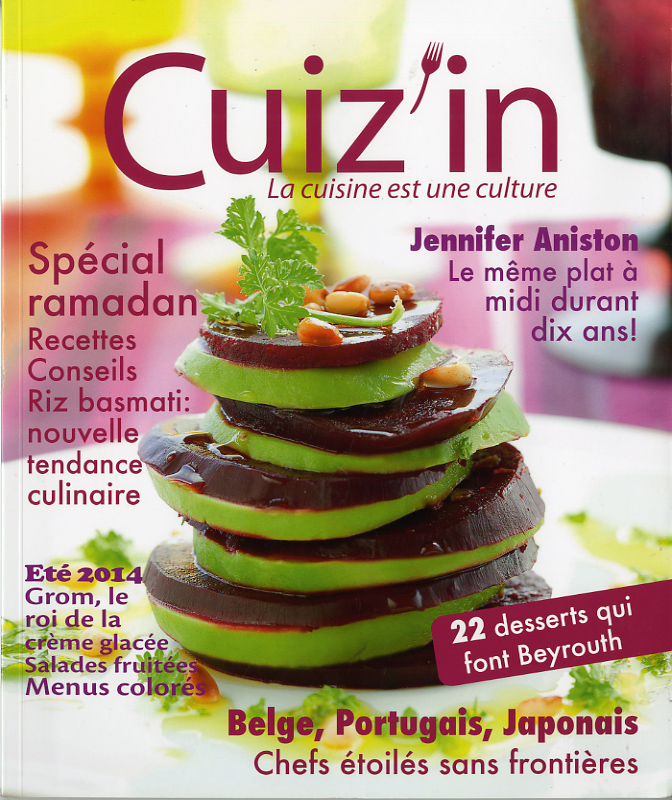
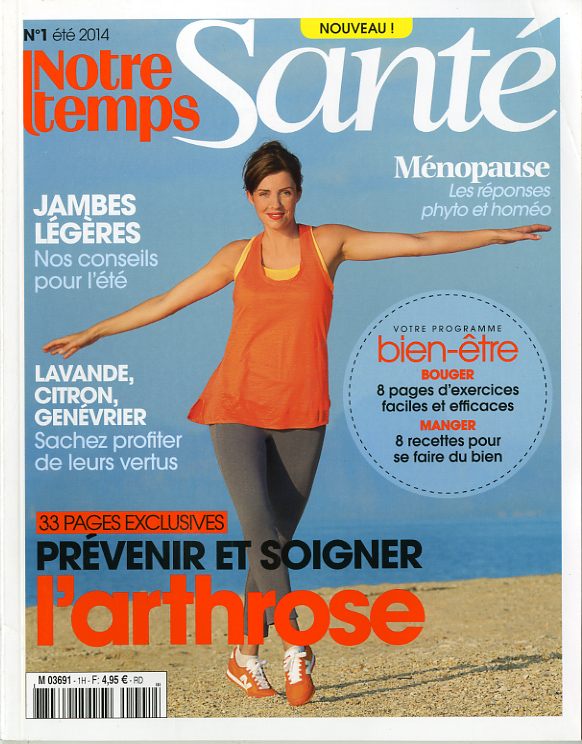
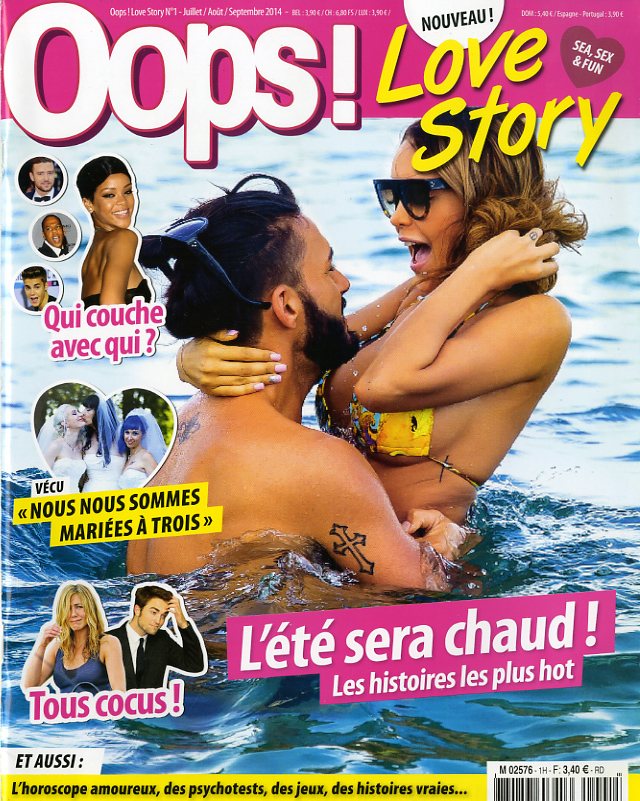
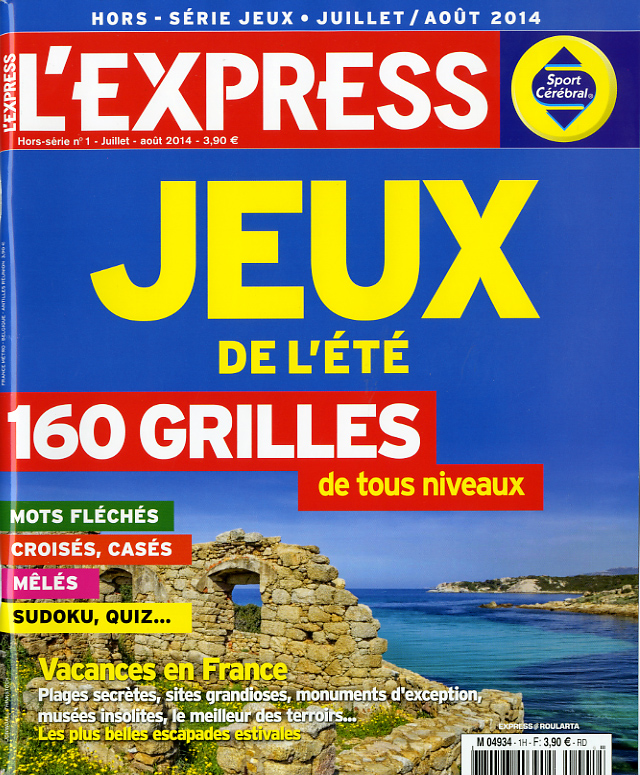
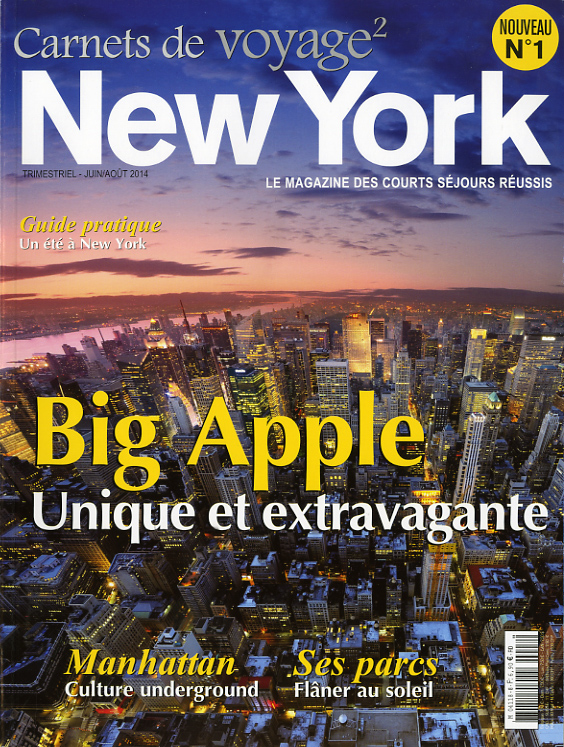
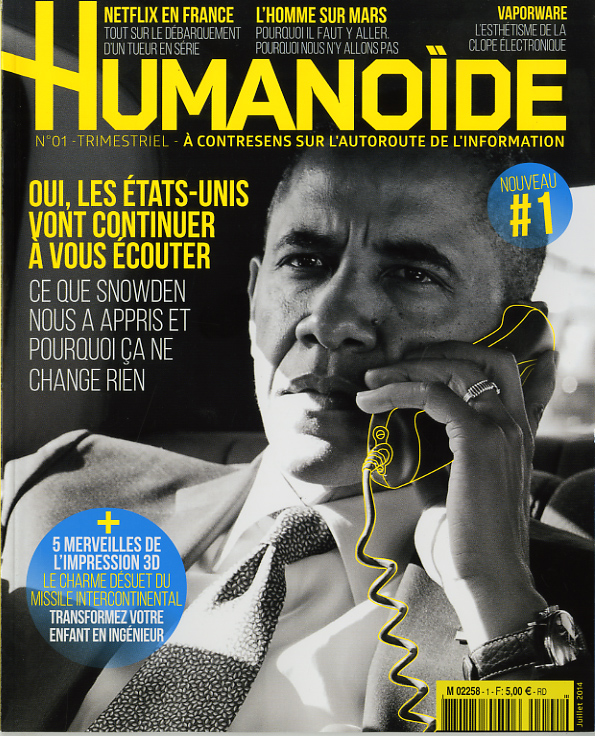
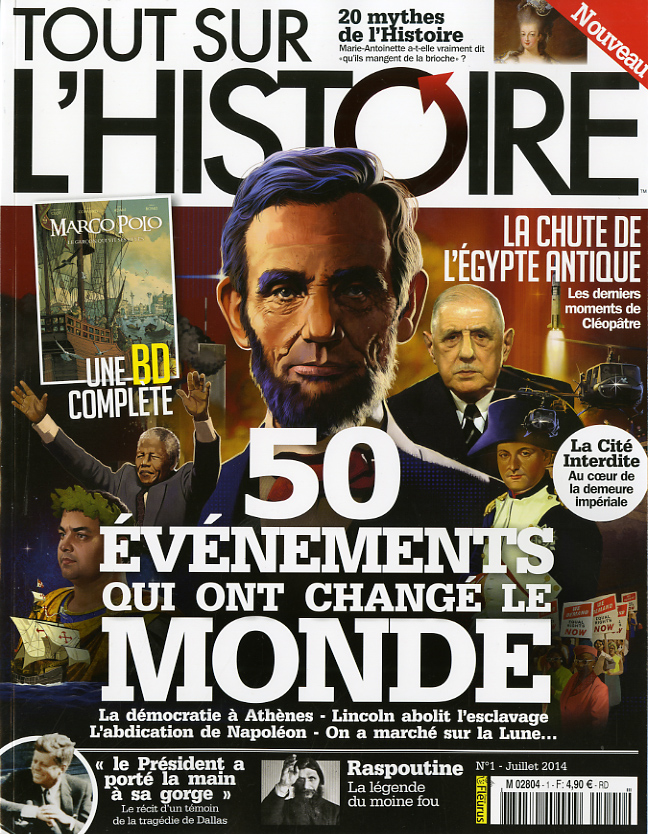
Untitled-59Untitled-56Untitled-55Untitled-53Untitled-49Untitled-48Untitled-45Untitled-44Untitled-41Untitled-40Untitled-37Untitled-36Untitled-33Untitled-32Untitled-29Untitled-28Untitled-25Untitled-24Untitled-20Untitled-19Untitled-16Untitled-15Untitled-12Untitled-10Untitled-7Untitled-6Untitled-3Untitled-2Untitled-1new-33new-32new-28new-29new-25new-24new-21new-20new-16new-15new-12new-11new-8new-7new-6

h1

Parents Latina: Born from the Womb of Data — Reaching Hispanic Millennial Mothers. The Mr. Magazine™ Interview With Carey Witmer, President – Meredith Parents Network & Enedina Vega, Vice-President/Publisher– Meredith Hispanic Media.

June 30, 2014

“We have a lot of data that shows in most instances print is a very important component to the media mix.” Carey Witmer

Parents Latina Cover Parents Latina, a new English-language magazine focused on serving U.S. Hispanic millennial mothers, one of the fastest-growing demographics in the United States, is about to take its place on the newsstands and the powers-that-be behind the new print product are enthusiastic and energetic about consumer reception.

Carey Witmer is President of Meredith Parents Network and Enedina Vega is Vice-President and Publisher, Meredith Hispanic Media and both women are confident the magazine will be a great addition to the Meredith portfolio, so much so that Parents Latina will have a guaranteed rate base of 700,000.

As the most respected brand in the lifestyle category focusing on moms, the Parents brand, along with Meredith Hispanic Media, plan on Parents Latina serving a unique niche of millennial, Hispanic moms across the country.

So sit back and get ready to see why the Parents brand is still going strong today and launching a print product that’s sure to be a success…the Mr. Magazine™ interview with Carey Witmer & Enedina Vega – Parents Latina Magazine.

But first the sound-bites…


On why the Parents brand is launching Parents Latina with a guaranteed rate base of 700,000:
We saw the changing demographic and that really led us to launching what we’re launching. We were seeing what was happening with the language questions we were getting from marketers and what we were observing from our consumers as well.

On the unique selling feature of Parents Latina:
There are some nuances just in terms of how she feels about family, which varies somewhat from the general market. So she does have specific needs that we will be addressing.

On whether they’re looking for a new audience or to just add to the consumer reception they already have:
I would say that we are looking to expand the data base of women that we reach.

On the stumbling blocks that they’ve faced during the preparation of the launch:
The hurdle really is to educate the advertising community and the agencies about the nuances of the Hispanic market because as marketers it’s easy for us to put people into silos and to think of segments as being homogeneous and we know that the Hispanic market is not.

On whether the message is on selling the power of print:
We have done quite a bit of research on Moms and media, so we have a lot of research that shows that this is a market segment that consumes media and it’s really not a question of digital versus print or broadcast; this is a multi-channel information-consuming market segment.

On their most pleasant surprise during this venture:
I like the phone calls; people calling us, that’s hard to come by. And from big companies that matter.

On what keeps Carey Witmer up at night: For me, it’s discovering what the next big thing is that’s going to matter to the consumer and therefore matter to Meredith.

And now the lightly edited transcript of the Mr. Magazine™ conversation with Carey Witmer & Enedina Vega – Parents Latina Magazine…

Samir Husni: Can you tell me about the birth of the idea; what did you do before you decided to have a Parents Latina?

Enedina Vega: We worked on the strategy for almost a year, just looking at what all of the company’s assets were when it came to the Hispanic population across the company’s portfolio. We worked to identify who was in our data base and who we were reaching across digital.

And as a result we’ve found that we are reaching 6.6 million unique viewers monthly who are Latina across the Meredith data base and that we’re reaching these women with content that was both in English and in Spanish. And that’s a pretty significant number.

And then of course, the opportunity that we uncovered with this particular market’s segment: Latina millennial moms in print.

We really worked for a period of time to identify where the pockets and the assets were within the company that we could monetize and take to market in a unique way. And part of that was really focusing on our data base, the 6.6 million that we have in digital and now Parents Latina.

And we looked at a number of different, once we focused in on something in the parenthood space; we looked at many different iterations of what it could be and what we would call it. We had long meetings about what the name would be and then finally we agreed on the Parents name and we did some consumer testing and it just came back so incredibly positive. And we thought it would, we weren’t sure, but we thought that would be the case, so that really led us to where we are today.

Samir Husni: And what is the launch date?

Carey Witmer: The first issue will be out in, hopefully, April, 2015.

Samir Husni: Why now? Why are you launching a 700,000 guaranteed rate base magazine, Parents Latina, in today’s marketplace?

CareyWitmer_8.12Carey Witmer: We believe that there’s a real opportunity here. And Enedina and I and several others have been looking at this opportunity for quite some time. We were thinking about doing something last year, but I’m glad we waited to really understand marketplace. We saw the changing demographic and that really led us to launching what we’re launching. We were seeing what was happening with the language questions we were getting from marketers and what we were observing from our consumers as well. We wanted to put our toe in the water, in terms of an English-oriented magazine for Hispanics. And we examined the categories where we thought we had a lot of credibility and where there was room to play.

And then we began to study what was happening with the second generation Hispanics in that 18 to 30 year old segment, coupled with the fact that we have this incredible, iconic trusted brand with over 90% awareness in the Parents name. It just became really clear that Parents Latina was, we thought, clearly a winner.

Vega, Enedina 8.13_3 Enedina Vega: In spite of the downturn in the economy and the recession from 2008, the Latina market is a very dynamic growing market. So it’s sort of the bright spot for the American economy today, if you will. It’s kind of going counterintuitive, because it is the population segment that’s growing and fielding the middle class.

And one of the other things that we’re seeing, in terms of media consumption is that this consumer base does consume media and she does read magazines.

Samir Husni: Can you tell me what’s going to be the unique selling feature of Parents Latina and what it will offer the Hispanic second generation that they can’t get from any other source?

Carey Witmer: We believe that by and large the English-dominant millennial mom is an individual who primarily is born in the United States and we believe her experience as a bilingual, bi-cultural mom is different from that of other moms. And there really is no publication at this point, not even significantly digital, or broadcast that addresses her uniqueness.

So she is someone who is living her life in two cultures and balancing that, to some degree, in two languages. So there are some unique opportunities to address in what she’s going through.

There are some nuances just in terms of how she feels about family, which varies somewhat from the general market. There are health concerns that face her that are a little different than the general market. So she does have specific needs that we will be addressing.

Samir Husni: Do you think that those 700,000 Hispanic women are adding to the 100 million women data base that Meredith has or they’re already there, getting the other Hispanic magazines that Meredith already publishes? Are you looking for a new audience? Or is this audience already part of your data base?

Carey Witmer: I would say that we are looking to expand the data base of women that we reach, there may be a small degree of duplication, but the opportunity is to expand and reach women who we don’t have as part of our Meredith family.

Samir Husni: What have been some of the stumbling blocks that you have encountered concerning this launch?

Carey Witmer: Well, most people are excited and people who are in the know completely understand the opportunity and are looking for content that is being directed to these millennial moms who are English-preferred, so the reaction has been great.

The hurdle really is to educate the advertising community and the agencies about the nuances of the Hispanic market because as marketers it’s easy for us to put people into silos and to think of segments as being homogeneous and we know that the Hispanic market is not. And it’s really just getting the message out and educating the clients.

Samir Husni: Is part of that message selling them on the power of print? Everybody tells us that we live in a digital age and I agree; we are in a digital age, but what’s the power of a printed magazine in 2015? And how can you sell that?

Carey Witmer: That’s a big question. We have done quite a bit of research on Moms and media, so we have a lot of research that shows that this is a market segment that consumes media and it’s really not a question of digital versus print or broadcast; this is a multi-channel information-consuming market segment. We have a lot of data that shows in most instances print is a very important component to the media mix. And we feel very confident just on the basis of the number of advertisers that we do have across our Parents network print portfolio that there is enough interest and commitment to the medium that makes this viable.

Samir Husni: It seems that we have to prove that print is a viable medium quite often due to the “digital” age, while people are picking up digital without even thinking about a return on their investment. So with that in mind, what is the power of the brand Parents?

Carey Witmer: Well, we have our portfolio, which is a beautiful thing for us. We’ve worked really hard to organize it in such a way that we have something for everyone across all platforms.

We have American baby, which is pregnancy and newborn and the compliment to that is a combination of Ser Padres Espera and Ser Padres Bebé. We have Parents, of course, which is the mega brand. We have Family Fun and that is a different kind of brand, but it’s in the group as well and then Ser Padres and now Parents Latina.

So we have total market, we have in-language, we have the English solution for the English dominant Hispanic and optimally we’ll be able to calibrate the circulation levels of the entire portfolio based on how the population changes over the course of time. We feel like the strategy is really smart.

Enedina Vega: And another thing is that a lot of the research that’s out there now has surprisingly reinforced the fact that the millennial generation is actually embracing magazines as much as previous generations.

Carey Witmer: The recent MRI saw a pretty sizeable uptick in millennial to our reading print magazines. We have some circulation programs that we are doing with the Parents and American Baby brands that are going quite well that we’re excited about.

We think that motherhood is a real entry point for millennials into print; it’s when she needs trusted, branded content for the health and wellbeing of her family. So that’s one of the drivers for her to come to our portfolio.

Samir Husni: Do you think it’s better for the brand Parents to be almost the only player on the marketplace now? Have you benefited from that or how do you handle it when people come up to you and say, “It’s either Parents or nothing?”

Carey Witmer: There are lots of different ways; a lot of Pure Plays that are digital. So there’s a lot of competition, but it’s not just in print. We’re not the only game in town, but we believe we’re the most effective.

It’s interesting too; we’ve had some discussions with various digital websites over the last several years in our space and many of those in the parenthood/mom space, many of those Pure Plays are looking for a print solution because clients are looking for that 360 surround sound and of course we have that.

Samir Husni: When you were talking about all the different brands; it’s as though I’m hearing about all these titles that appear to be adjacencies around Parents, which seems to be the core of the brand and then everything else is surrounding it.

Carey Witmer: This is just really another edition to the group of offerings that we have that does include digital and data base marketing and all of our other capabilities across the company, including video and mobile, so it’s really an invigorated way when it comes to overall parenting content for the Parents network at Meredith.

Samir Husni: Steve Lacy (Meredith CEO) told me at one time that, I think he was referring to Better Homes and Gardens; that only 2% of revenues were coming from digital and 98% from print. Is it the same at Parents?

Carey Witmer: Our digital is more than 2%, I don’t know when he said that, but for Parents.com it’s a big contributor to the overall portfolio, but make no mistake print does the heavy lifting in terms of the revenue generation for this group.

Samir Husni: What was the most pleasant surprise when you announced the launch of this magazine?

Carey Witmer: I like the phone calls; people calling us, that’s hard to come by. And from big companies that matter.

Samir Husni: Cosmopolitan launched Cosmo Latina and it was a success and they increased the frequency, any chance that you’ll go from quarterly later to something more frequent? Is there a strategic plan? Is quarterly just the beginning?

Carey Witmer: What we do know is that we’re going to calibrate frequency and distribution optimally to what we’re seeing in the consumer marketplace.

Enedina Vega: And with the Meredith model, the consumer drives everything at the end of the day. So we’ll watch that and monitor it and make decisions based on that. We’ve done that with the other brands that you’ve seen us put out over the last few years. We base everything on consumer calibration.

Samir Husni: My typical last question; what keeps you up at night?

Carey Witmer: For me, it’s discovering what the next big thing is that’s going to matter to the consumer and therefore matter to Meredith. We obviously have to have the right portfolio of products that can engage the consumer in a meaningful way, but it also has to have the proper return on investment for the company as well. We think about that a lot.

Enedina Vega: For me, since I’m focused on the Hispanic space, is the fact that this is a growing, dynamic and changing consumer and demographic population.

Samir Husni: Thank you.
© Samir “Mr. Magazine™” Husni, Ph.D., All Rights Reserved.
__________________________________________________________________________________________________________________________
Rights to excerpts and links to the blog are hereby permitted with proper credit. Copying the entire blog is NOT permitted without permission from the author and is a violation of the copyright laws.

h1

Greg Sullivan and AFAR Magazine: Five Years of Going Against The Odds And Making It In The Print Business – The Mr. Magazine™ Interview With Co-Founder And CEO – Afar Media.

June 13, 2014

“Print is coming back. It has credibility and it’s deeper; it just has so many attributes to it that the digital world lacks.” Greg Sullivan

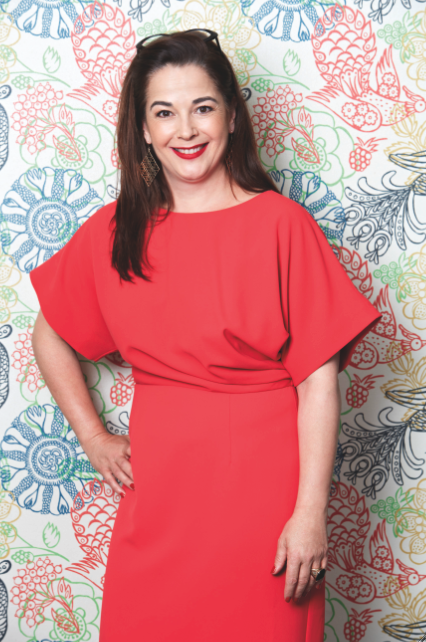
BW Passionate, caring and extremely open about what it takes to keep a travel magazine growing and sincerely true to its mission and brand; Greg Sullivan – Co-Founder and CEO, Afar Media – talks about the wild and challenging ride of Afar Magazine over the last five years and how “far” (pun intended) they’ve come.

From the ink on paper magazine to the nonprofit foundation, Learning AFAR, which provides scholarships to lower-income high school students to go on life changing trips and another division, AFAR Experiences, that puts on travel events; the man and his mission stays focused on what’s important to himself and his vision: making travel make a positive difference in people’s lives.

No matter where you’d like to go in your mind’s eye, the Mr. Magazine™ interview with Greg Sullivan should be able to take you there – so pull up your favorite chair, grab your drink of choice and get ready to go Afar as you enjoy Mr. Magazine™ and Greg Sullivan’s animated and passionate conversation…

But first the sound-bites:

On the five year journey of Afar Magazine: Well, it has been a wild ride. It’s been fun and it’s definitely been challenging. In particular, those first couple of years were tough.

On his most pleasant surprise over the last five years: There have been a couple of pleasant surprises. One was the receptivity that Afar had, just in general. There was certainly some degree of skepticism, but there was also a lot of wow, this is great, how can I help and we love not only the fact that you’re doing it, but we love what you’re doing.

On his biggest stumbling block: The biggest stumbling block was just breaking through the whole credibility thing.

On whether having no magazine experience was an advantage or a disadvantage to him: Both. If I’d had the experience, in my opinion, I probably wouldn’t have done it.

On how the non-profit Foundation and the program Learning AFAR is going: We’ve sent over 300 students, basically we’ve been sending 50 or 60 kids every summer from all over to places like Peru, Cambodia, China and Mexico; just amazing trips and these kids are coming back and they have you in tears as they tell you about the effects these trips have on them.

On the advice he would give to someone starting a new magazine today: Well, it’s not for the faint of heart. First of all, it takes cash. And it takes a lot of work.

On what role he believes print plays in today’s digital world: Print is coming back. Three years ago, people didn’t even like to talk about print and now you’re seeing more and more people going to print again.

On what keeps him up at night: What I think about in the middle of the night is execution issues; how are we delivering on all of our promises every day.

And now the lightly edited transcript of the Mr. Magazine™ conversation with Greg Sullivan, Co-Founder and CEO, Afar Media…

Samir Husni: Afar is still going strong after five years; tell me about this five year journey from that launch party where I first met you in August 2009, when you were just beginning a magazine during one of the worst economic times in the industry, until today.

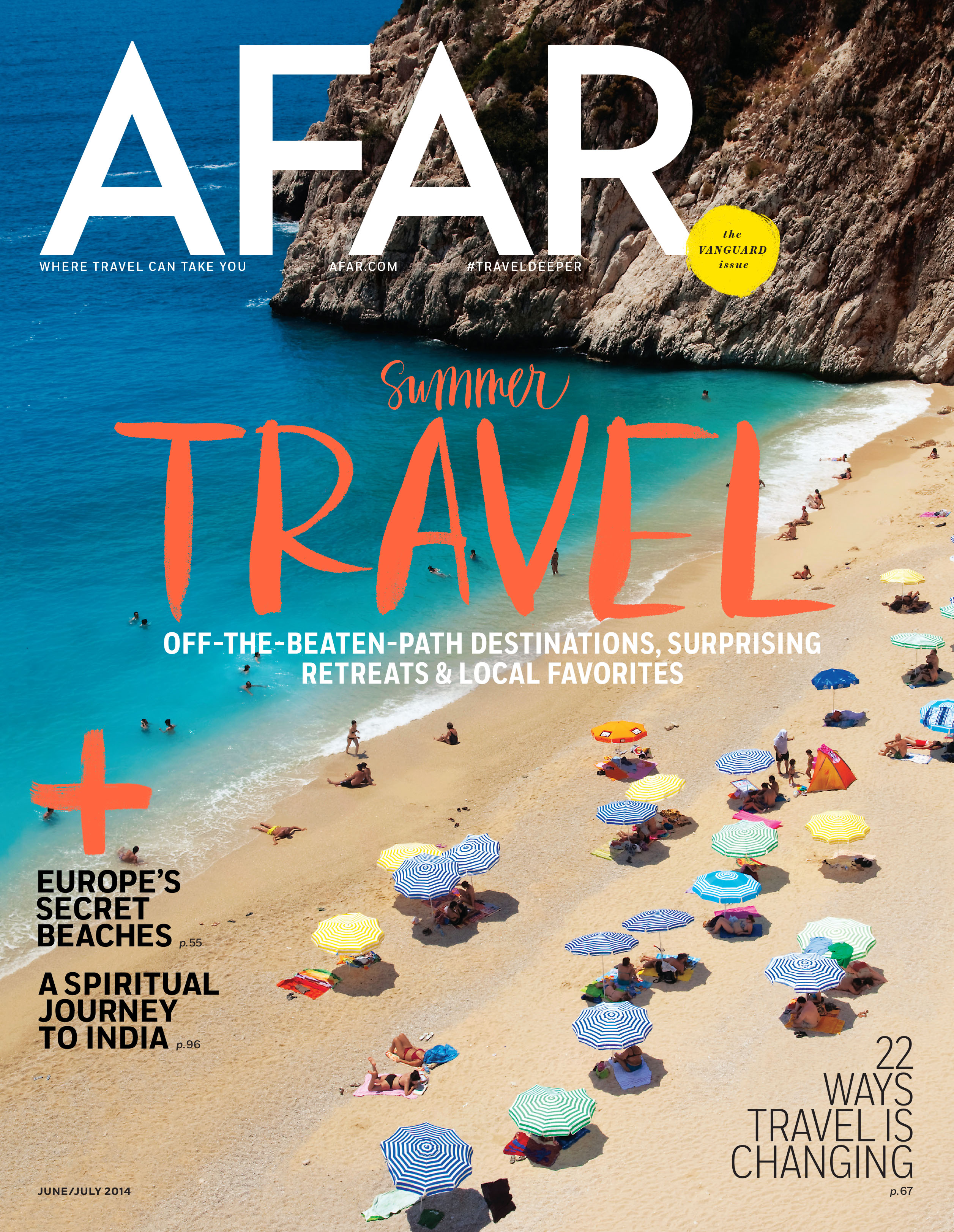
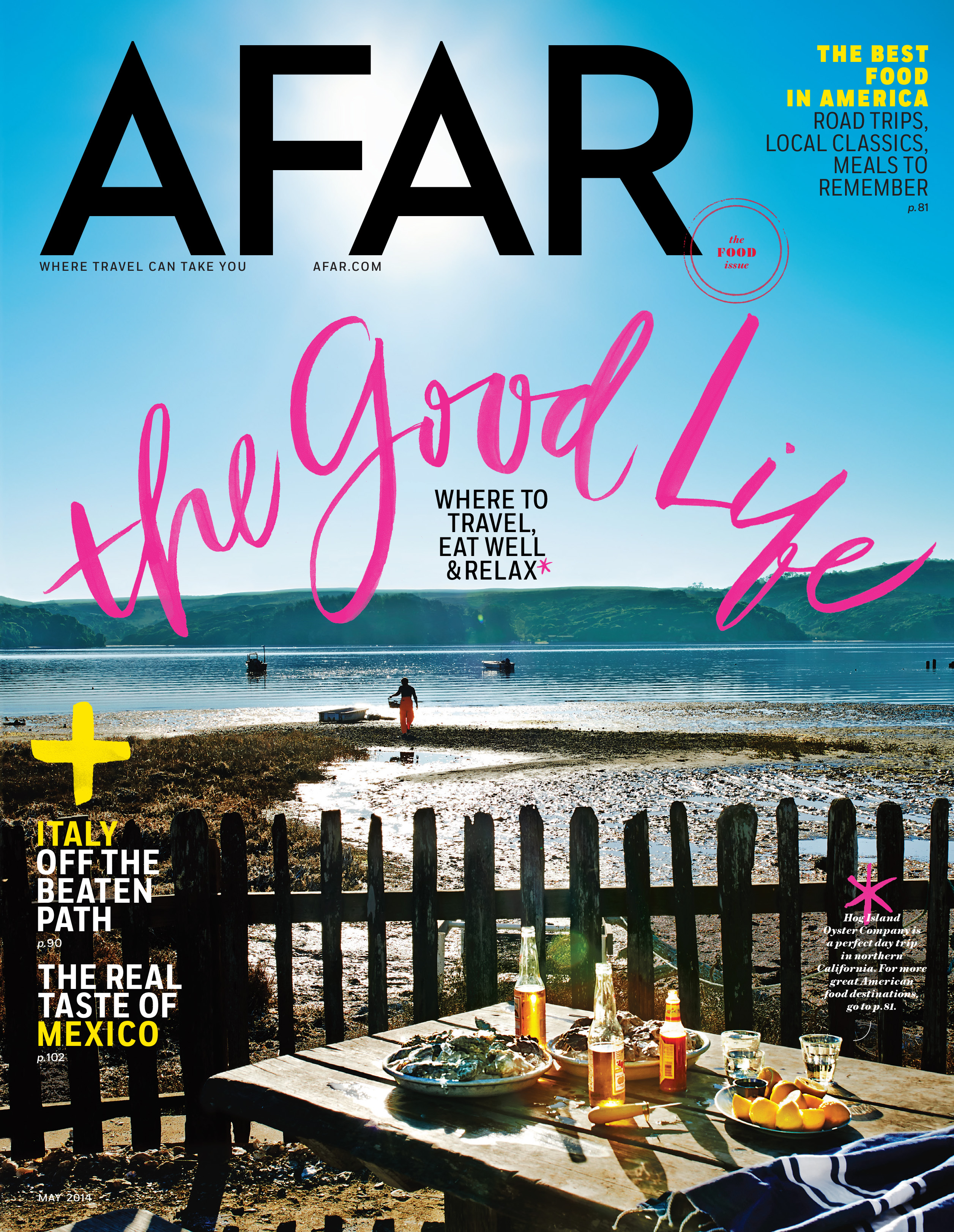
AFE0614_COVER_RGB Greg Sullivan: Well, it has been a wild ride. It’s been fun and it’s definitely been challenging. In particular, those first couple of years were tough. You know, even in the best of times, it’s tough for magazines to break out from the crowd and make it economically. But during that time I think it was especially challenging with lots of doubting about print and magazines.

Yet, we’re making money this year. Our circulation has gone up fivefold, and I can’t even tell you just how much our revenue has increased, but yes, it’s been a very gratifying and exciting ride and I’m really pleased.

Samir Husni: What has been the most pleasant surprise during this five year journey?

Greg Sullivan: There have been a couple of pleasant surprises. One was the receptivity that Afar had, just in general. There was certainly some degree of skepticism, but there was also a lot of wow, this is great, how can I help and we love not only the fact that you’re doing it, but we love what you’re doing.

It was a little about what the magazine was doing, of course and that’s the fact that we try and help people have deeper, richer, more authentic travel experiences and it comes through a little that the passion we have is real and people have really rallied to that and said that they love it and want to participate in it. Readers, advertisers and industry people have all been jumping on and have been very supportive and that’s been the most gratifying thing.

Samir Husni: What has been the biggest stumbling block that you’ve had to overcome?

Greg Sullivan: The biggest stumbling block was just breaking through the whole credibility thing. You know it’s back to the question: are you going to make it, or are you just this oddity and are you going to be a real and successful business?

And like I said, even in the best of times, lots of magazines failed. In this environment, people were asking were we really going to make it; so it was getting by those questions of whether we were going to make it or not, I would say, was probably the biggest hurdle.

Samir Husni: I remember at that launch party five years ago and it was almost a consensus that people were giving you six months, maybe three to six issues and you would be out of business. Having said that; you came to this industry with no magazine background, was that an advantage or a disadvantage to you?

Greg Sullivan: Both. If I’d had the experience, in my opinion, I probably wouldn’t have done it. We brought freshness and a competence with a we-can-do-this attitude that showed an outsider’s point of view really helped. But yet, there’s a lot of reality to everyday business and of course we brought in a lot of pros to help us, from our editor to our publisher, people who have a lot of experience and that made up for the lack of experience on my part with their great industry connections and knowledge.

Samir Husni: Did you expect to spend as much money as you did? I remember, and please correct me if I’m mistaken, but I remember you told me that you budgeted something like $20 million to spend on this; is the $20 million gone?

Greg Sullivan: That’s about right. But we’re still in good shape.

Samir Husni: And now five years later, you’ve been in the news again in the last month or so about native advertising and the deals that you’ve made with naming the hotels; do you think that will impact in any way the credibility that you’ve established over this last five years with the magazine?

Greg Sullivan: No, we won’t let it. What we’re doing in the hotels category is we’re recommending great hotels, some of which pay for support. You don’t put this kind of money or this kind of investment without always being very true to the brand. You’re not going to do things just for short-term profit and that’s always been our approach and so we’re not going to do anything that’s going to confuse people in terms of what we’re about and we’re not going to put our name somewhere that we think is going to not be appropriate. So I’m not at all worried about that.

Samir Husni: And you were on a mission; I remember the first time I met you, you were telling me the experiential aspect of travel, where you decide one day to buy a ticket for Buenos Aires, hire a cab once there and have it take you to some hotel without any planning; has experiential travel evolved at all and are you still going on those wild trips or are you planning a bit more?

AF0514_Cover_CMYK-1 Greg Sullivan: Well, even then I told you there are a lot of different ways to do experiential travel. I would do them on trips and I would also do them on what I call deep dives where I would go somewhere and I would study or take art classes; I actually studied philosophy at Cambridge and I took eco trips in Borneo and we took spontaneous trips.

So there’s various ways to get beneath the surface and try to experience the distinctive parts of a place and I guess that I’m still doing that; however I don’t do it as much or for as long before I started the business.

You know fortunately and unfortunately the business has caused a lot of attention for me, but I’m also able to do deep dives so much easier. We have connections all over the world now and Afar gets me through doors that before I couldn’t even get beneath the surface of so quickly by just saying, “Hey, I’m Greg from Afar.”

And I guess the thing to me is experiential travel has become more and more of a thing. When we were first talking about it the consensus was, isn’t that just for backpackers, and now it has just become more and more accepted and part of the vernacular.

When we launched, hotels said we don’t want to talk about what’s going on outside our four walls and now they’re widely accepting of being a part of the local community and helping people have experiences outside of their properties.

And by the way, that goes for all kinds of businesses, not just hotels. Car companies are talking about experiences, so it has become much more of the mainstream in some sense.

Samir Husni: For you, it seems as though you’ve been on a mission, not just to publish a magazine. You had the Foundation idea, where you wanted to take high school kids overseas who had never gone; how has that multiple mission worked?

Greg Sullivan: When we started the magazine in 2009, at the same time we started our non-profit. It’s all the same heart; it’s about travel that makes a difference in people’s lives and that’s what we believe in. And if you really believe in that, you want to get younger people or people who would never be able to afford traveling and take them and you know it will change their lives and their communities.

And we’ve sent over 300 students, basically we’ve been sending 50 or 60 kids every summer from all over to places like Peru, Cambodia, China and Mexico; just amazing trips and these kids are coming back and they have you in tears as they tell you about the effects these trips have on them. And that program is really beginning to take off too as we’re beginning to grow and get our message out.

We just received a donation last week, our biggest donation yet, over $400,000, toward Learning Afar, which will be for another 40 kids. And what we want to do now is not only talk to the students who are making the trip, we’re going to try and start spreading that message by doing assemblies in the schools and getting everybody there to start thinking about travel, even if they don’t get to make these trips. Expanding their horizons and their perspective will broaden the possibilities in their lives.

Samir Husni: I can hear in your voice that sense of satisfaction; do you feel that now you’re on the right track and ten years from now you and I will be talking about the fifteenth anniversary of Afar and the Foundation and the success of the trips?

Greg Sullivan: Absolutely. And you’re right; I do have a passion and a determination in my voice that’s probably the same tone you heard five years ago. What you hear a little bit different now is confidence, a little bit more experience. We’ve reached profitability and we’re on this great path. This is like the 4th business I’ve started and this one is definitely the one I have the most passion for and hopefully it will be the last one I start.

And it’s interesting being an entrepreneur. I always talk to people about having a vision and you also have the reality and keeping those two in sync is always interesting and it can be difficult. Some people are very good at vision and some at reality and it’s hard to find people who can do both and keep them in sync. And that was really hard five years ago.

But today the reality is so much closer to the vision that we have, it’s easier and more and more people get it and it’s more and more believable.

Samir Husni: With the five years of experience in your back pocket and the other three businesses that you’ve started; what advice would you give to a young entrepreneur who came to you with an idea for a new magazine?

Greg Sullivan: Well, it’s not for the faint of heart. First of all, it takes cash. And it takes a lot of work. You need to have both of those and you need to bring in some people to help you. I’ve been very fortunate to attract an amazing team that has really helped to make this all happen.

But I totally believe it’s a great way; I would not have wanted to try and build our company as an all-digital company. I don’t think we would be here today.

It takes a much bigger investment than just trying to start being a blogger on the web or something. Just don’t underestimate the financial and time commitment that it’s going to take would be my best advice.

Samir Husni: One of the points that you mentioned, and I remember when I first met you five years ago, you were focusing on print first, then the web, but you just said you don’t believe you would have been as big of a success as an all-digital entity. What role do you think print still plays today in this digital age?

Greg Sullivan: Print is coming back. Three years ago, people didn’t even like to talk about print and now you’re seeing more and more people going to print again. And they just see the value and the break out from the clutter. It’s also a tactile and a permanent thing. It has credibility and it’s deeper; it just has so many attributes to it that the digital world lacks.

In reach, we’re bigger digitally than we are in print, but that would have never happened without our print component.

Samir Husni: Are you making more money from digital now than print?

Greg Sullivan: The revenues are not bigger, it’s probably a little bit more profitable, but they’re both profitable.

Samir Husni: Can you imagine Afar existing without the print edition?

Greg Sullivan: No.

Samir Husni: And feel free not to answer this question, but have you gotten any money back from your $20 million yet?

Greg Sullivan: Yes.

Samir Husni: And when do you think you’ll break even or recoup that money?

Greg Sullivan: That’s harder to say. That depends so much on what else we get into. You can tell by our approach, we’re introducing new things all the time. There are always new opportunities, so that’s hard to say.

Samir Husni: My typical last question; what keeps you up at night?

Greg Sullivan: I go back to the vision and the execution thing. What I think about in the middle of the night is execution issues; how are we delivering on all of our promises every day. Which I shouldn’t be worrying about, but that’s a part of me that is a reality. It’s like each of our things are always trying to get executed and I wake up once in a while and ask myself, “Wow! Is that program really delivering what I want it to?”

Maybe not a classic answer, but that’s the honest truth.

Samir Husni: Thank you.
© Samir “Mr. Magazine™” Husni, Ph.D., All Rights Reserved.
__________________________________________________________________________________________________________________________
Rights to excerpts and links to the blog are hereby permitted with proper credit. Copying the entire blog is NOT permitted and is a violation of the copyright laws.

h1

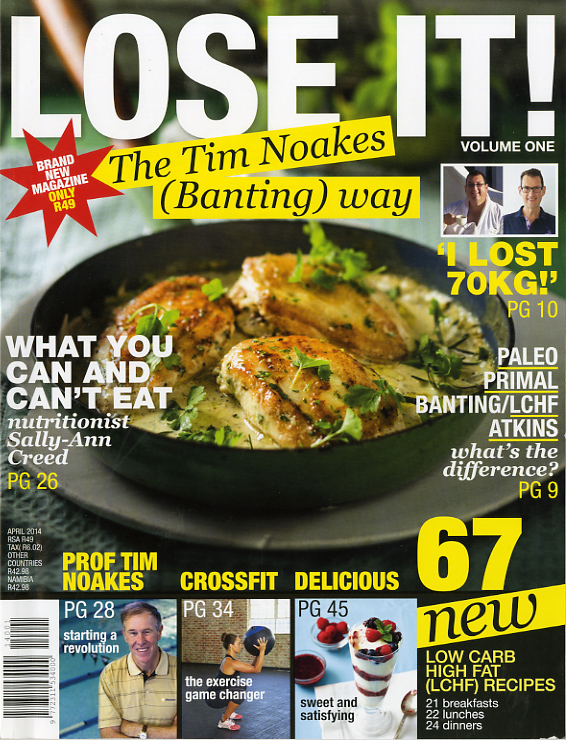
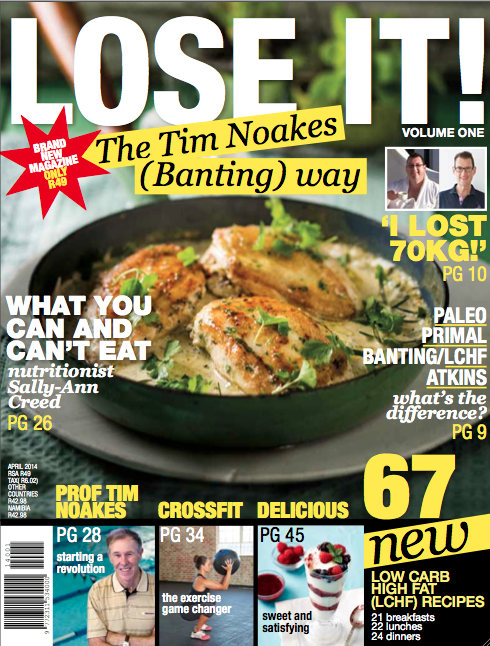
A Launch Story: Lose It! A New South African Magazine Promoting A High-Fat Low-Carb Diet…

May 7, 2014

People May Wonder If South Africa’s Suzy Brokensha is “Losing It” With The Launch Of A New Magazine Promoting A High-Fat Diet – But The Editor-In-Chief Of Fairlady Magazine Is Quick To Tell You That’s Just Not True – The Mr. Magazine™ Interview With Suzy Brokensha…

Screen shot 2014-05-07 at 11.16.07 AM Cape Town, South Africa: Controversial doesn’t even begin to describe it, low-carb and high-fat; two terms that most nutritionists and doctors have heart palpitations over when they hear them. But the Editor-in-Chief of South Africa’s Fairlady magazine, Suzy Brokensha, isn’t sweating it. She believes in the concept and in the new magazine: Lose It! 100 percent.

The new ink on paper product is inspired by Professor Tim Noakes and his reversal of his former doctrine of a high carb diet. Once a promoter of this type of eating routine with his book “Lore of Running” Noakes backtracked a few years ago when late onset diabetes took the lives of his father and uncle. His change in view has brought him both kudos and lividness from South Africans and people everywhere.

But Suzy Brokensha – Editor-In-Chief of the new magazine – is behind him all the way. She knows first-hand due to her own family’s experience with late onset diabetes that sometimes the most logical of ways doesn’t always work and blazing new trails with a print magazine that provides cutting edge evidence of unfamiliar horizons may be the only right answer.

I spoke with Suzy on a recent trip to Cape Town, South Africa and her beliefs and convictions about this magazine and as she calls it: this movement, are evident in our conversation.

So get ready to hear some things your cardiologist may not want you exposed to as you read the Mr. Magazine™ conversation with Suzy Brokensha about the new print magazine – Lose It!…

But first the sound-bites…

On the concept of the new magazine: The new magazine is based on the Banting Diet, or a low-carb, high-fat diet that is not new at all.

On why she decided to launch Lose It! in the first place: I became interested in it about four years ago because my dad was also a late onset diabetic and because he died in the end of diabetic complications. And I know diabetes is a huge issue in South Africa and my brother is also a pre-diabetic and I didn’t want it happening to me.

On the initial reaction from the marketplace: It’s only been on street now for about a month and the initial reaction was incredibly positive.

On the uniqueness of the magazine and the diet itself: So I think what appeals to men is that performance aspect of it. You don’t feel deprived, in fact, you feel very satisfied and it’s a very satiating diet.

Screen shot 2014-05-07 at 11.02.12 AM On the need for print versus a digital entity: I think this is a magazine that explains the differences and the route that we’ve taken. And it’s very direct and it’s very directional. And it tells you exactly what to do. Whereas if you went online, you might find different, little snippets of information from a whole lot of different sites, but it wouldn’t be as directional as the magazine.

On what keeps her up at night: What am I worried about? I’m not worried at all about this magazine. There is absolutely nothing that worries me about it. I think that we’re lucky in that we struck at the right time.

And now the lightly edited transcript of the Mr. Magazine™ interview with Suzy Brokensha – Editor-in-Chief of Lose It! magazine…

Samir Husni: You recently launched a new magazine – Lose It! – can you talk a little bit about the concept of this magazine?

Suzy Brokensha: The new magazine is based on the Banting Diet, or a low-carb, high-fat diet that is not new at all. The first person to talk about the diet was probably Atkins, maybe forty or fifty years ago, when the idea for the Atkins Diet first came into being.

And since then it has been written about extensively by Gary Taubes in the States, in particular. He’s the most famous. He wrote a book called “Why We Get Fat” and it’s all about the Banting Diet.

The first incidence of the diet was around 1812 when a British doctor advised his client to go on the diet and he lost a huge amount of weight. He was a very wealthy guy and he published a little book about the diet which is still circulating today and is quite fabulous. It’s beautifully written actually.

Anyway, it’s been around for a long time, but what happened was in the 70s the whole way that we eat changed. And it basically coincided with the food pyramid in the States which had all the carbohydrates at the bottom and right at the top, a few fats and oils, vegetables and fruits. And that diet and that way of eating have been recommended for years.

The history is that what happened in America in the 70s was that there was a problem with corn growers and they weren’t making money and actually that pyramid was deliberately designed, not by nutritionists, but in order to boost the sales of the corn growers in Middle America, which it completely did.

And what it did also was create a market for corn starch which is the most lethal substance known to man. And American food, in particular, is full of corn starch. It’s incredibly fattening, with no nutritious value at all. And it’s highly addictive.

So all this diet is really is looking at all of the 70s and looking at the way people ate then with more real food and less pre-packaged food, where the idea of low-fat didn’t exist. Because when they take fat out of a product, to make it appetizing, they have to add sugar. And even if it’s artificial sugar, that’s what they do and none of that is good for you.

If you look at the amount of sugar, for example, that we eat now in the Western diet, compared to the amount of sugar Westerners ate 80 years ago, it increases unbelievably. And it’s not only in the diet drinks; it’s specifically in the low-fat foods. And that’s the issue.

Samir Husni: So why, after all these years, did you decide to launch Lose It! magazine now?

Suzy Brokensha: Well, what’s really interesting is South African Professor Tim Noakes who has become very famous internationally because of this book; he was always a marathon runner. He himself has run about a 150 marathons, he’s very fit, started the Sports Science Institute in South Africa and he wrote a book about 15 or 20 years ago called “The Lore of Running.” It was all about how a high carbohydrate diet was essential in order to run or to be an athlete and to be healthy.

And his father was a late onset diabetic and he became a late onset diabetic and he started noticing in himself that he couldn’t run anymore and he was getting fatter despite the fact that he was eating sort of militantly healthily according to his own doctrine. And he started questioning what was going on. And he kept on trying to exercise more and he tried to eat more carbohydrates and less fat, but nothing worked. And he saw himself going exactly the same way as his father had gone.

And when he started questioning it, he realized that he was wrong. And he had the courage to, about three or four years ago, to come out and say that he was wrong and that he wished he’d never written that book. It was wrong. Every bit of advice I gave about carbohydrates in that book was wrong. And in South Africa there was a massive backlash against him. Everyone was livid that this guy who they had revered for so long could reverse his decision. I thought it was excellent science. I thought with all the evidence to the contrary, it’s a great scientist who can reverse his decision and say that he was wrong.

I became interested in it about four years ago because my dad was also a late onset diabetic and because he died in the end of diabetic complications. And I know diabetes is a huge issue in South Africa and my brother is also a pre-diabetic and I didn’t want it happening to me.

So I started reading what he was saying and I went to all the talks that he was giving and I tried to get as much information as I could. And I thought he really is changing the way that people think about food in this country. And I started looking at the response when he wrote the book “The Real Meal Revolution” and it sold 200,000 copies in South Africa which is really the biggest selling book we’ve ever had in this country. And I thought there is a market for a magazine like that. The book was mainly a recipe book and there is so much information to get across about this diet that I thought it was ripe for a magazine.

I sat next to him at the launch of his book and I said to him what you need is a magazine and he said perfect. And he said we need to get the information out there, so I knew that we had his interest. And that’s what we did. We started the magazine.

Samir Husni: And what was the initial reaction from the marketplace?

Suzy Brokensha: It’s only been on street now for about a month and the initial reaction was incredibly positive. I think that I’ve seen two detractors on Twitter who were saying it’s absolute nonsense, it’s unhealthy, how could you recommend a high-fat diet in a country like South Africa, isn’t that irresponsible when obesity is such a huge problem.

But the point is that it makes people lose weight. And that diabetes is a massive issue in South Africa and it actually stops late onset diabetes, diabetes Type II. Most people go off their medication when they’re on this diet.

The biggest criticism comes from cardiologists or people who say it’s bad for your heart. And increasingly, as you know from Dr. Oz, you’ll know that cardiologists are reviewing that decision that they made all those years ago, that fat or cholesterol is the cause of heart disease. But they are seriously reviewing it now. I see it as the beginning of a movement, a revolution. And I believe in it.

Samir Husni: So do you feel you are a leader in the movement?

Suzy Brokensha: I do. I feel like I’m a leader, because there hasn’t been a magazine like this. There is a Paleo Magazine, I think; I’m not sure where it’s published, probably in the States. But it’s a different diet. I just don’t think there’s anything like it in South Africa.

And I know that it’s hugely influential because sports people are increasingly using it, because it improves their performance.

Samir Husni: After looking at the magazine, you are reaching a dual audience. You are going after, men, women and children. Most diet magazines are aimed at women; it’s rare to see a diet magazine aimed at men. What’s the uniqueness of Lose It!?

Suzy Brokensha: What I think is interesting is that it’s your performance that improves, your performance in life improves, your brain functions better, you can run farther, and you can run faster. If you look at those statistics about people who are on this diet and Professor Tim Noakes is tracking some of those people, the athletes and their performance since they started eating this way; it’s absolutely incredible. Someone I read about recently knocked 21 minutes off their marathon. And that’s really huge.

So I think what appeals to men is that performance aspect of it. You don’t feel deprived, in fact, you feel very satisfied and it’s a very satiating diet. Because of the fat, because the fat, the fix and the hormones that tell you that you are full. And that’s actually always been the problem with low-fat diets; you never feel full because you constantly feel dissatisfied because those hormones are not activated.

But the person eating a high-fat diet, those hormones are activated, so they don’t feel deprived and they perform better. And they sleep better and that fact appeals to men, I think and that whole idea that they’re functioning as a bit of a machine. And women like it because they lose weight.

Samir Husni: And why did you feel the need for a print magazine instead of just going to the website and finding all that information?

Suzy Brokensha: I think it’s about curating. So we have got several different experts speaking in this magazine and they will appear in all the magazines. And it’s about a different aspect every time. We work together to curate the best content possible for this.

So you could find little bits, but everybody that I have spoken to as well has asked: what is the actual difference between Paleo, Atkins and Banting? What are the actual differences between multitudes of diets? And I think this is a magazine that explains the differences and the route that we’ve taken. And it’s very direct and it’s very directional. And it tells you exactly what to do. Whereas if you went online, you might find different, little snippets of information from a whole lot of different sites, but it wouldn’t be as directional as the magazine. It’s a blueprint, not just a magazine. And I don’t think we could have done that just online and achieve the same thing.

Samir Husni: Do you think it’s a trend or a fad?

Suzy Brokensha: I don’t think it’s either. I think it’s a return to the truth of how we should eat. Because I think a trend also implies that it will have an end; I think this is a rediscovery of the way that we should eat. I also think it will last forever and have a massive impact on the way people will live their lives.

Samir Husni: And I have to ask you; do you follow the diet?

Suzy Brokensha: I do. But my weakness, and it’s interesting as to what your weakness is, some people battle an issue with carbs, I don’t do battle with carbs at all. I’m not eating bread or pasta, that doesn’t bother me. Potatoes? I wouldn’t care if I saw any of that again in my life.

My weakness is chocolate and wine. It’s those two things. And you can have both sparingly, but it’s the sparingly that presents the problem.

Samir Husni: My typical last question; what keeps you up at night?

Suzy Brokensha: What am I worried about? I’m not worried at all about this magazine. There is absolutely nothing that worries me about it. I think that we’re lucky in that we struck at the right time. I think that there are going to be followers and imitators. My main concern is when we were thinking about it was to get it out first. I wanted to be first and to put it out with the authority of the people we have contributing to the magazine. And I think we have achieved that and I’m sure there will be imitators, but because we were first and because we have that staff of authority; we will stay the distance.

Samir Husni: Thank you.
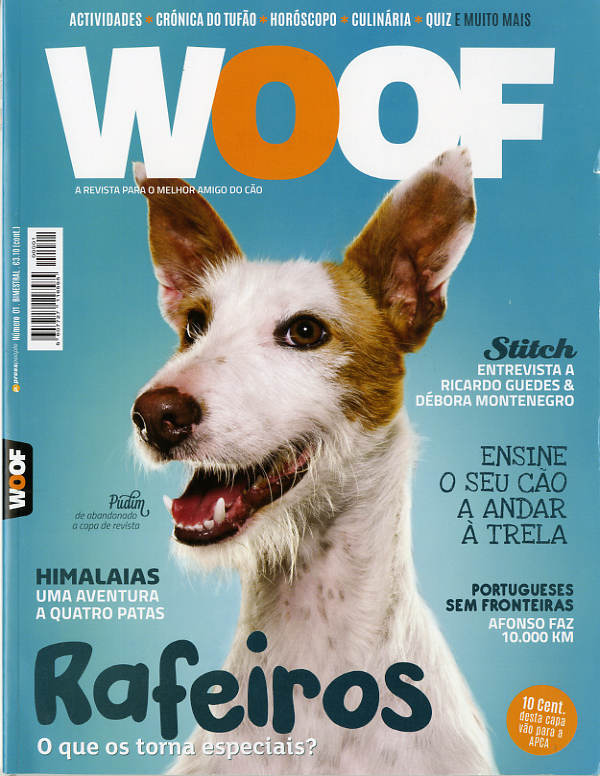
© Samir “Mr. Magazine™” Husni, 2014. All Rights Reserved.
Truth in Reporting: Lose It! magazine is published by Media 24 in South Africa, a media company that I consult for. I had no role in the launch of Lose It!.

h1

Covering Every “Stitch” Of The Crafting Community And Every “Thread” Possible; Stampington & Company Isn’t Slowing Down When It Comes To Launching New Magazines In Print…The Mr. Magazine™ Interview With Christen Olivarez – Editor-In-Chief & Director Of Publishing – Stampington & Company…

May 2, 2014

“It sounds silly that we have a magazine about aprons, but it’s still doing extremely well. And people who love aprons love aprons. That’s what we’re finding.”… Christen Olivarez.

Christen Olivarez When it comes to the art of crafting, no one does it better than Stampington & Company. Not only do they publish the largest number of crafting and arts magazines in the industry; the magazine media company recognizes the value and the target points of niche marketing as well.

With seemingly endless additions to their repertoire, Christen Olivarez, Editor-In-Chief and Director of Publishing, talks with Mr. Magazine™ about the company’s desire to fulfill every want their readers might have by offering up a multitude of variety and discernible selection when it comes to the titles available under their banner.

And in the words of the inimitable Carly Simon, “Nobody Does It Better.” From crafts to cooking to business to aprons – yes, I said aprons, Stampington & Company is proving that niche is where it’s at when it comes to launching new magazines.

So grab your favorite pastime and bring it along as you read the Mr. Magazine™ interview with Christen Olivarez – because there’s a good chance she has a magazine just for you…

But first the sound-bites…

On why she believes there is still room for more crafting magazines:
What we’re noticing is that the entire craft movement and even just a move back to domesticity with cooking and things like that are becoming more and more popular especially thanks to the rise of Pinterest as a website.

On whether or not she believes print is the right platform for all their new launches:
Right now we’re solely focusing on the print product and any of our new publications; upon first printing is always a print magazine.

On all the specialized titles and whether they’re still reaching the same audience: I think what we’re trying to do is that we’re finding that a lot of our loyal readers and some of our new readers have so many interests that we’re trying to cater to all them.

On the major stumbling block they’ve faced:
Our biggest thing is just trying to keep everything fresh so that people feel drawn to pick up the magazine when they could just as easily find something on the computer to make.

On her most pleasant surprise:
That people still get so excited about our new launches.

On her favorite title out of the 32 they have: That’s just so hard. I’ve been with the company for almost seven years and I’ve been in charge for a little over three years now. I have to say right now that Willow and Sage has taken me completely by surprise, I can’t believe how much I’ve grown to love it.

On what keeps her up at night:
For me, it’s all the ideas we have and how we’re going to put them into place and where we’re going to put them.

And now the lightly edited transcript of the Mr. Magazine™ interview with Christen Olivarez – Editor-In-Chief and Director of Publishing – Stampington & Company…


1WIL-1401 Samir Husni: Over the last few years, you’ve been bringing a lot of new titles into the fold. So why do you think there is still room for more craft, business and cooking magazines, the style that you do, on the market? Why did you think that today was a good time to launch yet another one with Willow and Sage?

Christen Olivarez: What we’re noticing is that the entire craft movement and even just a move back to domesticity with cooking and things like that are becoming more and more popular especially thanks to the rise of Pinterest as a website. More people are getting involved in arts and crafts; it’s becoming a more mainstream type of hobby versus just a few select women doing it at home. As well as a lot of people are realizing that they can make this into that and so we’re able to launch a magazine based on having creative businesses.

So we really just watched the industry as a whole and saw what seemed to be emerging as a trend and a lot of our readers were at the forefront of setting those trends. So that’s what really determines how we’re going to launch a magazine. We don’t have big focus groups or anything like that; if we feel like something needs a magazine, then we’ll go ahead and launch it because we’re a very small company so we can turn things around really quickly.

And we’re noticing a huge rise in people making bath and body products, especially to give as gifts. So we thought sure, there’s stuff available online but let’s put it all together in a nice book and have it as a magazine twice a year so that people can learn a bunch of different things about handmade bath and body products. The market really drove the need to launch it, so how could we not do it. It’s also a dream that our publisher, Kellene Giloff, had had for a long time.

Once the market seemed right for it, we went headfirst and we’re just thrilled at how it came out.

Samir Husni: Are you still a firm believer that print is the right platform for all these publications or do you think you’ll be moving more in the direction of merging print with digital?

Christen Olivarez: Right now we’re solely focusing on the print product and any of our new publications; upon first printing is always a print magazine. Once we’ve sold out a title, because we do not do reprints of anything, we will then go ahead and issue it as a digital magazine, but no new content right now. Our model is we will not produce anything new that will be solely a digital platform.

We just think that there is still a good market for print. It may be a little bit smaller now, but the people we cater to really like the feel of a print magazine. So we’re still continuing to invest money and all of our resources with our great paper and everything like that to produce a quality magazine that customers feel like investing in, so for now digital only after we have sold issues out.
Samir Husni: Your titles are becoming more and more specialized: Digital Inspiration, Willow and Sage, Where Women Create Business, Where Women Create; are you still reaching to the same audience or are you trying to slice and dice the market?

APR-200x200 Christen Olivarez: I think what we’re trying to do is that we’re finding that a lot of our loyal readers and some of our new readers have so many interests that we’re trying to cater to all them. There’s just so much available out there, especially in the crafts realm, people like sewing, so of course we want to have sewing magazines. People like making jewelry, so we want to have jewelry magazines for them.

So we just see a big wide world and that’s why we’re able to create these almost niche of a niche magazines for people. And they seem to really like them. It sounds silly that we have a magazine about aprons, but it’s still doing extremely well. And people who love aprons love aprons. That’s what we’re finding.

So we’re not trying to split people up, we’re just realizing that people have many interests. And so we have a jewelry artist who also wants to find out about launching her own business. Maybe she also likes sewing on the side, so we’re just trying to offer something for everyone.

Samir Husni: What has been the major stumbling block that you’ve faced in the process of launching all these magazines?

Christen Olivarez: I think there’s so much available online. So we’re trying our hardest, especially with craft blogs and Pinterest, there’s just so much on the web and so we’re always trying to find things that are not available there so that people feel compelled to pick up the magazine and they’re not just getting something that they’ve already seen on the Internet.

Our biggest thing is just trying to keep everything fresh so that people feel drawn to pick up the magazine when they could just as easily find something on the computer to make. That’s our greatest struggle.

Samir Husni: And what has been the most pleasant surprise?

Christen Olivarez: That people still get so excited about our new launches. We actually have another one coming out in August that we’re working on and people are still so excited to see what we’re going to do next. And we’ve been around for 20 years and of course readers move on but we still have the same base of readers and they’re still picking everything up and that’s great to see that we’ve built such a loyal base that they can’t wait to see what specialty pub we’ll make the next time. Just to see what tiny little area of crafting that we’ll decide to explore.

Samir Husni: You mentioned that the market may have shrunk a little bit for print, but as a publishing director; do you still think this is a good business and will it continue to be a good business?

Christen Olivarez: I think so as long as people follow smart business models. I think when people try to undersell their magazines and sell them at such a low rate of subscription that’s really hard. And I think that we’re really smart in the way that we handle our business model in that we still keep the high cover price that’s going to keep us in business. If we offered a two-year subscription for $2 we would have been out of business a long time ago.

Staying true to the product is important. We’ve seen some other magazines, not our own, over the years that the quality of the material they use just keeps getting lesser and lesser and it becomes thinner and thinner. And we haven’t changed paper, we’re still buying the same paper and we’re still keeping our page counts higher than ever. So you really just have to stay true to your product.

Also not having to have these huge print counts and just trying to stay small helps us, we’re not trying to be the next huge magazine, we’re just trying to develop a good product that people want.

Samir Husni: You have 32 titles now. If someone asked you which one is your favorite baby, what do you say?

Christen Olivarez: That’s just so hard. I’ve been with the company for almost seven years and I’ve been in charge for a little over three years now. I have to say right now that Willow and Sage has taken me completely by surprise, I can’t believe how much I’ve grown to love it. I think it’s because we got involved with creating a lot of the content ourselves because people weren’t sure of what we wanted when we were seeking submissions from people.

And I feel like when you launch a new magazine it’s so important to set the right tone for the first issue so people will know what to expect and if they want to take part in it and they know what you’re looking for. And we worked so hard on Willow and Sage and I was just so surprised at how much I fell in love with the content and just coming up with the product and the design. It’s really taken over for me.

And then our next launch is actually called Bella Grace and it’s our first time going into the women’s interest section. And it’s not a craft magazine this time. And this is another one that has taken me completely by surprise because I am a crafter at heart and I usually like the craft-related magazines. But these two new launches have completely taken over for me because it’s new and it’s a challenge.

Samir Husni: Tell me a little bit about Bella Grace?

Christen Olivarez: It will launch in August. And it will be in the women’s interest section, which is completely new for us and a little scary, but it’s coming together really beautifully.

Samir Husni: And what about Digital Inspiration, which you launched last month?

BDI-200x200 Christen Olivarez: Digital Inspiration was fun for us because it was our first Bookazine. We launched it in a larger format with a bigger dimension and what we did was we published so much incredible digital artwork in our other magazine, Somerset Digital Studio, we thought we’d go through and pick our favorite pieces and our best of and go ahead and put it together in a newly designed magazine and hopefully entice people who maybe haven’t seen Somerset Digital Studio to pick up Digital Inspiration and see the artwork coming from that magazine and maybe they’ll pick up the other one as well, because they are in two different areas of the newsstands. Somerset Digital Studio often winds up in the crafting section and our hope was that Digital Inspiration would be in the graphic design section to hopefully entice readers to pick up both titles.

So that one was really fun just learning the new format of working with the larger dimensions. We had to work with a different printing press this time and the different dimensions were challenging and fun and it’s been really well received, which is great.

Samir Husni: So, if someone comes to you today and says, you’re an expert, you’ve been doing this for years and you’ve established a print-driven customer-based business model, high cover price and subscription; I have an idea for a magazine. What advice do you have for them?

Christen Olivarez: I would first make sure that they have a really concrete idea of what they want. We’ve had people come to us before who’ve said I have an idea for a magazine and it’s “this.” And I’ll ask, what visuals will you have to go with it and what kind of contributors? And a lot of times people won’t fully think it out. So there are great ideas, but you have to see how logical they are and make sure there will be a market for it as well.

So I would just say to plan everything. There are a lot of people putting great magazines together, but it’s a lot more work than people realize. They have to make sure they have a great marketing plan too; how are they going to get it to people? It’s not always as easy as it seems. And it might seem easy because there are so many digital magazines out there too.

I would just say you really have to think it through. Will you have advertising, what kind of contributors will you have? You just have to consider every facet of it.

Samir Husni: My typical last question; what keeps you up at night?

Christen Olivarez: For me, it’s all the ideas we have and how we’re going to put them into place and where we’re going to put them. We just have so many ideas and the office is full of people just going back and forth saying, what if we tried this in this magazine or why don’t we try doing this.

I stay up because I get excited and think how in the world are we ever going to do all the things we want to, especially working in a small company. We sometimes have our hands tied with how much we can do with the staff that we have.

And that’s what keeps me up at night…the excitement and how to carry out all our ideas.

Samir Husni: Thank you.
h1

Just Like Print: This Dinosaur Isn’t Extinct. The Mr. Magazine™ Conversation With Steven Gdula, Publisher And Editor Of Dinosaur Magazine…

April 16, 2014

It’s Alive And Kicking And Showing Its Stuff In A New Ink On Paper Magazine That Targets Those Of Us Fifty And Older – Which By The Way – Is A Generation More Relevant And Active Than Ever Before

“… The three main themes behind the name. The idea of print being exciting or going extinct, the idea that there’s this diminished cultural relevance that gets put on people that are a certain age, and the idea that the magazine itself is large.”… Steven Gdula, Publisher and Editor of Dinosaur Magazine…

dinosaur2 Big, bold and vibrant – three words that describe the new magazine Dinosaur to a T. The oversized beauty is amazing to say the least. Targeting an audience of 50 year-olds and over, the premier issue focuses on Baltimore and each subsequent emergence afterward will feature a different city.

Steven Gdula Steven Gdula, Publisher and Editor of the magazine, is as exuberant about his new egg hatching as a proud “Dinosaur” parent would be. Behind the name lives the idea that sometimes people of a certain age get pigeon-holed or stereotyped with certain monikers, dinosaur being one of them.

That being said, this magazine proves beyond a shadow of a doubt that being a “dinosaur” isn’t a bad thing at all.

And now sit back and enjoy the Mr. Magazine™ interview with Steven Gdula, Publisher and Editor of Dinosaur magazine.

But first the sound-bites…


On part of the reasoning behind a three-page magazine introduction…

And we hoped that it wouldn’t be too indulgent, but we found it necessary in this climate with so many publications unfortunately folding that we needed to make our case for the direction of the magazine.

On the three themes to the magazine…
The idea of print being exciting or going extinct, the idea that there’s this diminished cultural relevance that gets put on people that are a certain age, and the idea that the magazine itself is large.

On the city of Baltimore, which is featured in issue No. 1…
There has always been something percolating there, something sort of rumbling just beneath the surface. And in the last 10 years it’s just now started to get its due. And it’s exciting to witness.

On the Eureka moment for Dinosaur…
Once my domestic partner, Lon Chapman, and I had the conversation where we had the Eureka moment of when he was encouraging me to re-launch this small culture zine that I had in the 90s, and I said…well, of course…the line that came out of my mouth, “What would I call it now? Dinosaur?” And that was our Eureka moment.

On the biggest stumbling block to launching the magazine…
The biggest stumbling block: getting advertisers to commit to something that while they trust you and understand your vision, until they can see it and hold it in their hands it’s outside their realm.

On the most pleasant surprise in regard to launching Dinosaur…
I think the reception, we knew that we had created something beautiful and we knew we had created something that people in our demographic would relate to. I didn’t anticipate just how strong the reactions were going to be. And it’s been humbling and just overwhelming.

On what keeps Steven Gdula up at night…

I worry about keeping this venture going, because I have asked people who I’ve worked with, as I said previously, for decades now, I’ve asked people to come along and be a part of this with us and I don’t want to let them down.

And now the lightly edited Mr. Magazine™ conversation with Steven Gdula, publisher and editor of Dinosaur magazine.


Samir Husni: Out of the 200-plus new magazines that are published with a regular frequency, usually only about five or 10 of them jump out at me and tell me I need to talk to this person. With yours, I came back last night from New York and the first thing I told my assistant is that I’m going to try to do an interview with Steven. Anybody who is willing to take three pages to write an editorial, introducing a new magazine, to me is a person who knows what he is doing…

Steven Gdula: Thank you very much. And we hoped that it wouldn’t be too indulgent, but we found it necessary in this climate with so many publications unfortunately folding that we needed to make our case for the direction of the magazine.

We wanted to show the necessity in our opinion for this type of publication right now in the marketplace and just to give people enough background so that when the reader would dive into that editorial they would feel hopefully an immediate sense of belonging and an immediate sense of identification and know that, yes, we were speaking to hopefully a position that they were finding themselves in at this point in their lives as well.

SH: What’s behind the name of the magazine, Dinosaur?

SG: It was certainly a Eureka-type moment based upon having, I think, a good sense of humor about myself and where I am at this point in my life. There are also so many other factors considering print is seen by some as part of the media that is going extinct.

The idea that the magazine itself was supersized and larger and would occupy a pretty good chunk of real estate on a coffee table or on a nightstand or wherever it was being displayed in a home.

And also the idea that there is a diminished cultural and creative relevance that gets attached to certain people of a certain age. I think that having been writing about the entertainment industry for a good portion of my freelance journalism career, I encountered people from time to time who were just 45 years of age addressing the issue of how much time they had left to be considered relevant with their output.

And that really stayed with me, especially as I was approaching 50 and the idea that you are a dinosaur and that what you are doing is no longer relevant and you are no longer contributing something of worth whether it be your creative output or whether it just be your opinion.

I’m reading right now Joe Orton’s diaries and I found it interesting that his partner was referred to by many in their social circles and their artistic circles as a middle-aged non entity. And I think at that time I think he was only in his mid to late 30s I believe.

That struck me because it would’ve been something that ended up in that editorial for the first issue of Dinosaur had I encountered before. And also, the South American writer, Jorge Luis Borges, who in one of his stories referred to someone as being middle aged and they were at the point in their life where their features were rendered infinitely vague.

And I was thinking about all these negative things that people are saying and people have said about the demographic that I’m now a part of. That was not my experience and that was not the experience of the people around me. And as we started talking about pulling this all together what was striking to me was how many of the artists that inspired me when I was growing up and when I was cutting my teeth and forming my own aesthetic, how many of those people were still active.

And the one person that I think that I mentioned in the editorial, specifically David Bowie, coming out after 10 years of supposed retirement with some work that stands up to some of his most brilliant moments in his career and he was 66 years old.

So I think that pretty much touches upon the three main themes behind the name. The idea of print being exciting or going extinct, the idea that there’s this diminished cultural relevance that gets put on people that are a certain age, and the idea that the magazine itself is large.

SH: You’ve crisscrossed the country. You fell in love with Baltimore, then D.C., now San Francisco. There’s sort of homage to Baltimore in the first issue. How are you trying in this magazine to connect the culture to the towns, to the audience?

SG: That’s a really good question and I hadn’t really thought about it. I was thinking ahead of the other cities that we’re featuring. Issue No. 2 will feature Detroit. Issue No. 3 will be Harlem. Issue 4 is Pittsburgh.

So I think that as far as particular relevance with Baltimore, it’s a place that’s been overlooked and just recently is starting to get its due in the media. People are seeing it as its own city and its own culture. Whether that has something to do with the Ravens and their success as well as an influx of new money that’s coming into the city in the form of the Four Seasons and Michael Mina has two wonderful new restaurants.

The food scene there has been developing I would say in the past five to seven years and has been very exciting to see, but there’s always been this vibrant, creative community with bands that some of which have now gone on to major label success and to great touring success. I’m thinking of especially Beach House.

There has always been something percolating there, something sort of rumbling just beneath the surface. And in the last 10 years it’s just now started to get its due. And it’s exciting to witness.

I have many good friends. My art director/partner in this endeavor — he and his wife are also our web team. I’ve known him since I moved to the city. Baltimore is a great place to be as funky, as creative, as unrestricted in your forms of expression as you want to be. I think that tying that into the culture of the first issue, we were looking at, “well what are some of the things that are overlooked that are now starting to be seen as valuable?” Of course people in our demographic feel this way.

And Baltimore just seems like a nice destination to include because visually it’s interesting, artistically it is as well. There’s a lot going on and I hesitate to use the word renaissance because I think that gets used to the point where it’s just no longer effective, it’s lost its meaning.

dinosaur2 SH: Having just mentioned that, I wanted to go back to that moment of conception, when the idea just cemented in your mind, did you go to Joe and say, “Let’s do this?” Who came up with this? All these things that you’ve just described about Baltimore are also in the magazine… I mean the magazine is very artistic, beautiful, the design, the size of the pictures, the whole package. It is indeed a coffee table magazine that demands pick me up, look at me. How does that come into being? Was it you and Joe sitting down and talking? Was it only the two of you or was there a whole bunch of folks that discussed this?

SG: Once my domestic partner, Lon Chapman, and I had the conversation where we had the Eureka moment of when he was encouraging me to re-launch this small culture zine that I had in the 90s, and I said…well of course…the line that came out of my mouth, “What would I call it now? Dinosaur?” And that was our Eureka moment.

I sat with that idea for a few days and realized that one of the things that I always missed was the gorgeous coffee table-sized magazines that were a part of my formative years. And I knew that there were other people out there that missed them as well.

Joe was somebody that I had known from that same circle of writers and artists who were getting up and doing open-mike poetry readings, that’s how Joe and I met. And I knew of his work as a graphic designer and as an artist and we had kind of had conversations over the years where we knew that we had the same aesthetic, well similar aesthetics and definitely an appreciation for visuals that pushed the boundaries a little bit, either literally on the page or I should say pushed the boundaries of what people expected from visual presentation in a magazine.

Joe and I both did small chap books, poetry books back in the 90s. So I knew immediately as I started to conceptualize that he was the person that I wanted to work with on this.

I sent him an email knowing he was extremely busy but I just said do you think that this is doable. I know that we both like large format art and music magazines and culture magazines and he wrote back immediately and said the short answer is yes.

Because we also realized that there was nothing on bookshelves, on the magazine shelves that was appealing to us the way the magazines that we grew up with had appealed to us. We also realized that a lot of our interests were still the same.

So in this ongoing conversation as we laid this idea out in our heads we were talking about the need for beautiful photographic spreads, interesting typography, and I had even said at one point that I loved the Arena, the Face, Vanity Fair in the 80s was spectacular, Interview magazine even Ray Gun magazine into the 90s. They were the types of magazines that I would leave open on the kitchen counter or on the coffee table because the visuals were so inspiring.

And Joe immediately knew what I was referring to and agreed. And we missed the idea of holding those things in our hands. You can pull up a beautiful image on your iPad and there are certainly gorgeous, gorgeous apps out there for various magazines, you can pull that image up on your iPad, you can pull that up on your computer screen. It’s not the same experience of having that tactile sensation of the glossy magazine. Joe is the one who really wanted to push for a certain weight for the paper.

We were in agreement as far as how everything should look and Joe took it one step forward and said this needs to have some heft. And the pages themselves need for practical reason because they have ink on them that we don’t want bleeding through, just so when the pages turn the idea is reinforced that this is something of substance, this is something of significance, the magazine itself, the image on the page, the words on the page.

And we knew some great photographers. I had worked with a couple of people before in Baltimore and some out here on the West Coast and I knew people that would be able to carry this out. Joe’s eye for framing is, he’s just incredibly gifted in that regard. He sees things that other people don’t see. And that’s why, again, why he was the perfect person to pair up with for this project.

SH: What was the major stumbling block in the road to launch the first issue?

SG: Only one? The fact that Joe’s extremely busy; he has a consulting business for user experience. And he and his wife also have a web company. So he was extremely busy. I was calling, I’m going to use the word favors, but I don’t want that to be misunderstood because everybody had been paid. And that was another thing that we wanted to do.

We felt that too many careers had been devalued by the web with writing just being posted and reposted and reposted. And in many cases, writers and photographers were being asked to work for free.

So it was very important to us that everybody was paid a fair wage for what they were doing and a competitive wage. But so when I say I called in favors, I reached out to people that I have worked with in a number of fields over the last 25 years. And a lot of them have a full time job and are actively engaged in some sort of side project as well. So time was an issue.

We had no trouble getting people to understand the mission statement and the direction, so that was easy. More than anything else it was a matter of commitment of time because people were stretched a little thin — like most creative people now, if they don’t have one full-time job then they have several freelance gigs that they piece together. So, that was certainly an issue.

And another thing was, it’s difficult to see the idea of the magazine without something to show people. So we went through a period of shopping around the brand and asking people to commit to advertising. That was the biggest stumbling block: getting advertisers to commit to something that while they trust you and understand your vision, until they can see it and hold it in their hands it’s outside their realm. So that was difficult. When we had people say yes, we will place an ad with you; in some cases they didn’t have an advertising budget in place for a while so we actually had to create their ads for them.

SH: So what was the most pleasant surprise?

SG: Reception. Emails like yours. The way people pick it up and immediately send an email to one of us, it’s been slow getting traction on Twitter and our Facebook presence isn’t even over a 1,000 yet. But I think that the reception, we knew that we had created something beautiful and we knew we had created something that people in our demographic would relate to. I didn’t anticipate just how strong the reactions were going to be. And it’s been humbling and just overwhelming.

SH: Steven, my last question to you is what keeps you up at night?

SG: What keeps me up at night? That’s a great question. And I limit my caffeine intake after a certain point in the day because of that.

I worry about keeping this venture going because I have asked people who I’ve worked with, as I said previously, for decades now, I’ve asked people to come along and be a part of this with us and I don’t want to let them down. And that is a source of some tossing and turning and more than one night glancing over and seeing 3:30 a.m. on the digital clock.

Because you know, it is a risk as I know you are fully aware. It is a risk and I’m asking people to take time that they could devote to something else to work on this project with us. And their commitment has humbled me. And I also want to prove that there is a need for this type of publication that targets this demographic. And we’re seeing it already. I just want to make sure that it lives up to the expectations that we have for it.

SH: Thank you.
© Samir “Mr. Magazine™” Husni, 2014. All Rights Reserved.