
I Have Two Eyes…. A Mr. Magazine™ Musing
September 16, 2024That is two Eye magazines. One from the days before I was born, and the other when I was a 13-year-old teenager. However the two Eyes have a lot in common and few good lessons to learn if you ever thought or think of going into the magazine business. And by magazine, I mean the ink on paper publication that is published on some regular frequency.
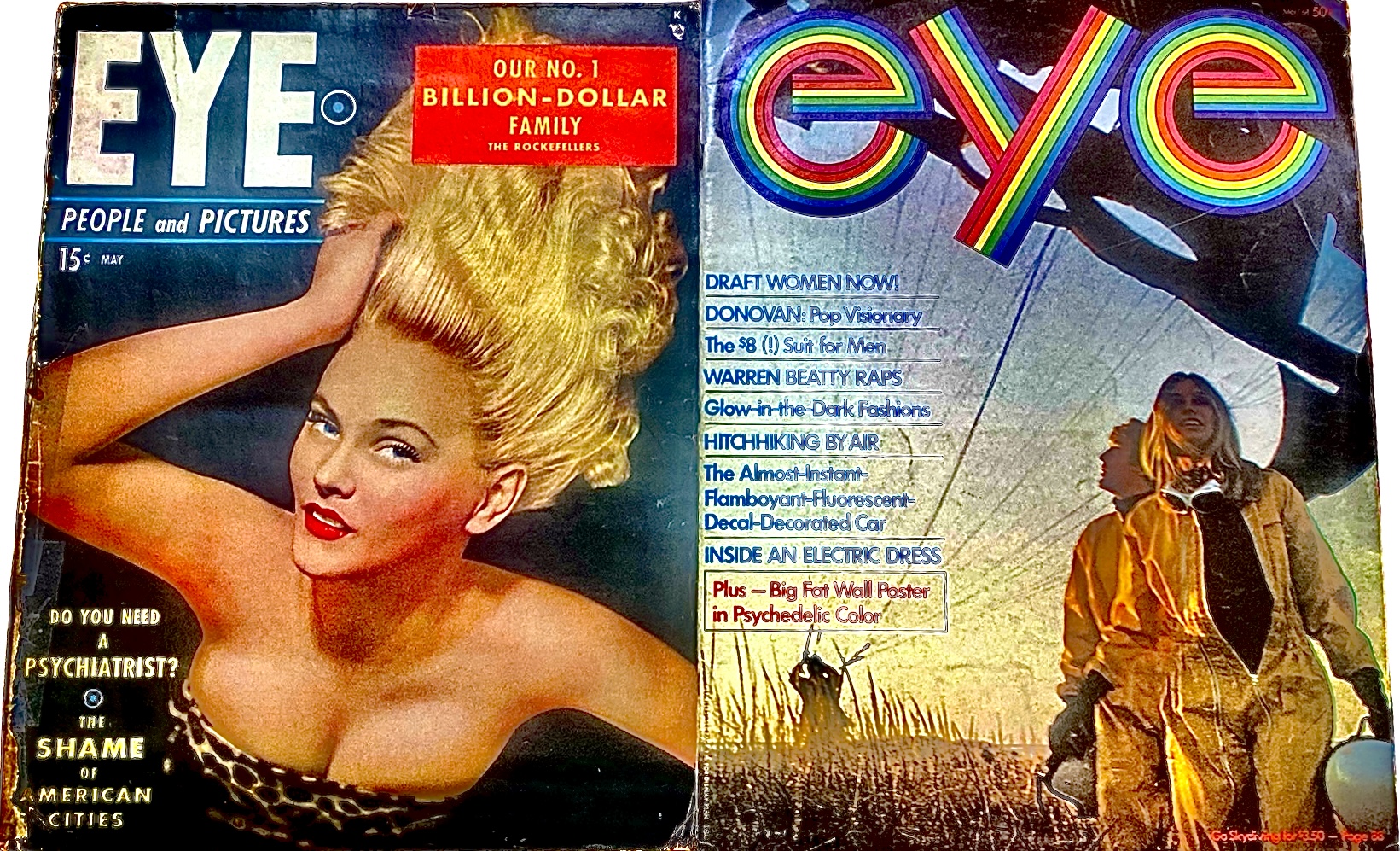
So without any further ado, here are the lessons I have found in those two Eyes that are still applicable in the year 2024, some 75 years after the first EYE was born:
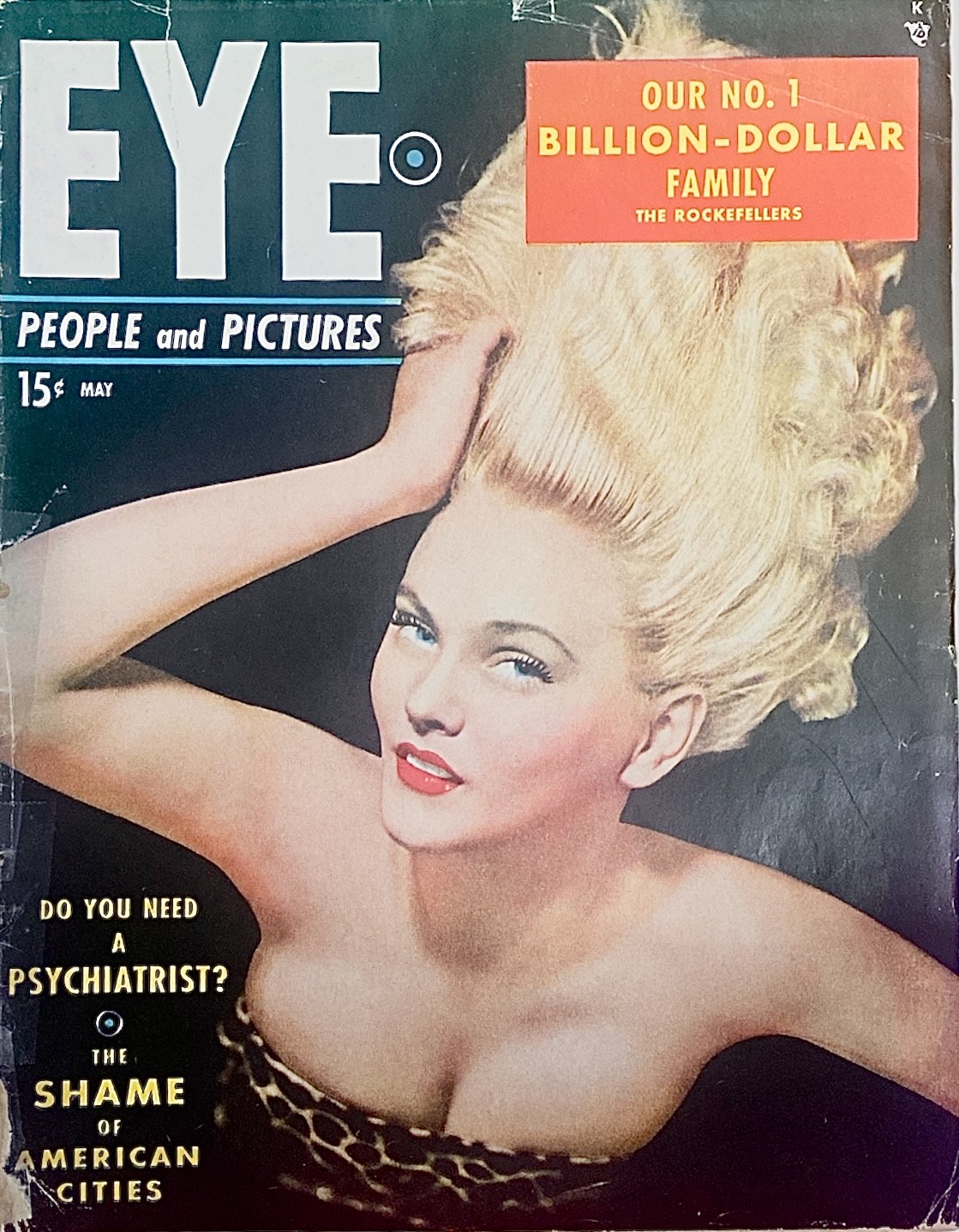
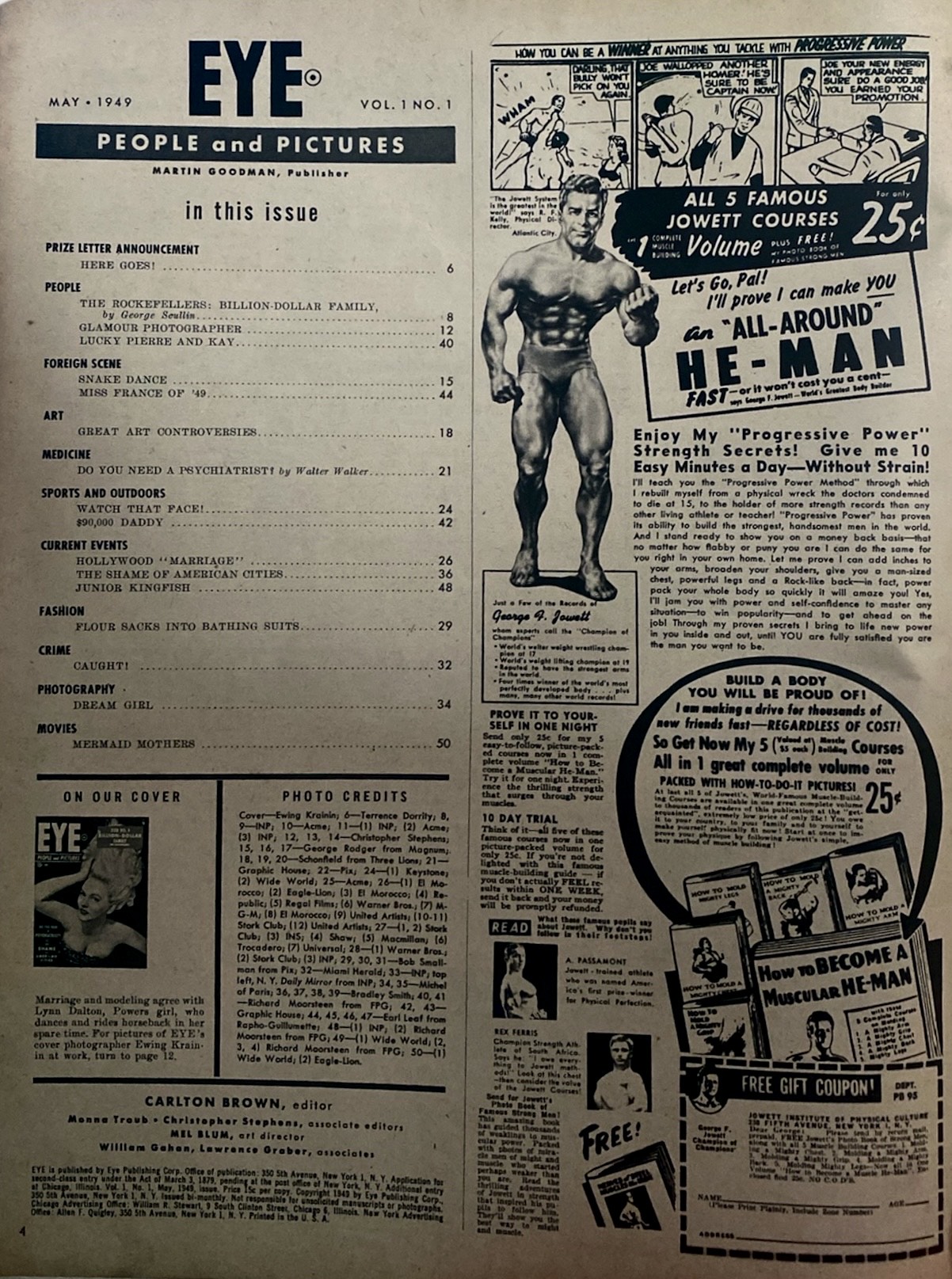
Lesson number 1: Magazine publishing is not for the faint of heart. In 1949 when the first EYE ( Martin Goodman, publisher and Carlton Brown, editor) was published, magazines were the only mass medium available to the public nationwide. This EYE was first published in May 1949 with the tag line “People and Pictures.” The editors wrote in the first letter to the readers, “Starting a new magazine is as exhilarating as jumping into a mountain pool – and as filled with suspense. You hold your breath, take the plunge, and hope for the best.”
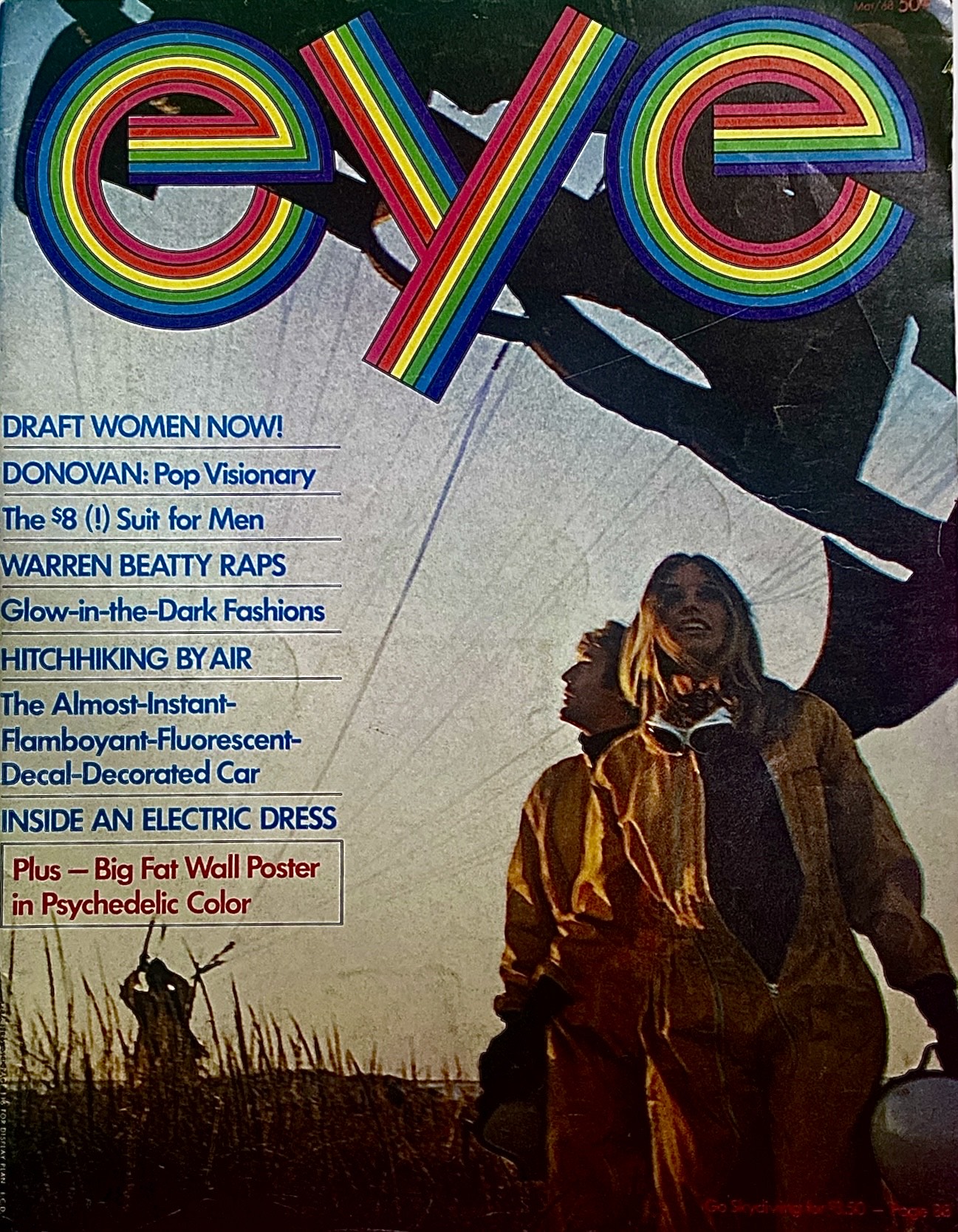
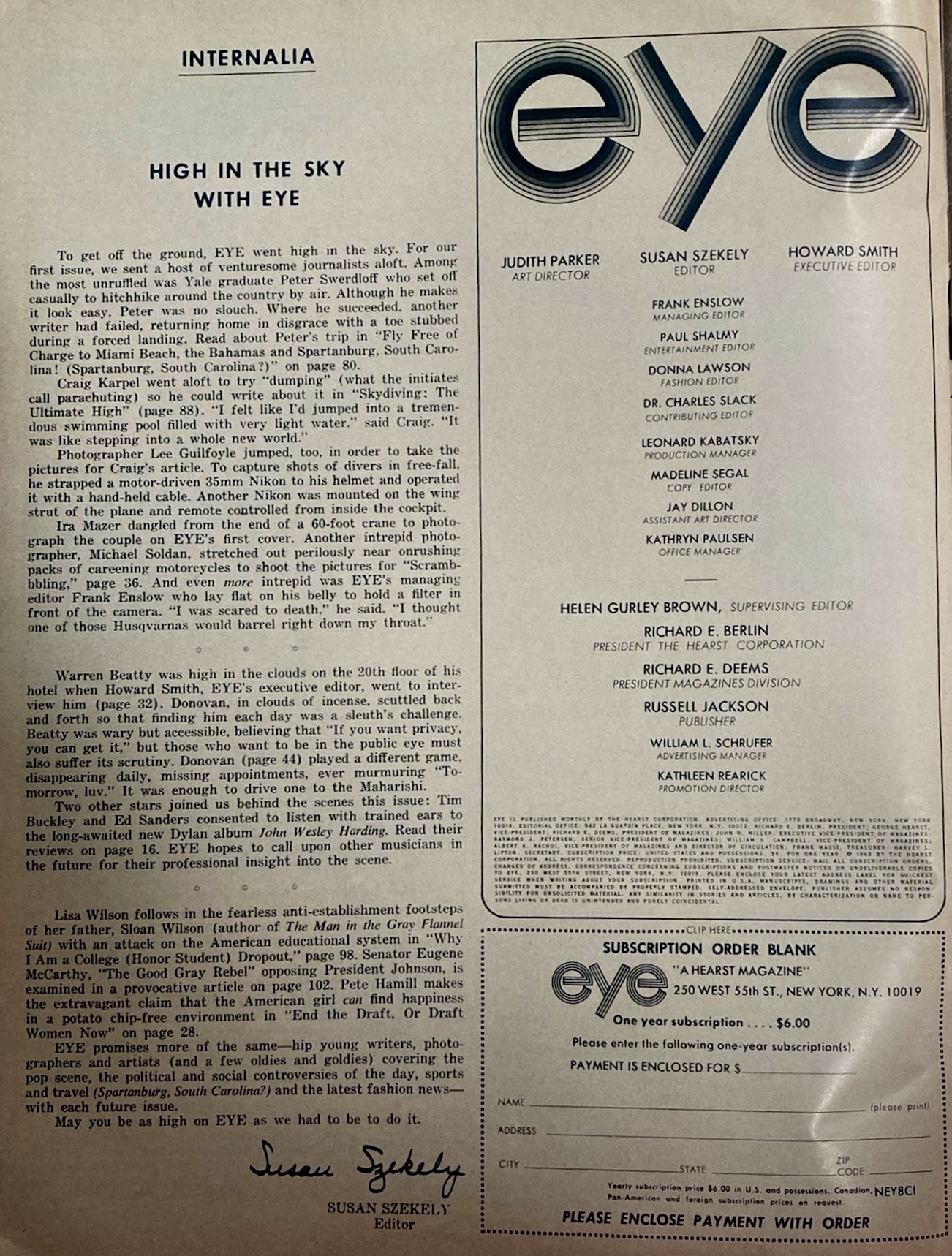
In March of 1968 editor Susan Szekely, wrote in the first issue of the Eye published by the Hearst Corporation (Helen Gurley Brown was the supervising editor), “ To get off the ground, EYE went high in the sky. For our first issue, we sent a host of venturesome journalists aloft. Among the most unruffled was Yale graduate Peter Swerdloff who set off casually to hitchhike around the country by air. Although he makes it look easy, Peter was no slouch. Where he succeeded, another writer had failed, returning home in disgrace with a toe stubbed during a forced landing.”
Both magazines took calculated risks and knew that magazine publishing, even in the 40s and 60s of the last century was not for the faint of heart.
Lesson number 2: Plea for help from the audience.
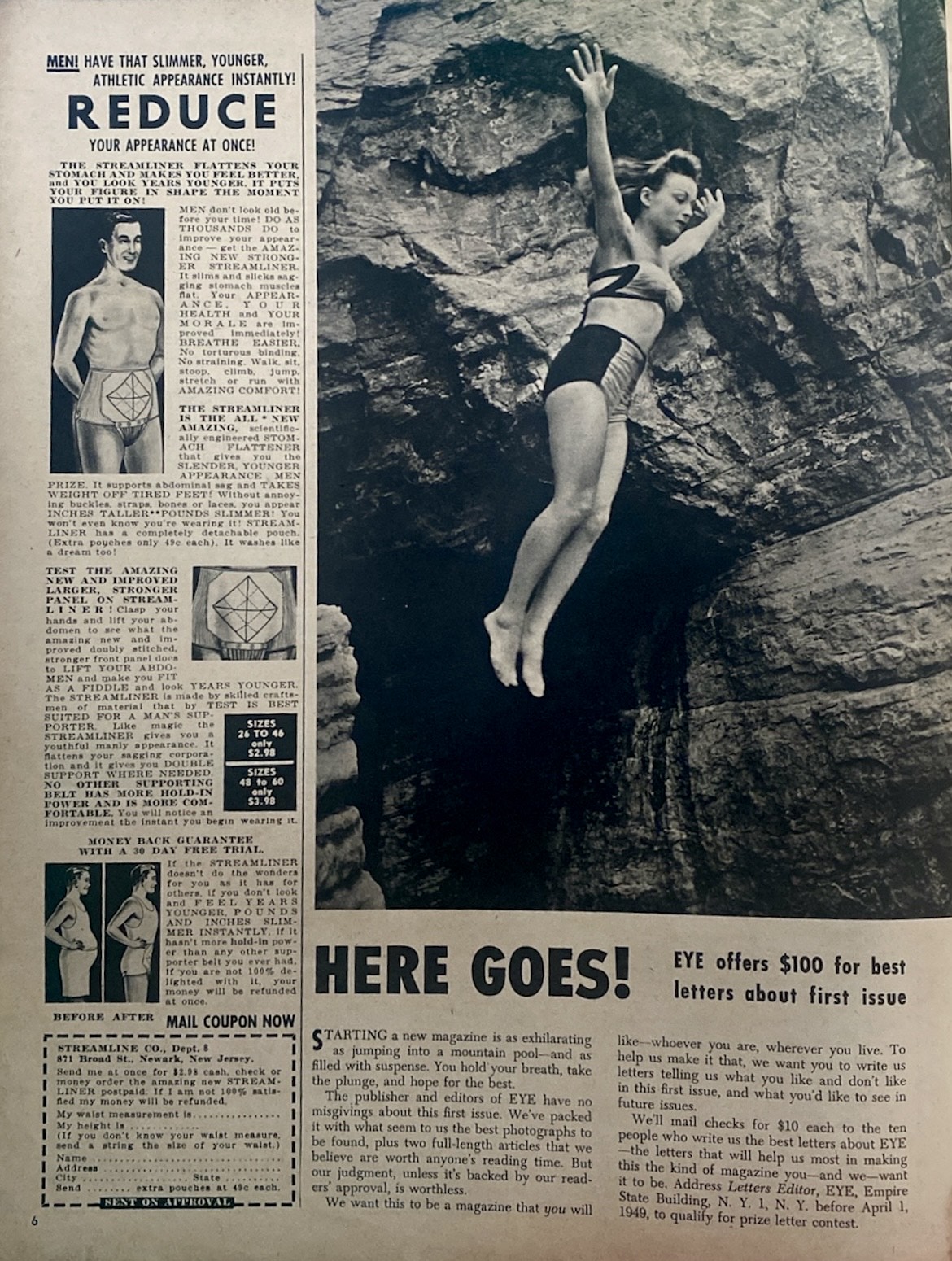
Without your readers, the magazine is not going anywhere. Readers input is essential. EYE of 1949 offered readers money for the best letters about the first issue. “We want this to be a magazine that you will like – whoever you are, wherever you live. To help us make it that, we want you to write us letters telling us what you like and don’t like in this first issue, and what you’d like to see in future issue,” the editors wrote. They continued, ‘We’ll mail checks for $10 each to the ten people who write us the best letters about EYE – the letters that will help us most in making this the kind of magazine you – and we – want it to be.”
Hearst’s eye was more on the wishful side of things with the audience. “May you be as high on EYE as we had to be to do it,” wrote the editor.
Lesson number 3: Great content was and will always be king and queen.
The importance of good quality content is as important as it was in 1949. For magazine content goes beyond good writing to include good photography, design, and the art of packaging a coherent and pleasing publication both for the eye (pun intended) and the brain. “The publishers and editors of EYE, have no misgivings about this first issue. We’ve packed it with what seem to us the best photographs to be found,” EYE’s editors wrote, “plus two full-length articles that we believe are worth anyone’s reading time.” The editors were humble enough to admit, “But our judgment, unless it’s backed by our readers’ approval, is worthless.”
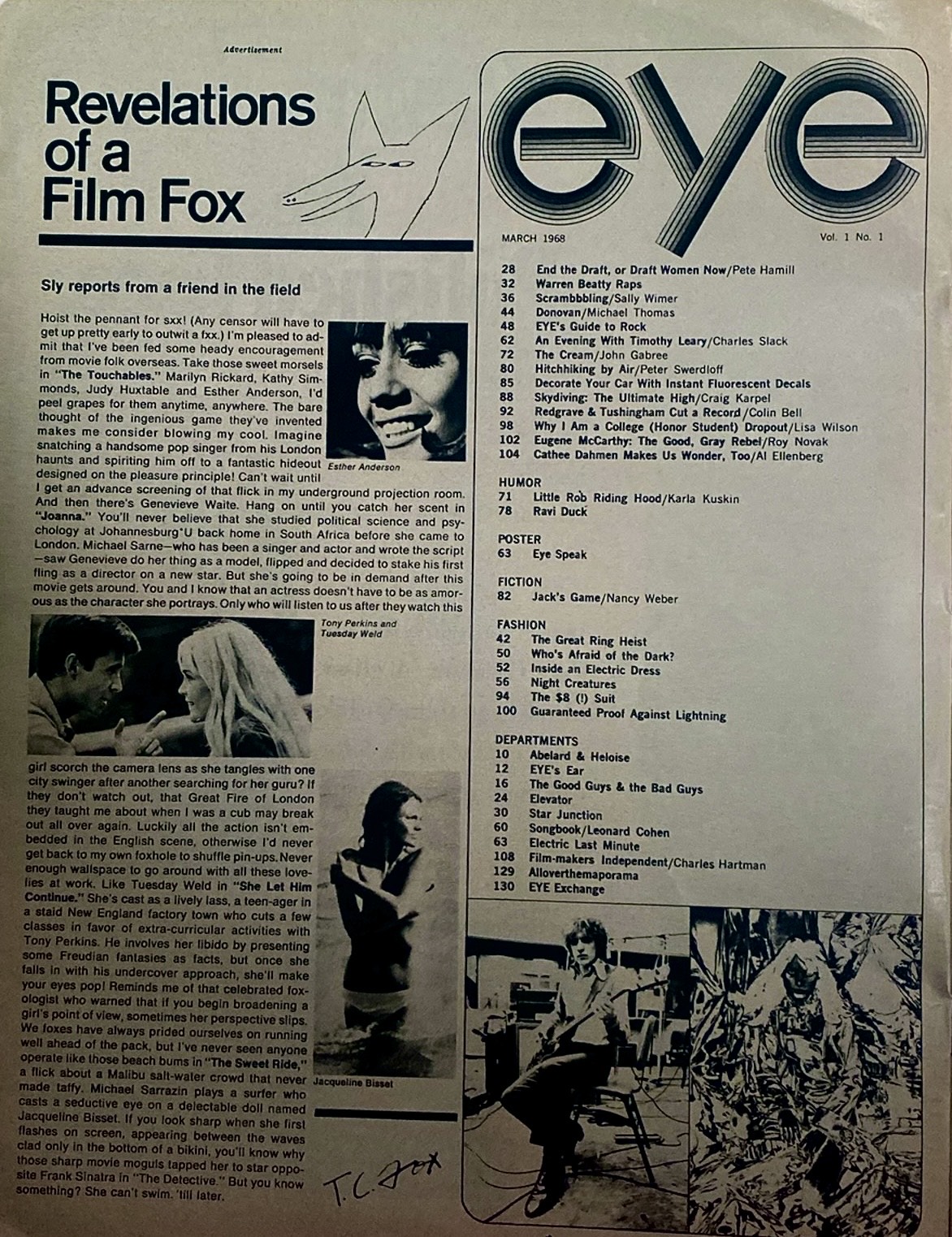
As for the May 1968 Hearst’s eye, the editor wrote, after paragraphs of introducing the writers and photographer for the volume 1, number 1 issue, “EYE promises more of the same—hip young writers, photographers and artists (and a few oldies and goldies) covering the pop scene, the political and social controversies of the day, sports and travel (Spartanburg, South Carolnia?) and the latest fashion news—with each future issue.”
Publishing a magazine, a good magazine still depends on those three premises stated above. Recognizing it is not for the faint of heart, engaging your audience from the very beginning, and providing excellent content that can’t be found any other place.
If you would like to take a dive into the “oldies but goldies” magazines of the past, feel free to reach to John Henry at the Special Collections division of The University of Missouri Libraries and ask for the Samir Husni Magazine Collection
Until the next musing, stay tuned…
All the best
Samir “Mr. Magazine™” Husni


 Mr. Magazine
Leave a comment