Archive for October, 2017

h1

Out Magazine At 25: A Mr. Magazine™ Interview From The Vault With Founding Editor Sarah Pettit…

October 4, 2017

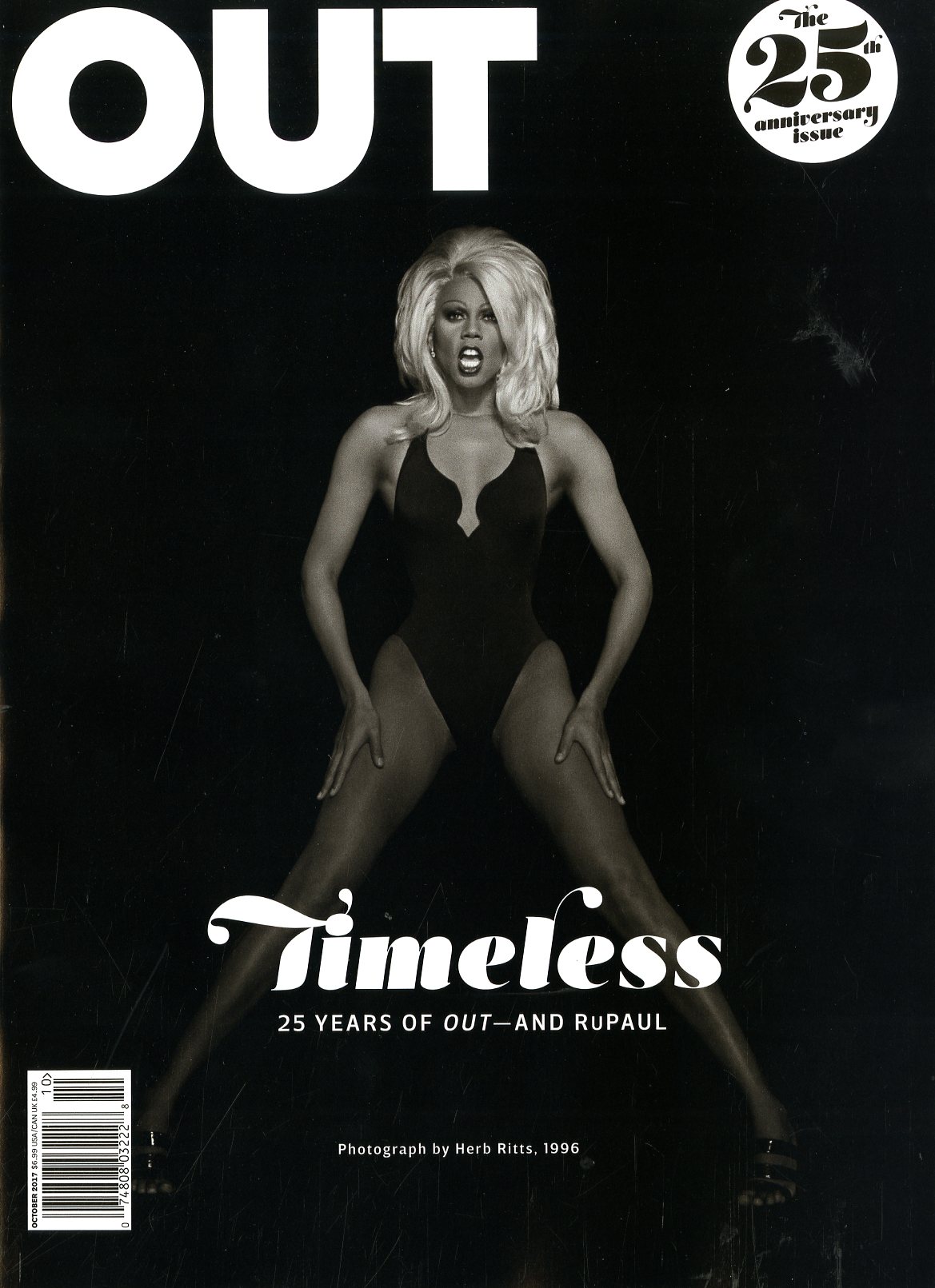
Aaron Hicklin, Editor in Chief, of Out magazine asks in his intro to the 25th Anniversary issue of the magazine, “How do you write an editor’s letter marking an anniversary?

Well rather than telling you how Aaron answered his question in this blog, (thus giving you the opportunity to go buy a copy of the magazine and find Aaron’s answer on your own), I opted to go into the Mr. Magazine™ vault and publish an interview I did with the founding editor of Out magazine, the late Sarah Pettit. Sarah, who died at the young age of 36 in 2003, was the founding editor and former editor in chief of Out magazine. The interview was published in my book Launch Your Own Magazine in 1998 and is reprinted below as it appeared in the book.

Sarah Pettit is the editor-in-chief of Out, a general interest magazine for gays and lesbians published by Out Publishing Inc. The first issue of Out appeared in 1992.
At what stage and in what capacity did you join Out?

I wasn’t the founder. The founder was Michael Goff, and the magazine was already established when I came into it. But I worked on the first issue. I helped to launch it. But I started work with the editorial. Everything else was already there.

What type of advice would you give someone who is launching a magazine?

I would probably tell them to walk to their nearest newsstand and take a look to see if what they want to do has already been done. And if it has been done, in what way has it been done, and how are their ideas different?

I think, especially in any major urban area, you can look at any newsstand of any size and find an enormous array of titles on pretty much everything from fly fishing to car mechanics to gay and lesbian lifestyles. For instance, the one I work on had pretty much been covered. But when we launched our magazine, what we noticed by looking at the newsstand was that there were no monthly feature magazines targeted to the gay and lesbian audience, nothing that addressed their issues in a full quality, industry standard way. So we said, “Well, there’s something that need to be done which hasn’t been done and that, obviously, people are going to be interested in.”

If you see that there are already five or six people doing it, and you are not going to bring anything particular new to the story, then you probably won’t have too much success. Unless, of course, you are a major magazine company and you can figure out how to squeeze out all of the little guys. But to the entrepreneur, it probably should be something with some necessity behind it.

How can an entrepreneur give the concept that special spin?

I think what we said was, you know there are probably a fair number of gays and lesbians in America. No one knows exactly how to count them, but even a rough estimate certainly puts them at the size of a magazine that is acceptable to launch. Most of the major companies want a magazine to hit about five hundred thousand at the get go, but it depends on how quickly you are going to increase your circulation. You have got to have a reasonable amount of circulation pretty soon after the launch to be able to warrant your expenses.

I think the way you put the twist on your idea is by finding something unique and special. I think what we found as this group of people who have a lot of common interests, whether that’s the more political aspects of what a gay issue is, or whether it’s the more cultural aspects of things, or if it’s simply the basic questions of how to organize your finances with your partner. Any of those things that are straightforward service questions, as they say in the magazine trade.

We knew that there was no real, centralized place they could go for that information in a consistent way. Doing a magazine such as ours would provide people with a unique publishing product that they probably couldn’t get anywhere else. As with any audience, what you want to do is look at your group and say, “What is it about these people that pulls them together?” What are their shared interests? And what is it about this product that you are giving them that no one else can?”

You know, obviously for gay men and lesbians, it’s even harder because in the past it’s been this community of people who are so dispersed. It was harder for them to identify themselves and speak of their common experiences. So, for a magazine, this is a very good thing because you want people who are hungry for information and for what you want to bring them.

Is there anything you would have done differently?

I honestly don’t know if I would have done too much differently. I know one thing that is very important is not to grow your magazine more quickly than it can handle. One of the classic ways you can go bust is to grow too fast and too furiously. Don’t start laying on a bunch of staff that you can’t afford to keep.

When we made our first magazine, we were in the offices of another company. Esquire actually offered us the space at Hearst Publications because the man who designed our first issue, Roger Black, had his design studio at Esquire. He worked on Esquire as their art guru, so we had the space and we had access to computers and it was all for very little money.

We had five or six people who worked on it, but now, five years later, we have a staff of thirty-two, including people from all over the magazine industry. Our publishers just spent eighteen years at the New York Times in the business department. Our president was at the Times for years, too, and at the Hartford Courant before that. We now have people from all over.

You can get competitive and start paying the good salaries later on, but don’t get too crazy. I think that is one of the problems that people have. They think that they can launch fancy offices with pretty desks and nice carpeting, but they don’t think about the fact that the magazine business is really expensive. Last year, for example, our paper costs went up 60%. That’s something that you can’t foresee, and if you have too much up front, costs can really kill you.

What advice would you give for recruiting staff?

I think one of the key things is to get people who really feel like they want to come to their jobs in the morning. I think you have to inspire them in whatever way. To our benefit, we were making a magazine that a lot of our staff felt was really important. They personally felt very compassionate about the idea of bringing information to a group of people who had not had that before.

So you have the professional motivation of mixing a good product with a lot of pride. If you can hit people at home and make them feel like they are really doing something important, you can come out with any magazine. You can make a magazine about golf and make people who work with you feel that it’s important. Often, I feel that people equate that with young, hungry talent. I don’t know if that has to do with age or point of view, but it’s best to not have people who feel like they’re doing you a favor just by coming to work.

And there is something to be said for people with magazine backgrounds. I think one of the things that created the biggest problem for the gay press is the thought that, “OH, anyone can make a magazine.” Well, no, not anyone can make a magazine. Part of what makes a good magazine is having people with magazine talent. It’s a unique skill, just like any skill.

What’s the greatest lesson you’ve learned from the Out launch?

Oh, I wish I had more money! Actually, it’s been very interesting. I think that I have learned that money isn’t everything, even though I just said it was.

You look at something like the report that when House and Garden relaunched this fall from Conde Nast, they spent forty-four million dollars over the course of a year or two. That was just to get to the point of relaunching the magazine, just to get to that one issue. Forty-four million dollars-all for prototypes and staff and shooting stories that they wouldn’t use.

There was this enormous kind of loading of that project, and then I look at what I have. Forty-four million dollars, based on how much money we spent in the first five years, we could be around for the next two thousand years. We’re talking about just enormous amounts of money. And then I look at how little I do with, and I say, “Gee.” It really kind of makes you appreciate the value of every dollar. Some of this stuff is just crazy. It doesn’t need to be this expensive, but money, unfortunately, is useful and you need a lot of it for magazines, for good writers anyway.

Do you do most of your work in-house?

Most of our writing is freelanced.

Is that something you’ve done from beginning?

Yes. We try to work with a pretty broad array of people and keep that mix up. The premise of the magazine has always been that we go to talent from all over the industry – whether people are working on TV Guide or Essence or Vanity Fair – and bring them to Out where they can do special stories that are especially relevant. Whether it is the arts writer who can write about books for us or the entertainment journalists who can’t do exactly that story where they are based. It’s kind of taking people’s real world specialties and bringing them to Out where they make sense for us.

You know, in some next world, it would be nice to have a broad base of people whom you could pay to keep on retainer. But I think people can be really wasteful with that, too. There are major magazines that can lock up millions of people. They want people to be dedicated just to them, and they pay them huge amounts of money so they don’t work for anyone else. That kind of stuff can be ego-driven. And ridiculous, too. Is it really worth it to spend a hundred thousand dollars just to keep someone from writing for anyone else?

What about the actual birth of Out? Who developed the concept and how did it grow?

The idea was essentially Roger Black’s, who was behind the first issues of the magazine. Michael Goff, the actual founder, worked for Roger and they were always working on this idea of what would it be like to start a gay magazine. They had started doing prototypes that were targeting only the male readers, and then they actually decided to expand it and make it for men and women.
After the initial investor was brought on board, that’s when I came on and started to open offices about six months later.

During those six months, what types of struggles did you face? Did any of them change your thinking?

I do think that their initial of audience focus was big because emphasis on demographics is really important. I don’t know I guess the cliché is that launches always lead to big fights, and people change and sort of drop off. We really didn’t have a whole lot of that.

I think that once we were committed, that first year we were in business, there really wasn’t time for anything else. I think that the good thing about Michael’s initial idea, once he had the germ of it, was that the message of the magazine and the focus of the magazine and the content have always been consistent. It’s not like it started one way and then it morphed and changed a million times. I think that is the way you lose readers. Michael was pretty clear that we were launching a general interest, national magazine for gay men and lesbians.

I think he knew it was going to be topical; it was going to have features and art coverage and fashion. It was going to be a monthly features magazine that a gay Vanity Fair would be. In fact, that was one of our buzz lines. He pretty much kept that vision and we have kept it to this day. I think that is really helpful because people aren’t trying to figure out what we are.

I also think it was really helpful that we were considered iconoclastic and weird because it was a gay magazine and the whole structure of how you make a magazine and the whole structure of how you make a magazine was in pretty classic terms. We were going to make a magazine and we were going to make it for audiences that hadn’t had that. So the buzz line that came out of that was a traditional magazine for a nontraditional audience. Now, we weren’t trying to reinvent the wheel. We were just trying to drive the wheel to a different place, as it were.

What about advertisers?

I think the main thing is that, in the last five years, we have brought on every major advertising category, from fashion to automotive to electronics. In the past, the gay press had never been supported by any mainstream advertisers, and it was considered to be something that was pretty much impossible.

The buzz word was kind of like, “You will get Absolut and you will get Benetton – and the rest of it, well you will have to make do with love.” And that did not prove to be the case at all. What we showed was that we made a quality magazine, and we had a lot of quality contributors, great articles, great photography. People like Roger Black were behind it, and the people in the industry recognized that, and it kind of trickled down.

I think media buyers and people in the industry had to look at that and recognize, “Here’s a great way to reach there people and to target these people in a place we haven’t been able to get to until now.” Ellen DeGeneres’ character coming out on TV aside, there really haven’t been that many gay media outlets.

So I think it coincided with a moment in the media when people were looking for a way to find new niche markets, and one of the hot, new niches in the early nineties was the gay and lesbian market. It still continues to be. Out majestically came at just about the right time for people. It did it in the same way that ten or twenty years previous, people tried to target the African American industry or the Latino industry.

In that respect, the advertising story became a much richer one than people thought it might because we had everyone from fashion retail to automotive to electronic to expensive liquor and tobacco and a lot of other industry that supports magazines. So, in that way, we were looked at as a test case, and a very successful test case.

How important is flexibility?

You have to have a good message, and you have to be convinced about it. If it’s like a square peg going into a round hole, and you are bringing people a message and a magazine that no one wants, and you stick to it, you are just going to go down in flames anyway.

But I do think that if you have a good idea, you’ve got to stick to it for a while because you won’t see much happening overnight. You know, it takes a while for small magazines launching on their own to grow like ours has. We are having our fifth anniversary this year, and I am only just now beginning to feel like our magazine is really taking off. It just takes so long.

When you take carrots and potatoes and chicken and you put it in a pot, it takes a while for the flavor to happen, and it does not happen overnight. If you get panicky, and you bail out before you give it a chance to get going, you are not going to have a very good stew. You just have to keep it going for a while. Obviously. Simmering that stew is expensive, and in the magazine world, not a lot of people can sit around and wait for that to happen.

h1

A Shortcut To Quality, Credibility, And Trust: Magazine Media. Better. Believe It. A Mr. Magazine™ Interview with Linda Thomas Brooks, President and CEO, MPA: The Magazine Media Association & Michael Clinton, President, Marketing And Publishing Director, Hearst Magazines.

October 3, 2017

Magazine Media. Better. Believe It. Explained.
‘Who keeps your flame? Who tells your story?’

“Part of what we’re doing is talking to consumers to remind them that magazine media brands have that credibility… People have figured out that not all content is created equal and consumers are using magazine brands as a shortcut to quality… All of the outside research, not MPA research, proves that magazines build brands and sell products at the same time better than any other media channel.” Linda Thomas Brooks…

“Consumers and marketers are asking themselves who they can trust in a world with a lot of digital fraud and wrong information. Magazine media content is trustworthy. Our editors create print and digital content in safe environments with brands that people respect and believe in. It’s the moment in time for us to lead the narrative.” Michael Clinton…

A Mr. Magazine™ Exclusive…

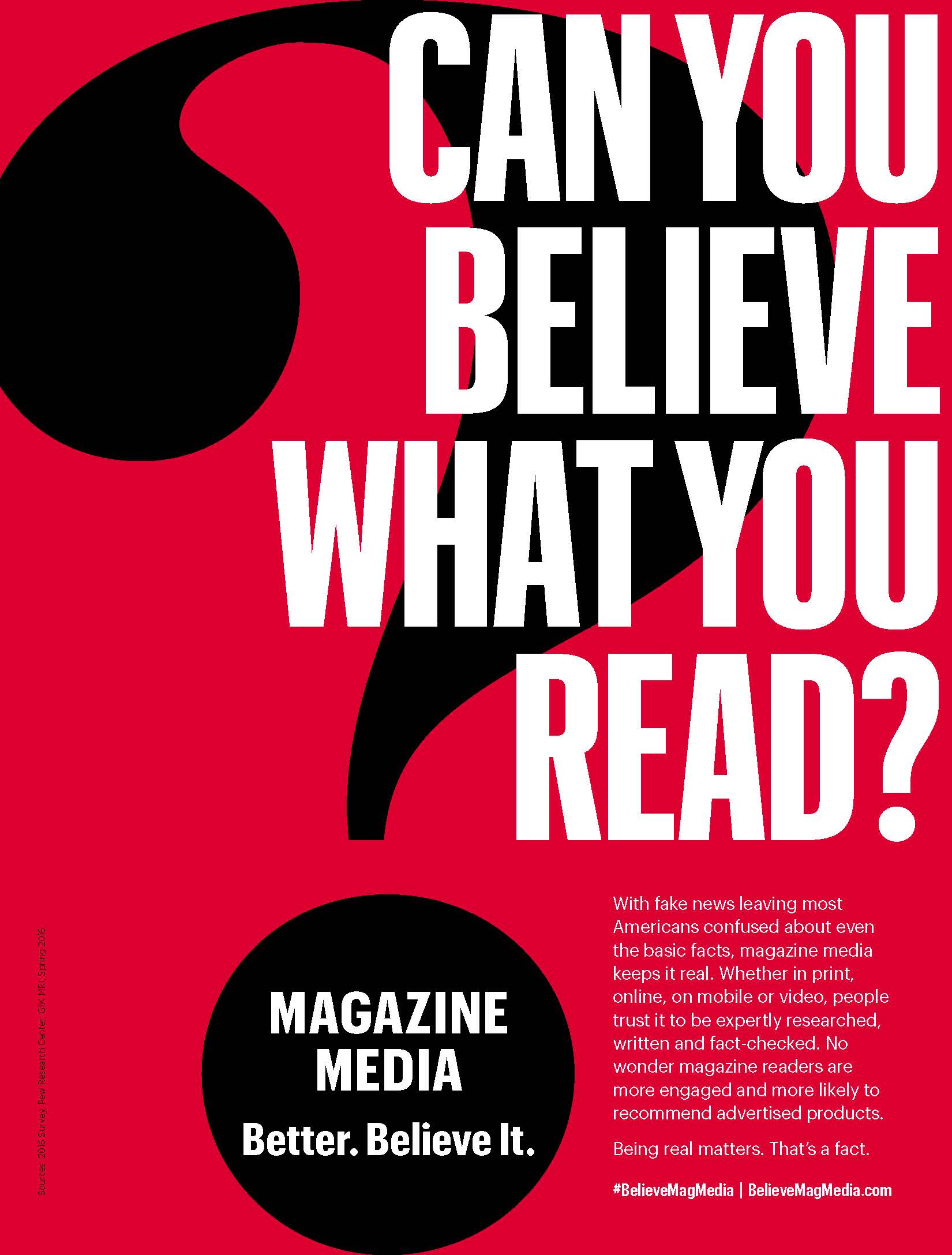
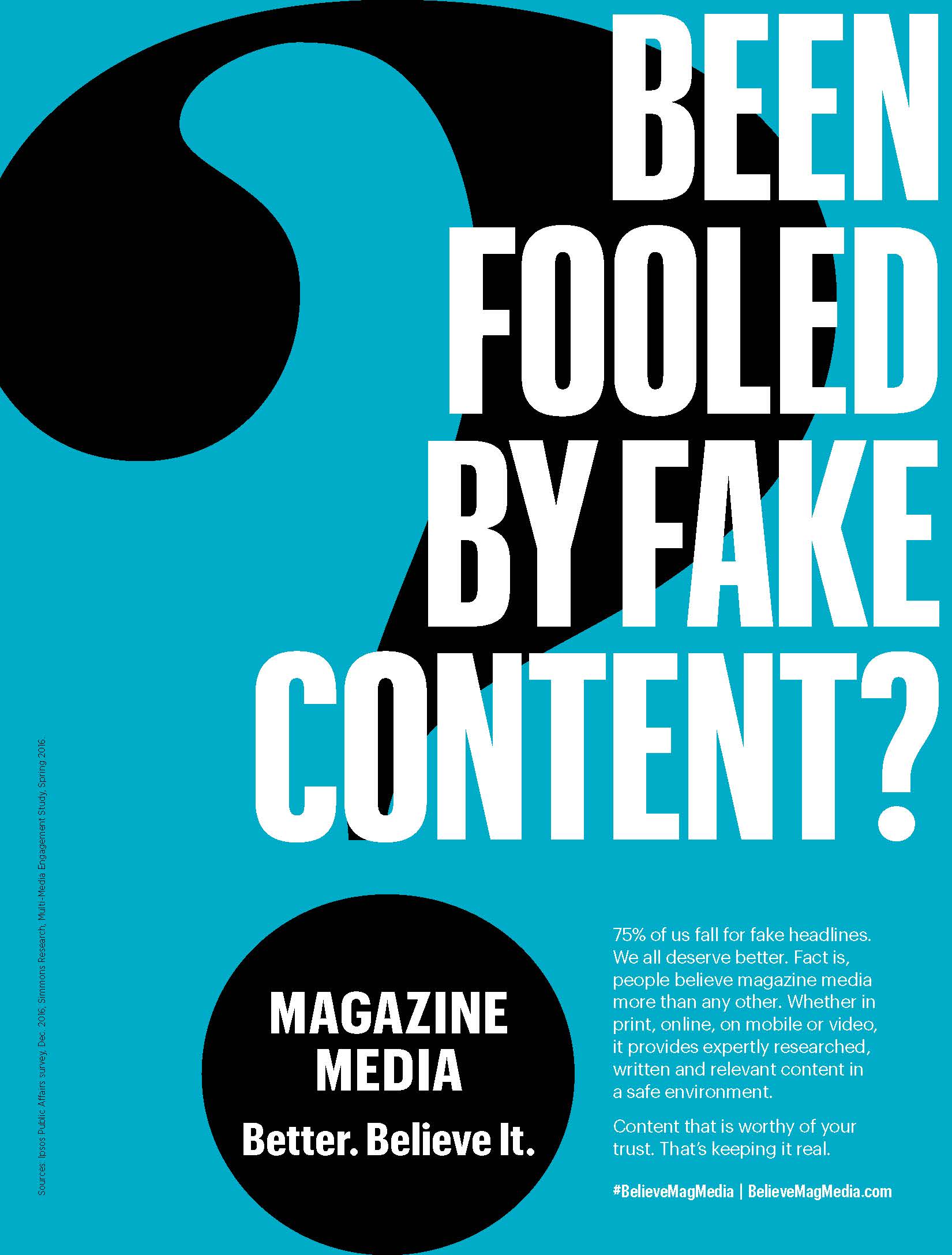
“Publishing is believing,” a publisher friend of mine from The Netherlands once told me. And I told him Amen to that. In the magazine and magazine media business you are either 100 percent in it, or you’re not in at all. Magazine Media. Better. Believe it. And those last five words happen to be the basis of the new campaign that the MPA: The Association of Magazine Media is about to embark on today.

In the digital world we live in, consumers and marketers alike are searching for whom they can trust and in whom they can believe in. That is the main reason the magazine media industry is behind this consumer and marketing campaign that weeds fact from fiction in an age of fake news, fake content and fake advertising.

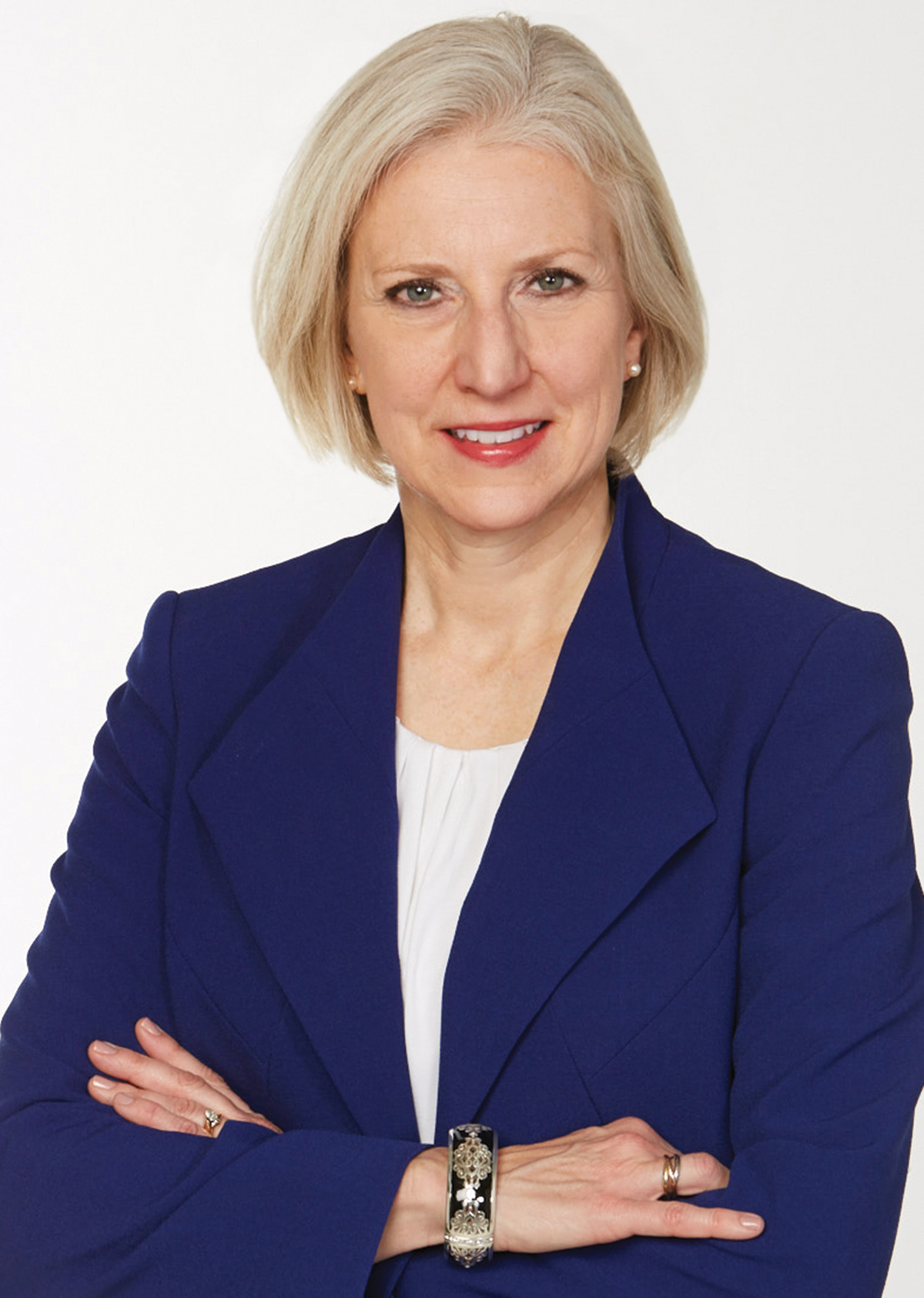
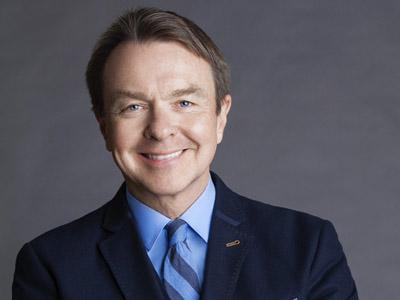
But why now? Why is today the best time to share this message that magazine media is the most trusted and credible source for engaging content over any other media form? The answer to that weighty question can be found here (among others), and is based on my recent interview with Linda Thomas Brooks, president and CEO of the MPA: The Magazine Media Association and Michael Clinton, president, marketing and publishing director, Hearst Magazines.

Linda and the MPA are staunch advocates for magazines and magazine media. And the central theme of this campaign is “Magazine Media. Better. Believe It.” It brings magazines’ uncanny ability to produce professional and credible content in a brand-safe environment to the forefront of consciousness, when claims of fake news are everywhere.

And recently, Michael wrote a Hearst feature article that’s very first line expelled any doubt as to what he and Hearst Magazines think about their admitted core print business: ‘Print is alive and well with consumers everywhere.’ And with Hearst Magazines being one of the many companies participating in the MPA’s ad campaign, it’s a given that “Magazine Media. Better. Believe It” is something they also strongly believe in.

So, I hope that you look past the recent headlines and give the acid test to the message that Linda and Michael are sharing, and agree that when it comes to truthfulness and abiding constancy in content and information, magazines are Better. Believe it. And now Linda Thomas Brooks, president & CEO, MPA: The Magazine Media Association, and Michael Clinton, president, marketing and publishing director, Hearst Magazines.

But first the sound-bites:

Linda Thomas Brooks

On what made the MPA decide that now was the right time for an ad campaign emphasizing credibility and trust in the media (Linda Thomas Brooks): You can look at this from two different standpoints. From the consumer’s standpoint; consumers just received a lesson in what it means that the media world has expanded so broadly. And they’re starting to figure out that not all content is created equal. And they’re trying to figure out who they can trust.

On what made Hearst Magazines decide now was the right time to participate in this ad campaign (Michael Clinton): Consumers and marketers are asking themselves who they can trust in a world with a lot of digital fraud and wrong information. Magazine media content is trustworthy. Our editors create print and digital content in safe environments with brands that people respect and believe in. It’s the moment in time for us to lead the narrative.

On whether she believes in this time of media circles and celebrity editors’ resignations, that it’s time to refocus on the magazines and magazine media brands rather than the people behind them (Linda Thomas Brooks): I don’t think it necessarily has to be one or the other, because those are iconic people and they did fantastic jobs for a long time and I think those magazine brands are as powerful as they are because the people behind them are so fantastic. But I think whoever replaces them, and in some cases that’s not known yet, I have no doubt that those people are going to be equally fantastic; probably differently fantastic.

Michael Clinton

On how this campaign fits into the Print Proud Digital Smart mantra Michael Clinton believes in (Michael Clinton): We pride ourselves on our editorial integrity regardless of platform. With a lot of false influencers that really have no influence, magazine brands and our editors influence consumers to take action.

On why she thinks the media industry is prone to talking about the negatives in the business rather than the positive stories (Linda Thomas Brooks): It’s a funny thing, isn’t it? Even though I’ve been part of very, very competitive industries before, I’ve never quite seen the same role of the trade press when it comes to eating their own young. (Laughs) And that’s part of what this is, stepping up to say this is the power that our magazine media brands have.

On why he thinks the media industry is prone to talking about the negatives in the business rather than the positive stories (Michael Clinton): There is a great line from the play “Hamilton.” ‘Who keeps your flame? Who tells your story?’ Every magazine professional has to have the passion to tell the story of our great medium. No one else will do it for us.

On how she believes in addition to the MPA’s campaign, the industry can show consumers and marketers that magazines are still the best reflectors of American society (Linda Thomas Brooks): That’s what we’re trying to do here is really start that conversation. This campaign will be going on for months. We’re going to be in 123 of our different magazine media properties in print in the next couple of months, but we’ll be in digital as well. We’re going to be trying to share this message and I hope that the message starts an industry conversation, or continues an industry conversation that I think has already started, which is about brand safety.

On anything that she’d like to add (Linda Thomas Brooks): I think that the idea of magazines being a shortcut to quality is something that I keep hearkening back to, because I think it’s really important for both consumers and marketers to understand that.


And now the lightly edited transcript of the Mr. Magazine™ interview with Linda Thomas Brooks, president and chief executive officer of MPA: The Association of Magazine Media, and Michael Clinton, president, marketing and publishing director, Hearst Magazines.

Samir Husni: With everything taking place in the country regarding the media, why do you think now is the opportune time to sell magazine media’s story? There is a lot of fake news and many people have been predicting the industry’s demise; what made you decide it’s now or never to launch an ad campaign emphasizing credibility and trust in the media?

Linda Thomas Brooks: You can look at this from two different standpoints. From the consumer’s standpoint; consumers just received a lesson in what it means that the media world has expanded so broadly. And they’re starting to figure out that not all content is created equal. And they’re trying to figure out who they can trust.

Part of what we’re doing is talking to consumers to remind them that magazine media brands have that credibility and to be honest, they’re discovering this on their own, and if you look at the recent results for a lot of magazines, Vanity Fair, The New Yorker, The Atlantic, and even magazines like Parents that has nothing to do with news or current events per se; people have figured out that not all content is created equal and consumers are using magazine brands as a shortcut to quality.

So, number one is to remind consumers. And number two is to remind marketers, because what marketers have seen in recent months is that their advertising isn’t having the results that they want. They’re not getting business growth. And we have all of the outside research, not MPA research, that proves that magazines build brands and sell products at the same time better than any other media channel.

And that’s not me saying that; it’s Millward Brown, Nielsen Catalina, and comScore saying it. All the proof points, and all of the problems marketers say they have; I hate to say it’s a Perfect Storm because that’s an overused analogy, but it’s a confluence of all of these things coming together, and we want to remind people on both sides of that. Where we sit, we’re the answer to all of those problems.

Michael Clinton: Consumers and marketers are asking themselves who they can trust in a world with a lot of digital fraud and wrong information. Magazine media content is trustworthy. Our editors create print and digital content in safe environments with brands that people respect and believe in. It’s the moment in time for us to lead the narrative.

Samir Husni: In the midst of all of the media circles, all of the resignations of some of the celebrity editors; do you feel that it’s the best time now to bring the focus back to the magazine and magazine media brands, rather than the people behind them?

Linda Thomas Brooks: I don’t think it necessarily has to be one or the other, because those are iconic people and they did fantastic jobs for a long time and I think those magazine brands are as powerful as they are because the people behind them are so fantastic. But I think whoever replaces them, and in some cases that’s not known yet, I have no doubt that those people are going to be equally fantastic; probably differently fantastic.

But those magazine brands have all been through more than one strong editor with a strong editorial voice, and those editors all left with those brands in such a rock-solid position; they didn’t leave them at a moment of weakness, they left them at a moment of really core strength. And I’m certain that will continue, because the publishers behind those brands know what they are and what they stand for.

Samir Husni: Michael, how does this campaign fit in the realm of the Print Proud Digital Smart strategy that you preach all the time?

Michael Clinton: We pride ourselves on our editorial integrity regardless of platform. With a lot of false influencers that really have no influence, magazine brands and our editors influence consumers to take action.

Samir Husni: Part of me feels that the industry fails a lot in telling its own success story. When I see magazines that are less than 10 years old with circulations of 1.7 million, like Rachael Ray Every Day, Food Network Magazine etc…

Linda Thomas Brooks: And the Magnolia Journal reached one million in around four issues.

Samir Husni: Yes, The Magnolia Journal hit one million after four issues, and many other magazines that are less than 10 years old, or even less than two years old are going to press for a second printing. Why do you think the media industry doesn’t tell those stories more often, rather than constantly reporting on the negatives, the magazines that don’t make it?

Linda Thomas Brooks: It’s a funny thing, isn’t it? Even though I’ve been part of very, very competitive industries before, I’ve never quite seen the same role of the trade press when it comes to eating their own young. (Laughs) And that’s part of what this is, stepping up to say this is the power that our magazine media brands have.

And I’m not ignoring the fact that there are very real business issues and there are very real business disruptions that we’re facing, but every brand is facing business disruption, including digital brands. But we have this strength of heritage that is important to both marketers and consumers. So, I think this is the perfect time to do exactly what you’re describing, which is to step up and say, hey, maybe we’re not perfect, but we’re really damned good.

Michael Clinton: There is a great line from the play “Hamilton.” ‘Who keeps your flame? Who tells your story?’ Every magazine professional has to have the passion to tell the story of our great medium. No one else will do it for us.

Samir Husni: There was a recent piece in the Wall Street Journal about Mashable being up for sale. They lost somewhere around $10 million and they laid off 30 percent of their staff, but no one said digital is dying or digital is fading. In addition to this campaign, how can the magazine industry show consumers and marketers that magazines and magazine media are still, even in this digital age, the true reflectors of American society?

Linda Thomas Brooks: That’s what we’re trying to do here is really start that conversation. This campaign will be going on for months. We’re going to be in 123 of our different magazine media properties in print in the next couple of months, but we’ll be in digital as well. We’re going to be trying to share this message and I hope that the message starts an industry conversation, or continues an industry conversation that I think has already started, which is about brand safety.

The thing I tell people about magazine media brands; they’re more than brand safe, I call them brand edifying. If you’re a marketer, you want to know, not only the safe place for your brand, that you’re not going to be next to something that is completely inappropriate, but that the content is edifying to your brand. That it complements the brand and that consumers feel that it’s part of the package. If you look at Simmons or MRI, all of their qualitative statements, you get all of that with magazine media brands.

So, I think those conversations have started and we’re just trying to amplify that and remind people that these are really critical business issues for marketers demonstrably and again, from outside research, magazines are the best place for that.

Samir Husni: Is there anything that you’d like to add?

Linda Thomas Brooks: I think that the idea of magazines being a shortcut to quality is something that I keep hearkening back to, because I think it’s really important for both consumers and marketers to understand that.

The other thing is that magazines are still invited guests in consumer’s homes. People consume magazines in a whole different way than they consume any other media channel. And I think that’s a really important idea too. If I like you enough to invite you to my home, I have a different relationship with you than somebody I just pass in the street that I don’t know.

If you think about it on a very personal basis that’s what magazines are representing in the marketplace, that invitation from consumers and that gives us a different point of entry in terms of our content, as well as the advertising that comes along. The way I keep phrasing it to people is that magazines are invited guests into consumers’ homes and advertisers get to come along as a plus-one. And that’s very different from every other media channel out there.

It’s going to take a lot of people to change the conversation about this, and I don’t think we should be shy about the power of our brands.

Samir Husni: Thank you both.

Click to check the campaign here…
Read Linda’s current blog on this subject here.
Read Michael’s post on the Hearst’s website here.

h1

Looking Past The Headlines… Or Seeking The Truth In Journalism And Media Reporting…

October 2, 2017

A Mr. Magazine™ Musing…

Samir “Mr. Magazine™” Husni, founder and director, Magazine Innovation Center at The University of Mississippi. Photo by Robert Jordan/
Ole Miss Communications

September has been a month to remember in the world of magazines and magazine media. Editors resigning, media reporters quick to editorialize on the demise of magazines and publishing as a whole, marketing experts questioning the effectiveness of digital advertising, and magazine industry leaders taking a stand to separate fact from fiction. Just take a look at some of the recent headlines and quotes from various media outlets in no specific order:

“The reality is that in 2017, the bloom came off the rose for digital media,” said (Marc) Pritchard. “The reason: substantial waste in what has become a murky supply chain. As little as 25 per cent of the money we spend in digital media actually makes it to the consumer. With $200bn in spending, it’s frankly time to stop giving digital a pass, and ask it to grow up.” Marc Pritchard, chief brand officer, P&G

“People use social media to share things about their lives with each other. And let’s face it, ads are annoying in that context.” Marc Pritchard, chief brand officer, P&G speaking at Dmexco, Sept. 13

The Not-So-Glossy Future of Magazines
Magazines still line classic newsstands like this one in Harvard Square in Cambridge, Mass. But the publishing industry has faded.
By SYDNEY EMBER and MICHAEL M. GRYNBAUM
The New York Times’ story headline and caption… Sept. 23, 2017

“Here’s a headline for you: Print is alive and well with consumers everywhere. I know it’s different than the headlines you’ve been seeing lately, but it happens to be a fact.” Michael Clinton, President Marketing & Publishing Director, Hearst Magazines, Monday Sept. 25

Digital advertising revenues are fleeting; far from the antidote to print declines they were — pardon me — advertised to be; according to some estimates, at least one-third of all digital ad impressions are fraudulent. What’s more, brands are growing increasingly skittish about the potential for their messaging to wind up in brand-unsafe environs, and transparency and trust have never been at such a premium. Ad Opts IQ, from Folio Sept. 29

“Consumers and women still love the printed format to turn to for inspiration and for more of that lean-back experience. And what we look for more with digital is as a utility to help them to do something in the short-term. So, inspiration versus utility, as I like to say.” Tom Harty, president and COO, Meredith, Monday Sept. 25

So, did the publishing industry really fade as The New York Times would like us to think? And are digital ads really fleeting as reported in Folio:’s Ad Opts IQ? And those digital ads; are they really annoying people on social media as Marc Pritchard, chief brand officer at P & G, said? Is print really alive and well with consumers everywhere, as Michael Clinton, president, marketing and publishing director, Hearst magazines, wrote in a recent article? Are “consumers and women still loving the printed format to turn to for inspiration and for more of that lean-back experience,” as Tom Harty, president and COO of Meredith, stated?

So what’s one to do in the midst of the conflicting and sometimes fake headlines? How can one tell the difference between fact and fiction? Needless to say, unless one looks past the headlines and goes back to the truth of journalism, the answers will be hard to come by, unless…

To be continued… stay tuned.