Archive for the ‘News and Views’ Category

h1

Part 2: Ten Days Around the Magazine World: In Paris C’est dit! Vivre magazines

December 23, 2009

And for those of you who speak French as bad as I do, the above title means “In Paris It Is Said Magazines are Living…” Growing up in Lebanon it is assumed by many who meet me that I should be able to converse in French, but alas, I was one of the few who went to an American school in Tripoli, Lebanon and thus my French is 100% dependent on my wife’s knowledge of that language (She went to a French speaking school). So, to give credit where credit is due, the help with the translations of the names of the magazines come from my wife.

Day Three: Paris
Well, back to my travels and the story at hand. C’est dit! and Vivre Paris are the names of two of six new magazines that welcomed me at the Charles De Gaulle’s Airport upon arriving in Paris on my third day of the Ten-day-around-the-magazine-world trip. The newsstands were crowded, and I mean crowded with magazines lining the shelves in every square centimeter of the store.

Pocket size vs. Standard size
The first thing that attracted my attention was the availability of some magazines in more than one format. I have heard and seen the practice of the so called pocket size publication sprouting all over Europe since the launch of the pocket size Glamour magazine in the United Kingdom. All across the continent magazines are now testing the pocket size along with the standard size. Some selling for the same price while others discounting the smaller size. The key problem is of course for the retailers who are not willing to give the magazine double display due to the crowded shelves. One solution I saw in Amsterdam is the placement of the pocket sized magazine in front of the standard size, thus sharing the same space, and probably cutting the draw of the standard size magazine.

The Gala example
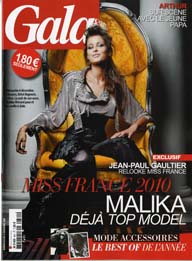
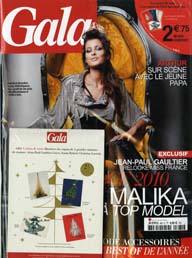
The one magazine that grabbed my attention was the German import Gala. The French Gala came in three different editions: the standard magazine with a 2.20 euros cover price, the pocket size magazine with a 1.80 euros cover price (which by the way is nothing but a proportional reduction of the standard size making everything smaller including the type, unlike the specifically pocket-size designed British Glamour), and a standard sized magazine with a cover mount of four Christmas cards and envelop designed by Jean-Paul Gaultier, Gucci, Sonia Rykeil and Christian Lacroix. The magazine and the cards costs 4.95 euros. Well, I bought all three identical magazines all sporting the new Miss France on the cover Malika Ménard. It is amazing that with the increase of the number of new magazines arriving on the market place, that some magazines want to create clones and then demand double the space on the retail floor for the same magazine. Will it work, and at what cost, is going to be the six million dollar (or euro) question.

The New Launches
My visit to the newsstands was really fruitful. I ended up with six new magazines ranging for those aimed at teens to the extremely well done Paris Living magazine. My first new magazine was TCHiK. A pocket sized publication that reminded me so much of Life & Style Weekly magazine combining celebrities, fashion and beauty. The name of the magazine seems to be a play on the word Chic, with a heavy TCHik French accent.

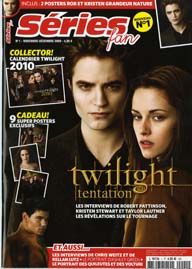
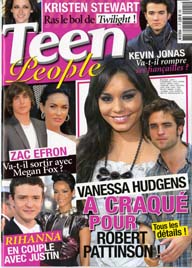
One of the biggest surprises that caught my attention was the second new magazine: Teen People. Yes, you read that right. A new magazine with an English name (remember Teen People magazine here in the United States) that deals exactly with what the now defunct American magazine: celebrities and more celebrities aimed at teenagers. The third new magazine called Séries fan capitalizes on the Twilight’s celebrities fame and names. In addition, it comes with 2010 Twilight “calendrier.” The amazing thing about all the aforementioned three magazines is the fact that they are all aimed to a group of people who the prophets of doom and gloom want us to believe they don’t read: teenagers.
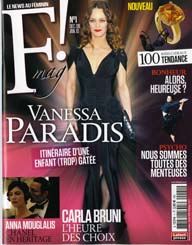
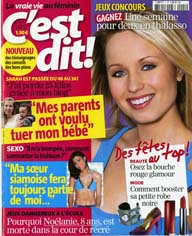
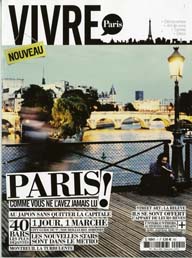
Moving up a notch, is the fourth new magazine I found: F! mag. The magazine’s tag line is “News from a Woman’s Perspective.” F! mag is a bimonthly magazine with a weekly look. And as with any French women’s magazine, you can’t escape the mandatory Carla Bruni, the First Lady of France, article adorning the pages of the magazine. New magazine number five is C’est dit! magazine. The tag line of the “It is Said” magazine is “The True Life of Women.” The magazine has a very striking resemble to a lot of the British supermarket women’s weeklies magazines. Keeping the best for last is the sixth new magazine that I gained on my trip to Paris: Vivre Paris. A coffee table magazine with a hefty guide to the city of Paris that promises to show you Paris as you’ve never “read it.” From street art to bars, the magazine provides the reader with a new look and perspective to the “city of lights.”

Well, my plane is getting ready to leave to my next stop: Beirut, Lebanon. I am happy with my loot from Paris, but I am happier that in few more hours the plane is going to lend in my birth country Lebanon. But, that will be the next segment of my ten-day-trip-around-the-magazine-world. Stay tuned.

To read the first report about this magazine journey click here.

h1

Ten Days Around the Magazine World: For Any One Who Doubts the Future of the Printed Magazine, READ ON! Today: Amsterdam, The Netherlands

December 22, 2009

I just returned to the United States from a ten-day-world-magazine-trip that took me to five countries in three continents: Europe, the Middle East and North America. My trip confirmed my doubts that people who made it their mission to predict the demise of the printed word have never been outside their little cocoons and thus have never visited the many newsstands of the world. My trip took me to Amsterdam, Paris, Beirut, Tripoli (Lebanon), Prague and back to Amsterdam and Memphis. The results three suit cases and more than 150 pounds of magazines. (Do not not even ask about the money I had to pay for the extra and excess luggage).

In the next few days I will be writing about each of those cities and the magazines I have encountered during my visits.

Today’s city is Amsterdam, The Netherlands.

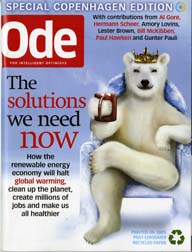
Aldipress, one of two national distributors in The Netherlands invited me to conduct a “speed seminar” to a host of their clients, publishers and retailers. My title of the seminar was “Ensuring a Print Future in a Digital Age.” The premise of the seminar was based on two basic beliefs: human behavior and the three ships that cruise across all of human behavior, and the need to create a “Must Have” rather than “Nice to Have” print publications. The three ships are Ownership, Showmanship and Membership. The “Must Have” publication must be necessary, sufficient and relevant to its audience. The seminar was a celebration of the world of magazines and the people who produce, edit, design, print and distribute them. At the seminar the publishers of Ode magazine handed me a copy of their special issue that was to be distributed at the Copenhagen summit. Ode, the magazine “For Intelligent Optimists” published the special issue on “The Solutions We Need Now.” The magazine urges everyone to “do the right thing at the right time: now.”

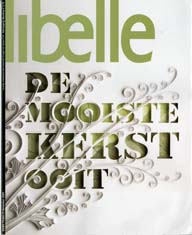
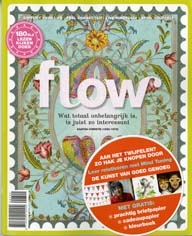
Later that evening Aldipress was the main sponsor of the “Mercur Tijdschriften Gala 2009” the Oscars of the Magazines World in The Netherlands. The winner for Magazine of the Year was G + J’s magazine Quest with its tag line Braintainment. The Editor of the Year was Franksa Stuy, the editor in chief of The Netherlands number one magazine Libelle, a publication of Sanoma Publishers. The Launch of the Year award went to FLOW the new, state of the art use of paper, magazine published by Sanoma Publishers to “Simplify Your Life – Feel Connected – Live Mindfully – and Spoil Yourself.”

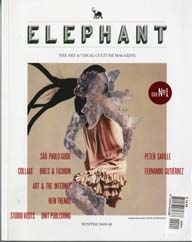
The visit to Amsterdam ended the next morning with a visit to the newsstands where I was able to find four new Dutch magazines and one British one. Elephant, the new British magazine about “The Art & Visual Culture Magazine.” The launch issue with its 204 pages costs $19.99. The magazine promises to offer “inspirational pages featuring up to the minute visual material, fresh faces and original voices.”

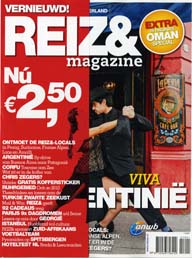
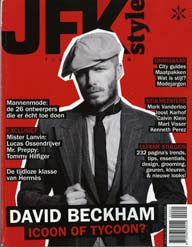
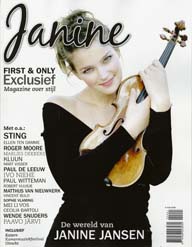
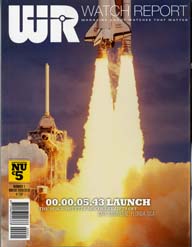
The four Dutch new magazines are: Reiz& magazine, JFK Style, Janine and WR Watch Report. Reiz& magazine bills itself as the biggest journey in The Netherlands. A travel magazine that is published 11 times a year and offers its readers a wide variety of destinations including a special 16-page section on Oman. JFK Style, a spin off of JFK magazine, the Dutch magazine for men that is named after the late U.S. President John F. Kennedy. David Beckham graces the cover of the classically designed black and red cover of the launch issue of the magazine. Janine, the magazine named after Violinist Janine Jansen, tags itself as the “First and Only magazine of Style.” The latest of a host of celebrity-named magazines on the Dutch market, Janine promises to offer a different kind of content that utilizes a host of celebrity names on its cover and in its presentation.

Last but not least is the WR Watch Review magazine with the tag line “magazine about watches that matter.” A showcase of watches in a presentation fit to a “king.” WR is NOT your everyday watch magazine. It offers a host of profiles, reviews and great photography starting from the double cover and all over its 178 pages.

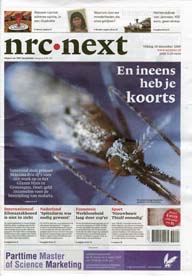
Needless to say, no trip to The Netherlands is complete for me without picking up a copy of the newspaper that I consider the example of newspapers-to-come NRC-Next. The paper that was started with the motto “News is free, information you have to pay for.” It is “A Must Buy” for me although I don’t speak a word of Dutch. As I board my plane heading to Paris, I feel a great sense of satisfaction: it has been a great visit to Amsterdam where the celebrations of the Mercur Gala Awards and the new magazines that were started in the last few weeks made my trip “necessary, sufficient and relevant.”

Stay tuned: next my magazine world at the Paris airport.

h1

“Keep it Simple” and Other Words of Wisdom from Food Network Magazine Publisher Vicki Wellington

December 10, 2009


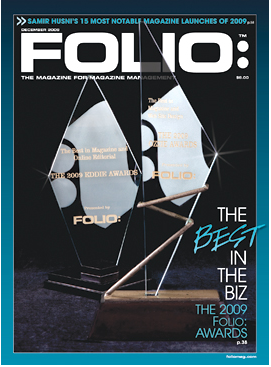
What advice does the publisher of the Most Notable Launch of the Year have to offer future magazine publishers? “Keep it simple,” says Food Network Magazine publisher Vicki Wellington. “A magazine, especially a new introduction, has to be truly unique,” she adds. “It has to fill a gap in the marketplace with content that engages readers and is delivered in exactly the way they want it to be delivered. In our case, that means with fun and friendliness.”
Read my entire interview with Vicki Wellington in the December issue of Folio magazine here.
h1

New Magazine Launches: November ’09 Was a Really Cold Month…

December 4, 2009

And I do not mean just the weather temperature, but rather the amount of magazines launched for the first time during the month of November 2009. Only 43 new titles made it to the nation’s newsstands compared with 89 titles in November of 2008. A drop of almost 50% from the same period last year.

There were 11 magazines launched last month with an intended regular frequency in 09. In November 08 there were 20 magazines with similar intended frequency. All the others were specials and one time shots.
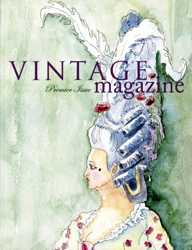
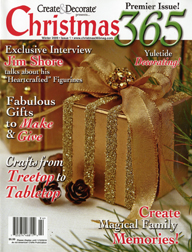
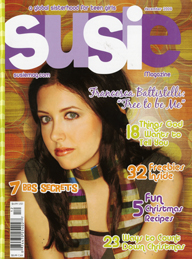
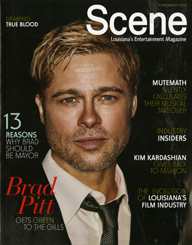
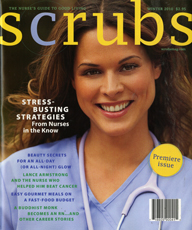
Some of the new magazines arriving for the first time to the nation’s newsstands show the quality only a print medium can only deliver such as the case with Vintage magazine. Another magazine takes an old topic such as Christmas and turns into a quarterly magazine celebrating (and aptly named) Christmas 365 days a year. Susie magazine, on the other hand, offers Christian teens an outlet to share their opinions and advice. The area where it is starting to show some recovery and growth is in regional magazines such as the new Louisiana magazine Scene. And last but not least, a new magazine celebrating the lifestyles and values of nurses called Scrubs.
So how are we doing so far this year? Well, according to the early statistics we had four months where the launches this year were more than last, and seven months where 08 saw more launches than 09. However, we have a total of approximately 650 titles so far, very close to the 685 total of 2008. Therefore, Dec. is going to be the deal breaker whether this year will exceed the number of new launches from last year or not. So keep your fingers crossed, continue to celebrate the newborns arriving on the market place and never lose hope in an industry that knows it is in transition and is finding ways to deal with that.

h1

Reader’s Digest to Mr. Magazine™: “We Will Transition to Deliver Content How, When and Where Our Customers Want it”

December 3, 2009


Earlier today Eva Dillon, President of Reader’s Digest Community and I had a good phone conversation in response to my earlier blog on the need to reinvent our magazine publishing business model. Ms. Dillon shared with me some of the ways Reader’s Digest is evolving and is addressing the future needs to one of the world’s largest print companies. Ms. Dillon, who is as passionate about the future of our industry as I am, if not more since she has more at stake than I do, wrote me the following letter explaining Reader’s Digest transformation and the plans for the future. What follows is Ms. Dillon’s letter in its entirety:

Dear Samir:

You make an accurate observation in “Must Have” vs. “Nice to Have” magazines: the print industry must transform to respond to the changing media landscape as consumers increasingly want and get their information from multiple sources.

I must point out, however, that you challenge us to come up with a transition plan, one which we (Reader’s Digest) have made public (see Mediaweek, Folio, Delaney Report, Minonline, Mediapost, Crains, DM News), yet then point to elements of that transformation — such as going from 12 to 10 issues a year in order to transition content to digital options — as ills that will result in our demise. With all due respect (and I do mean that), you are talking out of both sides of your mouth.

As the largest circulation magazine in the world with 50 editions in 22 languages generating hundreds of millions of dollars in revenues and healthy margins, I challenge your declaration that “none of the three magazines make much money from their subscribers.” We do. Lots of it. Eighty percent of Reader’s Digest’s revenues come from subscriptions, not advertising. That said, Reader’s Digest has significantly out-performed the advertising marketplace which ended the year collectively down 21% in ads vs. RD’s 7% decline. Seven percent down is the new up in this economy. And to your assertion that we “did not have too many ads in previous months,” Reader’s Digest had more ads in 2009 than 70% of the magazines measured by MIN. You also single out the three magazines as charging a dollar per issue for subscriptions. This is a standard intro offer across the vast majority of magazine publishers, and certainly not the model for the larger part of our (RD’s) sub file, so your point on this front is not well made. Certainly, the fact that consumers do not pay for broadcast or internet (or this very newsletter) does not mean they don’t value the content. Today’s bigger question is how all media will find new models that are not over-reliant on advertising revenues as their sole source, a process we have begun with our own transformation plan.

And finally, to respond to your overall premise about “Must Have” vs. “Nice to Have” magazines: Reader’s Digest continues to have 5.5 million subscribers, one of the top 3 paid magazines in the country. Last year the magazine won the American Society of Magazine Editor’s prestigious General Excellence award. Our subscriber satisfaction and renewal rates are up, as readers focus on the back-to-basics values that have always been key to our appeal. Most important, our brand has long been much more than a magazine, with books, video and music collections that do well for us all over the world, now supplemented with a global website platform being rolled out in 40 countries. With our unique global reach and a culture of sharing content across borders, we have every expectation that we will continue to be a lucrative and relevant brand, and will make a successful transition to deliver content how, when and where our customers want it.

Eva Dillon
President, Reader’s Digest Community

h1

An Industry Gone Mad: Annual Magazine Subscriptions for $5!

December 1, 2009

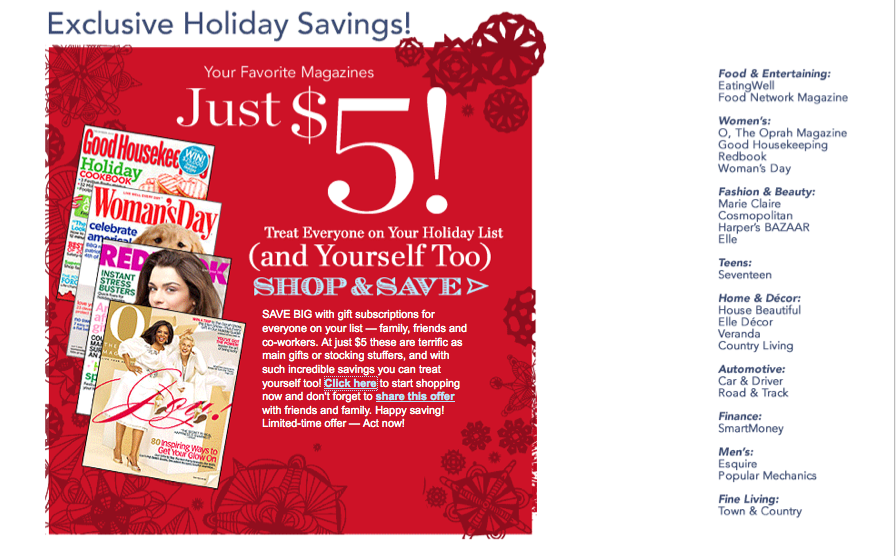
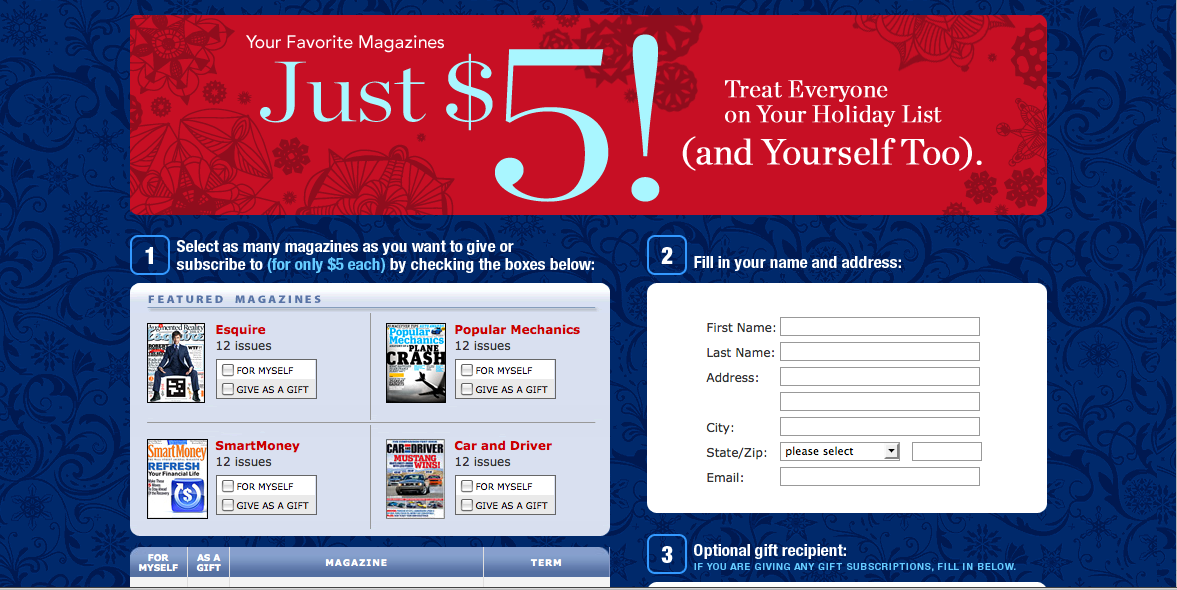
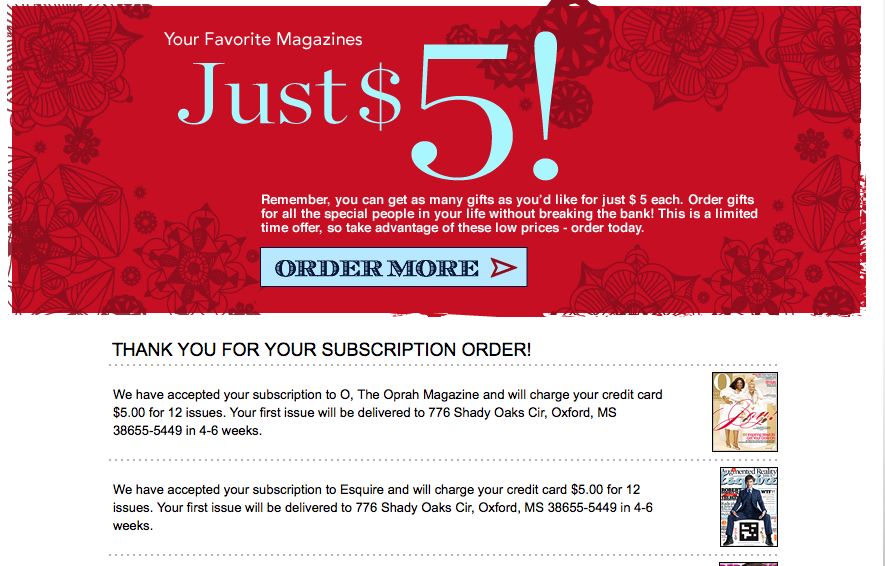
Yesterday, and right after I wrote my blog about “Must Have” magazines rather than “Nice to Have” magazines I received an e mail inviting me to accept a great limited time offer to subscribe to a few magazines for a mere $5 each. I ordered 18, yes 18 magazine-subscriptions at a hefty cost of $90. Don’t rub your eyes, you read and saw that right. 18 magazines for less than a crisp C note (that is a $100 bill for the novice). What is wrong with that picture? A lot. Call me naive, but are we really still dreaming that the ad revenue is going to come back en force and we will go back to counting customers rather than finding customers who count?

How can you create a “Must Have” magazine when you are only charging $5 for an entire year? It is almost the price of one issue of some of the magazines offered in this “holiday special.” In an amazing, yet no longer surprising, this subscription solicitation comes from two major competing magazine companies: the Hearst Corp. and HFM. They joined forces for this “holiday offer.” This amazing deal contained all the magazines published by both companies. The list included such magazines as O, The Oprah magazine, Elle Decor, Woman’s Day, Good Housekeeping… you get the picture. The only magazine that offered half a year instead of a full year for the $5 cost was Elle magazine.
Take a look at the pictures from the offer and judge for yourself: Are we going nuts or there is some rhyme and reason behind the madness. I, for one, think we are still operating in the same state of coma that hit our industry in September of 2008. Every time I see signs of hope from this media company or the other, something big, such as this great offer, kills any signs of hope and tells me that we are still in a deep deep coma. A year for $5 is not a good recipe for success. Feel free to differ!

h1

As some major magazine brands hibernate this winter, it is time to reinvent our business model and create the “Must Have” rather than “Nice to Have” magazines

November 29, 2009

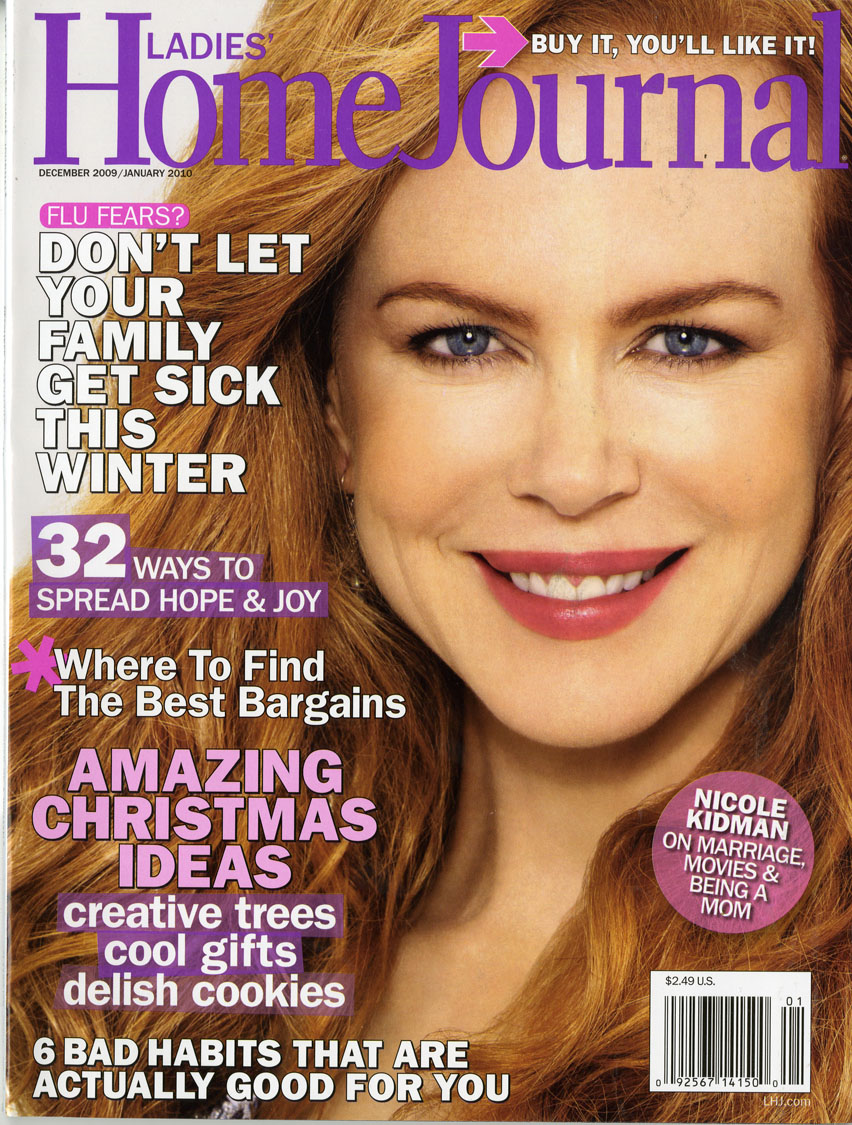
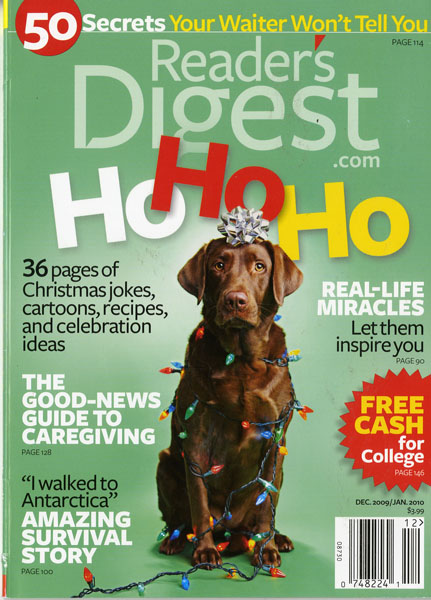
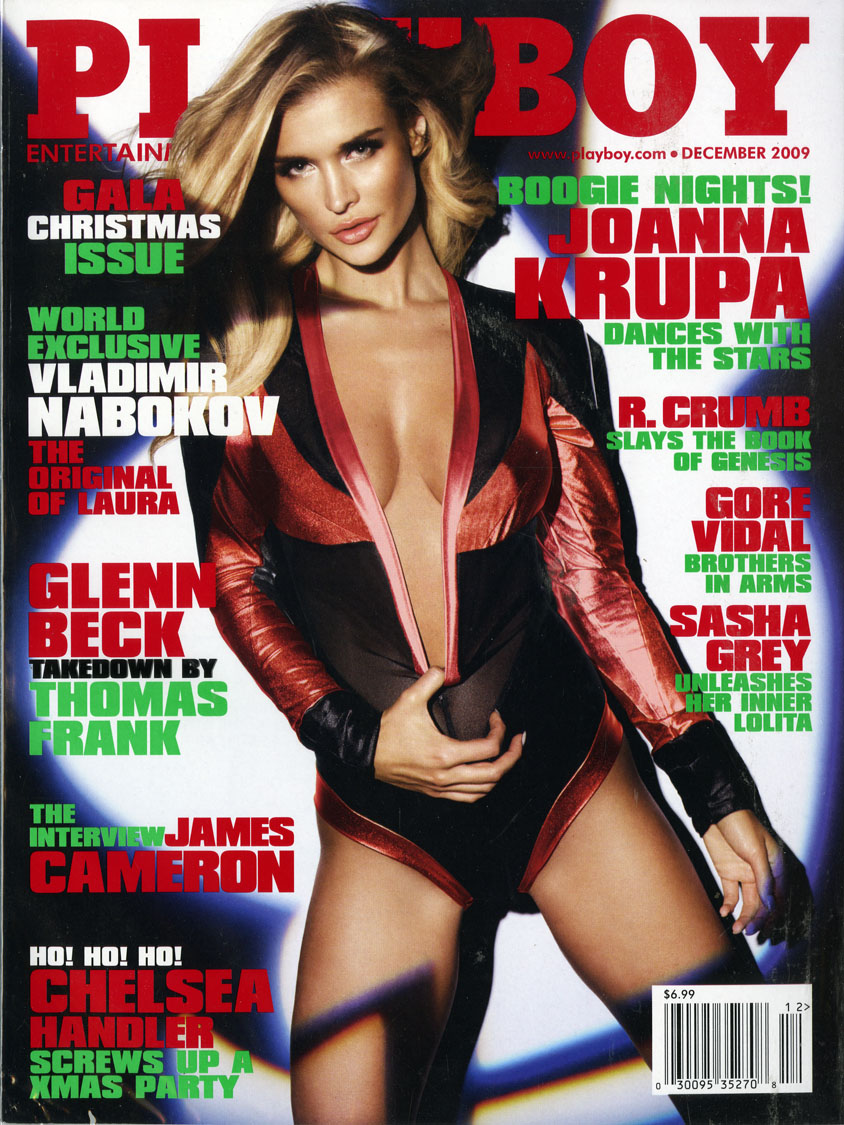
Three established brands are entering a period of hibernation this coming month (and, unlike bears, they did not have too many ads in the previous months that they had to hibernate, but rather just the opposite). All three brands, Ladies’ Home Journal, Playboy and Reader’s Digest, are skipping their January issues and combining them with the December one to create one double issue. Is it a sign of the times or is yet another proof that the current American business publishing model that depends on advertising as THE major source of revenue for most magazines is no longer working? A quick look at the prices all three brands charge their subscribers should be enough evidence to illustrate that non of the three magazines make much money from their subscribers. None charges more than a dollar, if that, per issue for a one year subscription. Does it really takes a genius or a Ph.D. in economics to figure out that the subscription price is not bringing any “real” money to the bank accounts of the aforementioned magazines?

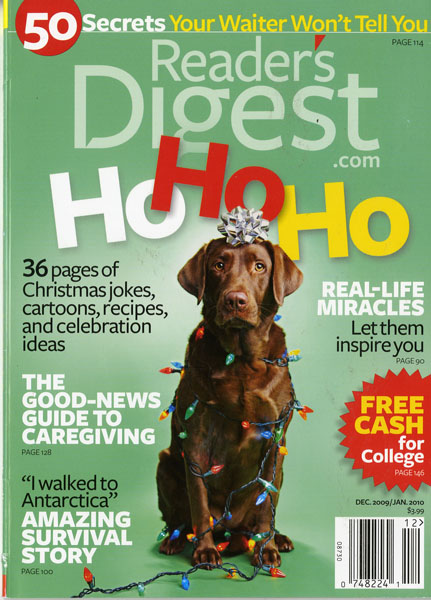
I do not believe that the issue is a choice of either and or, but rather the problem is all. It is a sign of the times for all three magazines and it is the economic model of publishing. If you take a look at the three aforementioned magazines and ask yourself the simple question of what are those magazines offering their readers that is so unique that they can’t find any other place, what would be your answer? Take a look at the covers of all three magazines and tell me where is the WOW factor? What makes you pick up a magazine, and specifically these magazines, from the nation’s newsstand? Fighting the flu? A dog celebrating Christmas? Or yet another celebrity showing a little bit more of herself?

On today’s crowded newsstands, and in this media age, the room for good enough magazines is slowly, but surely eroding. The creation of a necessary, sufficient and relevant publication is, now more than ever, the only way to survive in this and any economic media climate. We can no longer afford to have a “nice to have” magazines. We are entering the age of the “Must Have” publications, that is if we are interested in survival. All three magazines have been lately experimenting and testing different versions of their covers, different designs and different content and content presentations. The goal is one: stop the bleeding circulation, reinvent the brand and last but not least stay relevant. Will it work? Well, if we keep in mind that brands, like humans, while aging, may have a face lift, a botox shot here and there, and some plastic surgeries that may add a nicer appearance to them, yet as we know for sure, all the plastic surgeries will not prevent humans from dying. So rather than fixing the problem with some cosmetic surgeries, why don’t we look at the real problems and attack them. Ask yourself the simple question, What makes my magazine needed, wanted and desired by my readers? If you can answer that, than add the six-million dollar question to your answer, “How much are readers willing to pay for the magazine?” If your answer does not cover the cost of the creation of the magazine and the cost of delivery, then you are better off pulling the plug on your magazine title and creating another magazine that can provide better answers to the aforementioned questions. We have to accept the fact that magazines are like humans, there is a time to be born and a time to die. Our customers have way too many options for them to choose from, so if you are not creating a unique magazine with unique content for a relevant audience, you can rest assured that you are not doing yourself a favor and that you are trying to avoid the unavoidable.

We are living the media age, and we have to be different and relevant to stay alive. Any other combination is not going to work. So as you hibernate this winter, try to reinvent your business plan as you reinvent your magazine. In marketing, folks always look for a Unique Selling Proposition ( USP). In journalism, we are always looking for Unique Selling Features (USF). What is yours and how much is it worth to the customers (readers) first and the advertisers second. The answer to that question may hold the key for your future success.

I would love to hear your comments on the aforementioned magazines and on the future of our business in general. Do you think our American business model is still viable? Can we continue to create “good enough” magazines? Which magazines do you consider “Must Have” publications. As the media landscape changes, we better be ready and willing to change and create publications that our readers not only want, but rather are willing to pay for to get what they want.

h1

Happy Thanksgiving From Mr. Magazine™ to Y’all

November 25, 2009


Wishing each and everyone a happy Thanksgiving this holiday season. I have so much to be thankful for. I have been blessed by a loving family, colleagues who understand me and, last but not least, hundreds of friends in the magazine and media world here and around the world. So, to one and all, have a great Thanksgiving and enjoy your turkey. All the best, Samir.

h1

Another Myth Shattered: Kids Don’t Read Cobblestone Magazine, the History Magazine for Children, Celebrates 30 Years of Publishing

November 23, 2009


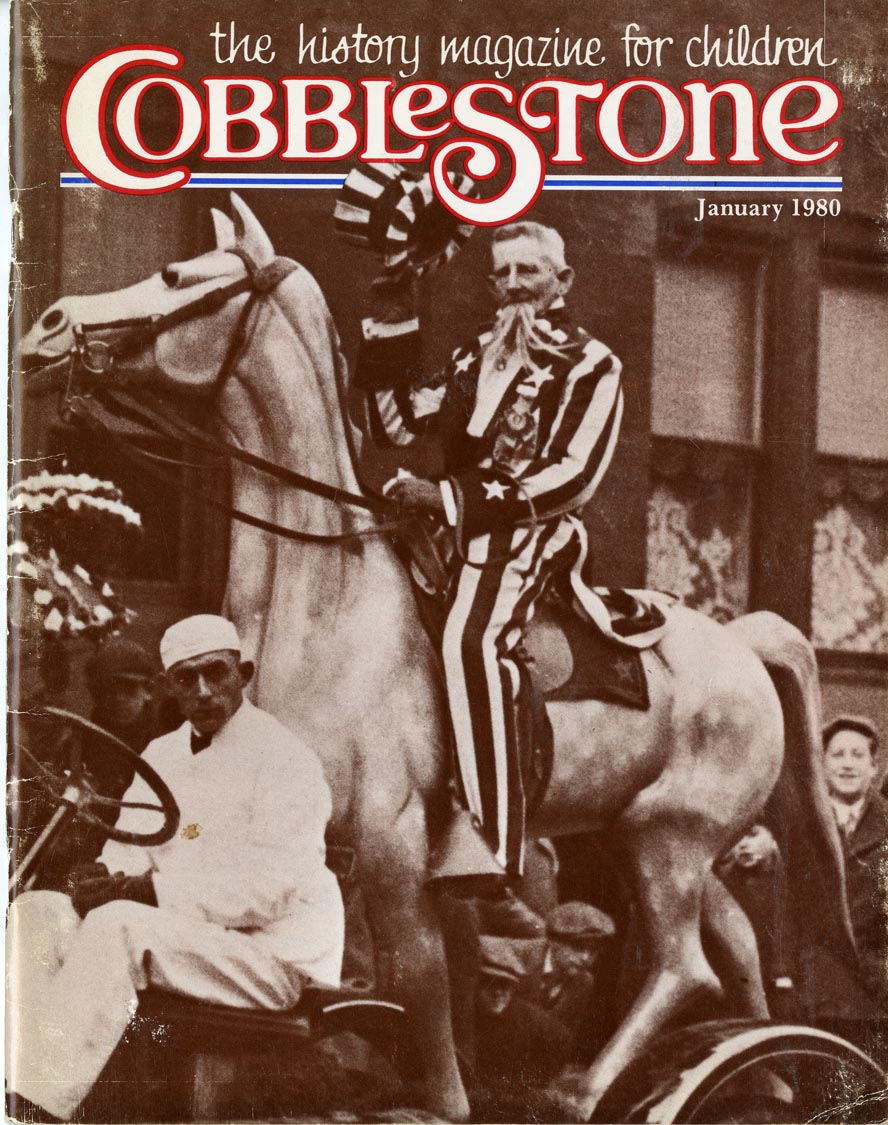
Kids don’t read. That, in short, is myth number one that you hear day in and day out. And if you are willing to believe myth number one, then for sure you will believe myth number two: even if kids read they do not read history magazines. Well, the funny thing about both myths is just that: they are myths. Kids do read and kids have enjoyed reading a history magazine aimed at them called Cobblestone for almost 30 years.

Cobblestone magazine was founded by two New Hampshire women, Hope Pettegrew and Frances Nankin, in January of 1980. They wrote in the introduction to the first issue of the magazine, “Month by month we will be traveling together around our country, visiting the different people, places and events which have played an important part in our history.” The magazine is now part of the Carus Publishing group and this coming January will publish its 30th anniversary issue celebrating 30 Greatest Americans.

I asked Lou Waryncia, Editorial Director of Cobblestone Publishing, five questions regarding the magazine, kids’ reading habits, the future, the impact of technology and the status of children’s magazines in what can be described a “collective Attention Deficit Disorder society.” What follows is the Mr. Magazine™ Interview with Lou Waryncia:

Samir Husni: With the internet taking off faster than a speeding bullet, and digital technology moving printed magazines and books out of the front page news, do you think the end is near for children’s printed magazines?

Lou Waryncia: I do not think the end is near for children’s magazines. I’m a firm believer that print will be around for a long time. Certainly technology is changing the magazine industry, and we’re all trying different ways to co-exist with these changes. But magazines still have a place with children (and adults). We get letters from children all the time saying how much they enjoy their magazines. Getting that magazine in the mail (with their name on it) is still a big deal to most kids. I had a mother tell me recently (and this isn’t the first time) that her son hides himself away in his room and reads his magazine cover to cover the moment it arrives. That one-on-one connection is real.

SH: Do you know whether it makes a difference for kids to read from a laptop, digital device or a printed magazine or book? Any studies you are aware of?

LW: The only study I’m aware of is a 2007 report from the National Endowment for the Arts that indicated a drop in test scores was due to a decrease in the amount of time children read. It brought up the point that kids are reading elsewhere, other than books and magazines, but gave no conclusions on what type of reading is best for kids. Does it make a difference where kids read? I think it depends on the child. I read books, but I was not a big book reader as a kid, but I devoured magazines. I think it’s the same for kids today. There are just more choices today. I think magazines have the capacity to compete with the Internet and other digital devices because of the variety of content and due to great graphics and design.

SH: Cobblestone is celebrating 30 years of publishing and is continuing to focus on history for young kids, do you think that the so called “collective ADD society” can still focus on history and its role in our lives?

LW: The longevity of our magazine proves that kids can and will focus on history if it’s written and presented to them in a way that they find interesting. Cobblestone has grown and changed with the times to make history fun as well as informative. Our goal is to show kids that history has an important place in their lives because it defines who they are and where they came from. Understanding history is a very important part of being a good citizen. Will all kids enjoy Cobblestone, no. But that’s true with any magazine. Yet I think we do a good job of making the subject matter enticing, and I hope entertaining, to a wide audience.

SH: Where do you see the future for all Carus’ magazines? Have you been growing? Steady? Declining?

LW: This has been a tough year for us as a publishing company. But we’ve remained fairly steady in terms of circulation. No dramatic decrease in circulation among our company’s 14 magazines. And we’re non-advertising based. Our subscription rates are higher than other magazines and pay for the publications. One reason I believe we continue to be successful is that parents, grandparents, teachers, and librarians value our magazines and want to get them into the hands of their children. Adults will skimp on themselves, but will still buy items, such as our magazines, that they believe are important for their children. People make a commitment when they buy our magazines.

As to the future, I hope to be around for Cobblestone’s 40th anniversary. And I feel strongly that my company’s magazines will still have a place in the lives of children. Will there be changes, or interactions with technology, definitely. We’re still trying to find our place on the Internet. And will we deliver our content in different ways? Definitely. But I believe we’ll still be flipping through print magazine pages as well.

SH: Will it matter where your great content is consumed? On the screen or on the pages of the magazine?

LW: Ultimately, I don’t think so. Good content is good content. But I think the experience is different. And people respond to media differently. Attention span and the amount of value one places on a medium, or what someone simply likes better has a lot to do with how content is consumed. Studies will eventually tell us if reading on a screen is different, better, worse, or equal to print. I wish I knew the answer. But as in most media battles, everyone seems to find a way to coexist. I believe the magazine will still be an important part of children’s lives for some time.

h1

Innovation in Print: Three Magazines that Count …

November 19, 2009


What would you call a person who is willing to pay $20 for a single issue of a magazine? A customer who counts. This last week I bought two magazines, Vintage and MyMag that I paid $20 and $10 for a single copy for each respectively, and I did that gladly. A third magazine (which is on its way to me) that also counts is the Dutch magazine O.K. Periodical, the design oriented magazine from The Netherlands. All three have one thing in common: innovation for customers who count and not just count customers together with the best usage of technology to amplify the printed product.


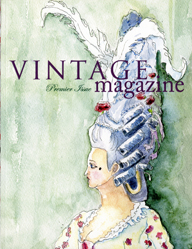
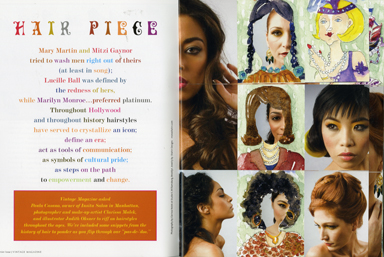
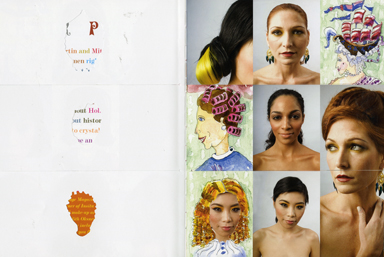
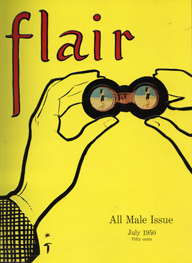
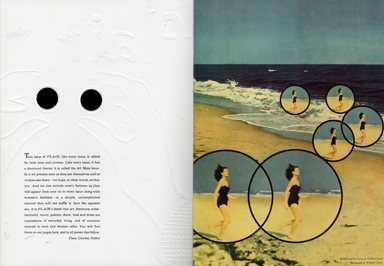
Vintage magazine‘s premiere issue is a printed beauty to hold. The magazine, modeled after the famous Flair magazine of the 50s (which by the way, I have every issue of), uses various different types of paper, die-cuts, fold-outs and is sewn together rather than stapled or glued. Each page explores the “possibilities of print, font, color, photography, and texture…” The magazine is the brainchild of Ivy Baer Sherman who was inspired to create Vintage magazine by Fleur Cowles who published and edited Flair in 1950 -51. Vintage magazine is worth every penny of the $20 and can be ordered at the magazine’s website here.
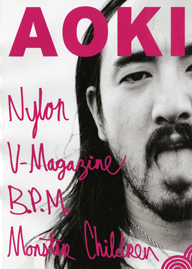
MyMag on the other hand, is the $10 an issue new magazine founded by Mangus Greaves, Phil Rugile and Warren Noronha. Each issue of MyMag uses a celebrity to scan the available media in order to create a magazine that addresses the desires of that celebrity. So, if you are a fan of Steve AOKI, you will love the first issue of the magazine that AOKI put together for you. For a visual and voyeur society, what best can bring you the thoughts and actions of a celebrity right there to your mailbox. MyMag is sold on the magazine’s website here and can ordered on an issue by issue basis.


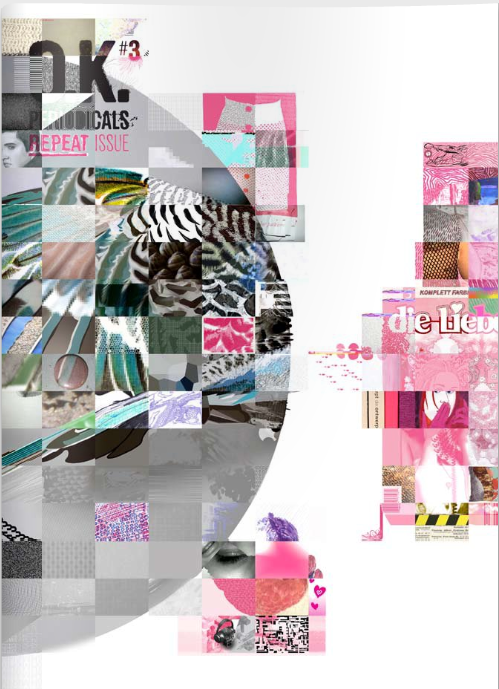
O.K. Periodicals third issue is themed Repeat. The Dutch independent design-magazine, shows the world’s first crowd-sourced magazine cover. A brilliant idea of using technology and digital to create a print product that would have taken ages to do in the golden olden days. “Hundreds of people have made their contribution by designing a small part of it,” says William van Giessen on behalf of the editorial team of the magazine. He adds, ” The bizarre yet unique reproduction underlines the power of the online network.” The magazine, published twice a year, launched their third issue in Berlin to celebrate the “on and off line celebration of media.” The issue can be ordered from the magazine’s website here.
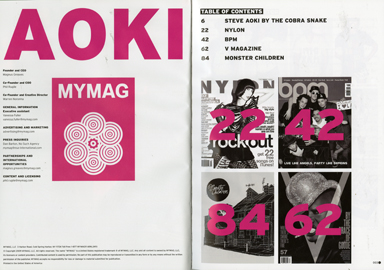
The aforementioned three magazines are nothing but a tiny example of what innovation can do to preserve print and the role of print in a fast moving technological and digital age. It is another reminder that we must use technology to amplify the future of print and not just vice versa. We have to continue to explore and expand our ways on how to reach our relevant customers through the relevant media without the need to sacrifice one on the alter of the other. Our future is not going to be either or, but rather, all.