Archive for the ‘News and Views’ Category

h1

The Future of Print and Digital According To Bo Sacks. The Mr. Magazine™ Minute

October 28, 2013

My friend Bo Sacks, of the bosack.com fame, is the first one to tell you he is biased and opinionated. Lately he has been attending one magazine media conference after another. And, after each conference Bo is firing or, I better say, ranting and revetting relentlessly about the ills of the industry’s conferences.

I caught up with Bo in New York City on the eve of the Folio: Media Next conference and I asked him about his latest rampage regarding the American Magazine Conference and the speech by Mary Berner, the MPA president and chief executive officer. Here are his answers in this Mr. Magazine™ Minute.

So here you have it. What do you think?

h1

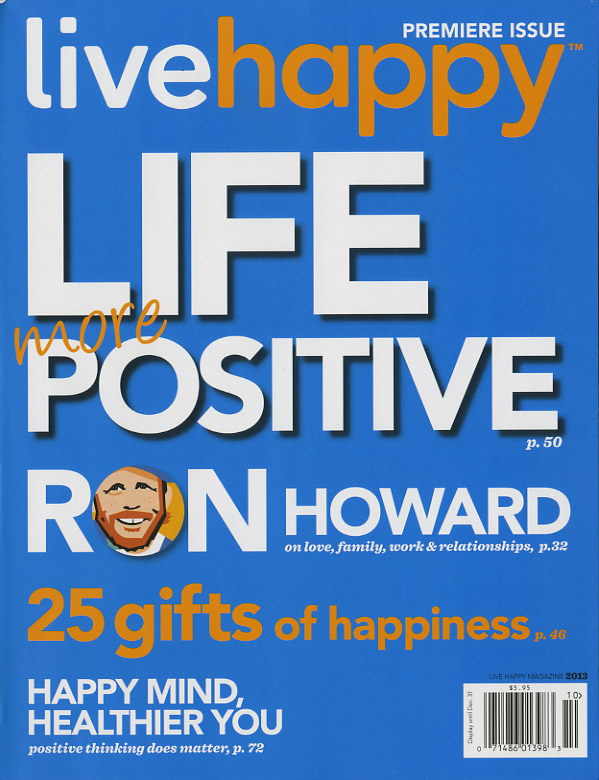
Live Happy Magazine: Happiness Finds Its Way to Print. The Mr. Magazine™ Interview with Editor in Chief Karol DeWulf Nickell.

October 28, 2013

Live Happy – Print Magazine, Website, Movement – Brand. Happiness Is Not Just An Old Adage Written On A Plaque In Your Mother’s Kitchen Anymore – It’s A Science Now And There Is Now A Magazine To Dispense Its Findings! Mr. Magazine’s™ Conversation With Editor-in-Chief Of Live Happy Magazine – Karol DeWulf Nickell.

reg 48 It’s a given that we want to “Live Happy.” On that, I think we can all agree. Now there’s a magazine out there that is going to help us scientifically learn how to do it and show us data that not only backs up the old adage Mom used to wish for us, but proves that the endless quest isn’t as incessant as we might believe.

From her experience at Better Homes and Gardens, Fresh Homes and the home and gardening group at Reader’s Digest, Karol DeWulf Nickell is now learning to “Live Happy” as Editor-in-Chief of the magazine by the same name. She talks with Mr. Magazine™ about the print magazine, website and the Live Happy Movement.

But first, the sound-bites:

Sound-bites:

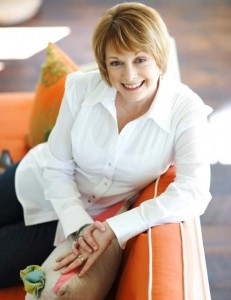
Karol N Headshot-1On why Live Happy Magazine is not just a print title but a brand as well:
It’s very difficult to launch a traditional magazine with only two streams of revenue, circulation and advertising. So this magazine is not just a magazine, it is a whole brand.

On the role of the print magazine within the Live Happy brand:

The role of the magazine is obviously to be the first thing a customer sees.

On the value that Live Happy Magazine provides consumers:

So it’s the science of happiness that is new and what has not happened up to this point is there’s been no translator of that science to the general public.

On how Live Happy Magazine standing out in a crowded, mature marketplace:
If you look at our cover, you’ll see immediately that it stands out. We have snapshots of newsstands all across the country already and we are placed very well beside either lifestyle magazines, health magazines or food magazines. And we stand out.

On the versatility of Live Happy Magazine:
I think that this (concept) translates very well to digital, to web, to social media and apparel. So think it’s very translatable. I think print, in our case, is a lead vehicle, it’s going to be an essential vehicle, but it is one within a group.

On the important of science within Live Happy Magazine:

When you look at the magazine and you look at the number of science articles in the first issue, our first issue has 70 percent science and 30 percent lifestyle. We did that deliberately because we think that a lot people won’t have known about positive psychology.

On potential stumbling blocks for Live Happy Magazine:

I think Live Happy is going to have to very quickly explain itself. We are not a magazine of just feel good stories. This is real data. This is real science. We have to be able to explain it real quickly and to get our message out.

On what keeps Karol Nickell up at night:

Well, I am building a magazine at the same time I’m building a staff so I think that those two very, very essential responsibilities are keeping me up at night.

And now the lightly edited transcript of Mr. Magazine’s™ conversation with Live Happy Editor-in-Chief, Karol DeWulf Nickell.

Samir Husni: Launching a new magazine in this “connected digital age” about happiness; the first thing that people will ask, is are you out of your mind or are you happy to do it?

Karol Nickell: It’s very difficult to launch a traditional-model magazine with only two streams of revenue: circulation and advertising. So this magazine is not just a magazine, it is a whole brand. We have a live website which is part of the launch. But we also have a happiness movement and this movement will in time also provide different customers and different avenues of revenue to be a part of the brand. That kind of multifaceted magazine base is important; the magazine driven brand today is different than the old model.

SH: What role does the printed magazine in this model play?

KN: The most important thing is that it’s a fresh face out there. So we launched this week as you now. We printed 500,000. You’ll see us all across the country. It is truly a country-wide launch.

We will be doing what you consider to be a monthly rollout again in 2014, so this is a soft launch and then we’ll have monthly circulation starting in 2014.

The role of the magazine is obviously to be the first thing a customer sees. And she and he are people who care about other people, who like to live happy. So that kind of describes a lot of us. So we think the audience is large, we think that’s it’s international, we think it’s non-generational and we think that it’s very much a positive statement in a world where some negativity can cause stress and cause life to be less than happy.

SH: With your experience at Better Homes and Gardens, Fresh Homes, the home and gardening group at Reader’s Digest and with all these magazines, there are a lot of competitive titles in the marketplace. Why do you think no one has come up with a Live Happy Magazine before with the need for happiness that we have since we live in a much more stressful world?

KN: That is the question I asked myself when I was asked to consider this role. The beautiful thing that’s happening here is, people wanting to live happy is not a new deal. Your parents wanted to live happy and they wanted you to live happy. Their parents wanted to live happy — it’s not a new deal.

However, what is new is that positive psychology has come into the idea of positive emotion, positive thinking and now that has provided us with new data and how the body, both mind and physicalness, can come together and help people understand what’s going on when you have a happy moment and what’s going on when you feel stressed.

So it’s the science of happiness that is new and what has not happened up to this point is there’s been no translator of that science to the general public. People who are in positive psychology and the other related scientists are well versed in this. It has been 20-some years since Martin Seligman sat on the stage and said, “We really need to think positively versus negatively as psychologists.”

However, that bubble is still a bubble and so now with the magazine and a brand and a consumer positioning in the marketplace, that science is being adapted and translated to the general public.

SH: So what are some the challenges that you will face so you won’t be lost in the translation of that science of happiness?

KN: I think that is a big challenge, but it’s a challenge that anyone faces when they’re out there because we’re in a very crowded, mature marketplace.

If you look at our cover, you’ll see immediately that it stands out. We have snapshots of newsstands all across the country starting with Monday already and we are placed very well beside either lifestyle magazines, health magazines or food magazines. And we stand out. Hudson, when we talked to them about this magazine, said that anything that has happy on it really sells.

So we think the consumer poll is going to be very strong, we think we’re unique within the marketplace and we think we have a really solid product and positioning.

SH: You said you wanted the print magazine to be the first thing that the customer, your audience will see. So how important is print today?

KN: I think that print will always be important. I think that in some cases some brands need print more than other brands. In our case, it is truly just a first step. I think that this translates very well to digital, to web, to social media and apparel. So I think it’s very translatable. I think print, in our case, is a lead vehicle, it’s going to be an essential vehicle, but it is one within a group.

SH: So within this entire science of happiness, what’s been the most stressful part of creating a Live Happy Magazine or has it been one happy, smiley road so far?

KN: When you look at the magazine and you look at the number of science articles in the first issue; our first issue has 70 percent science and 30 percent lifestyle. We did that deliberately because we think that a lot people won’t have known about positive psychology.

So then we have brought the story of positive psychology in the story that starts on page 50, we actually explain how these two sciences met randomly on a beach and started a conversation. I mean this is really an incredible and unlikely story.

We really wanted people to understand that this is based in science and it’s also based in years of science. It has the founders like Martin and Michael, but it also has young stars like Barbara Fredrickson and Sonia. It is not a difficult science. People are just observing what people do and they are putting it into the matrix of research and bringing back data and that data is easy enough to understand but it is not usually in the everyday conversation. We hope to put it into the conversation of every day.

I just attended a positive education summit in the UK. Positive psychology has been applied in schools, especially in the UK and Australia. Those schools have results five years in the making that show kids actually excel when character strengths and positive emotions are laced into the curriculum. So there’s really remarkable things happening and we need to know about them.

SH: How can you apply that positive psychology to the role of the editor today? In this world, and I’m sure you are familiar with all the doom and gloom articles about journalism, editors and the role of the media; did that affect your role 10 years ago when you were the editor of Better Homes and Gardens? Is it any different now being an editor of a magazine than what it used to be?

KN: As an editor of Better Homes & Gardens, I was responsible for stories that talked about happiness and talked about positive psychology, so I was very aware of it.

However, that was not the core category. This magazine being dedicated to it cover to cover is unique. That is different for me in this role. However, I truly believe and always have the idea that you have people in your life who inspire you. You have people in your life who show resilience.

The point is, these are things that we witness, we know. Now science is backing this up and showing how that actually happens and how you have a decision to make in your own life to be resilient, to be happy and to give happiness to others. There’s a story on page 66, The Good Guys Win, it’s actually based on research and basically it showed two professors at The University of Michigan and they have actual data that shows that when you have compassion and virtue at work, that business is better on the bottom line.

These are real things, it’s not just a good thing to do, but these are real positive results of people doing the right thing. That’s a great message.

SH: How does that message impact the messenger, in this case, you?

KN: This is the way I’ve approached my own life and my own business. This is the way that I also get inspired and continue to work hard in a very hard industry. So I really feel like this is integrated. I think it’s a discovery.

For example, I have a young gentleman who’s working with us. Magazines are not his world, he’s an IT guy. I was explaining to him some of the content that was going into the magazine about three or four months ago and he kind of put his hand up to his face and said, “Stop Karol, that’s enough.” And then he said, “You know Karol, I’m glad you’re telling me this but it really doesn’t matter — content just doesn’t really matter.” I said, “OK, fine.”

I came back after three weeks of being on the road. The first issue is now out. He’s read the magazine a number of times because he manages all the files. He turned to me and said, “Karol, my life has been changed by reading this magazine. I get it.” So that to me is amazing. There’s a story for how this might indeed change someone and have a positive result.

SH: What’s the major stumbling block that’s going to face Live Happy?

KN: I think Live Happy is going to have to very quickly explain itself. We are not a magazine of just feel good stories. This is real data. This is real science. We have to be able to explain it very quickly and to get our message out.

SH: My last question to you… What keeps Karol up at night now?

KN: Well, I am building a magazine at the same time I’m building a staff so I think that those two very, very essential responsibilities are keeping me up at night, but I also know that everybody that we’ve had on this team are wonderful and dedicated and I feel very confident that after the first issue is out, the second one is going to be even better.

SH: Any last words of wisdom you want to share with the world out there about happiness or about Live Happy?

KN: I think the important thing is please take a look and please go to the website and please join the movement. The movement is really essential to the fact that happiness starts with you. This magazine is not about stars and experts; it’s about the individuals and that I think is the best message. Happiness starts with you.

SH: Thank you.

h1

There is Nothing Lean about the Food Network Magazine Sans Its Team. Mr. Magazine’s™ Delectable Conversation with Vicki Wellington, Publisher, Food Network Magazine.

October 22, 2013

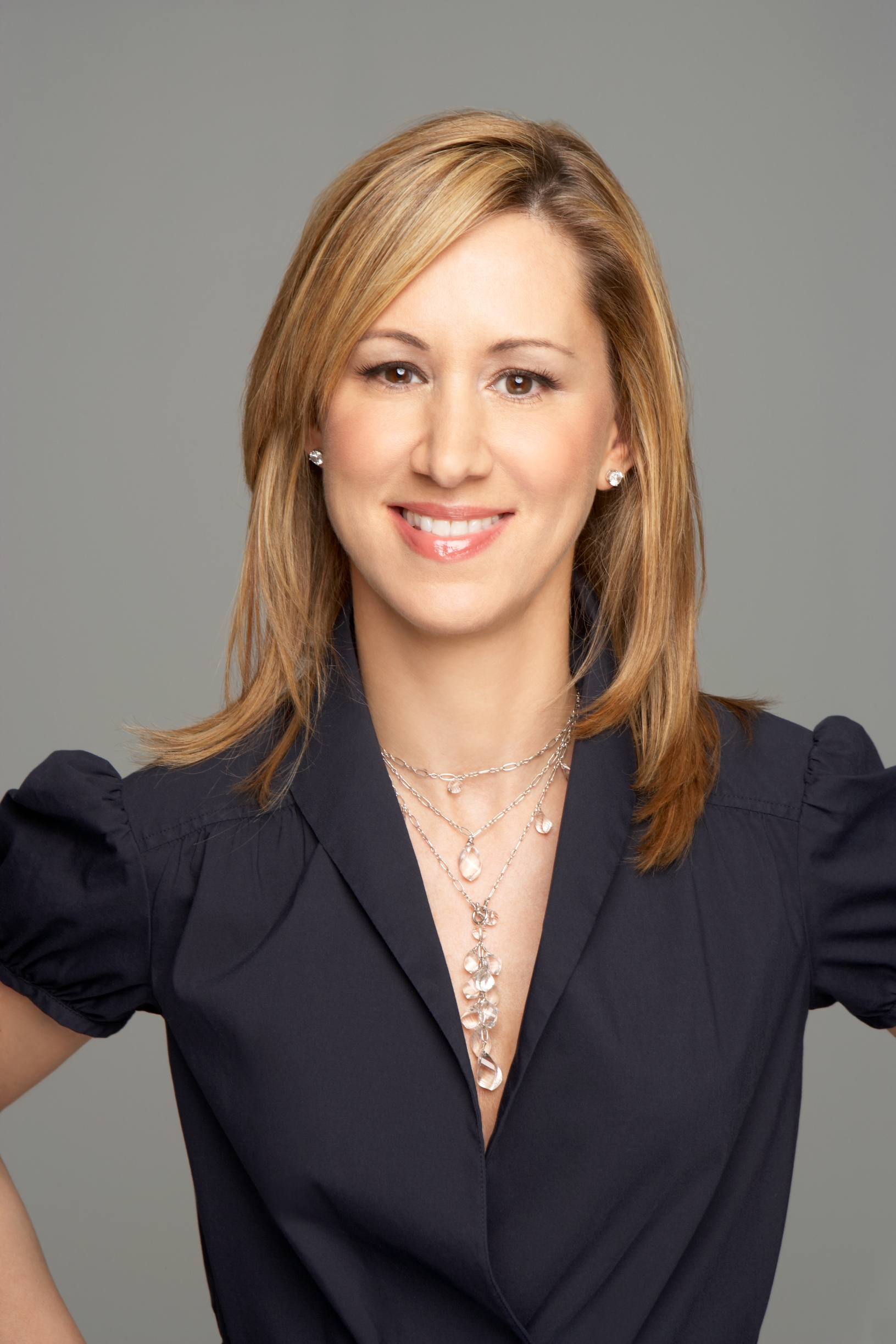
Vicki Wellington 2 Before there was Dr. Oz, The Good Life and HGTV magazine, there was the Food Network Magazine… It is not the first magazine born from the womb of a television network, but it is the first such successful magazine, if not THE most successful magazine launch in the last five years. Born in the midst of one of the worst economic times; the magazine has increased its rate base 11 times so far and is not showing any signs of a slowdown.

The woman behind the magazine is Vicki Wellington, vice president, publisher and chief revenue officer of the Food Network Magazine. Ms. Wellington was my guest at the CPR for Magazine Media held in New York City last month.

Who says you can’t publish a successful print magazine in this digital age? Certainly not Mr. Magazine™ and even more certainly not Vicki Wellington!

And for your savory enjoyment, here are the sound bites and highlights from her conversation with me and the audience at the CPR for Magazine Media conference in New York City on Sept. 25:

On why print is still relevant today:
How many times have you heard that traditional media is dead? Television, magazines, radio, you name it. They are still here and they are relevant to consumers. It’s that content that keeps each media platform relevant and for those of us in magazines, our challenge moving forward is looking for and finding the big ideas, the new and exciting ideas that consumers are looking for.

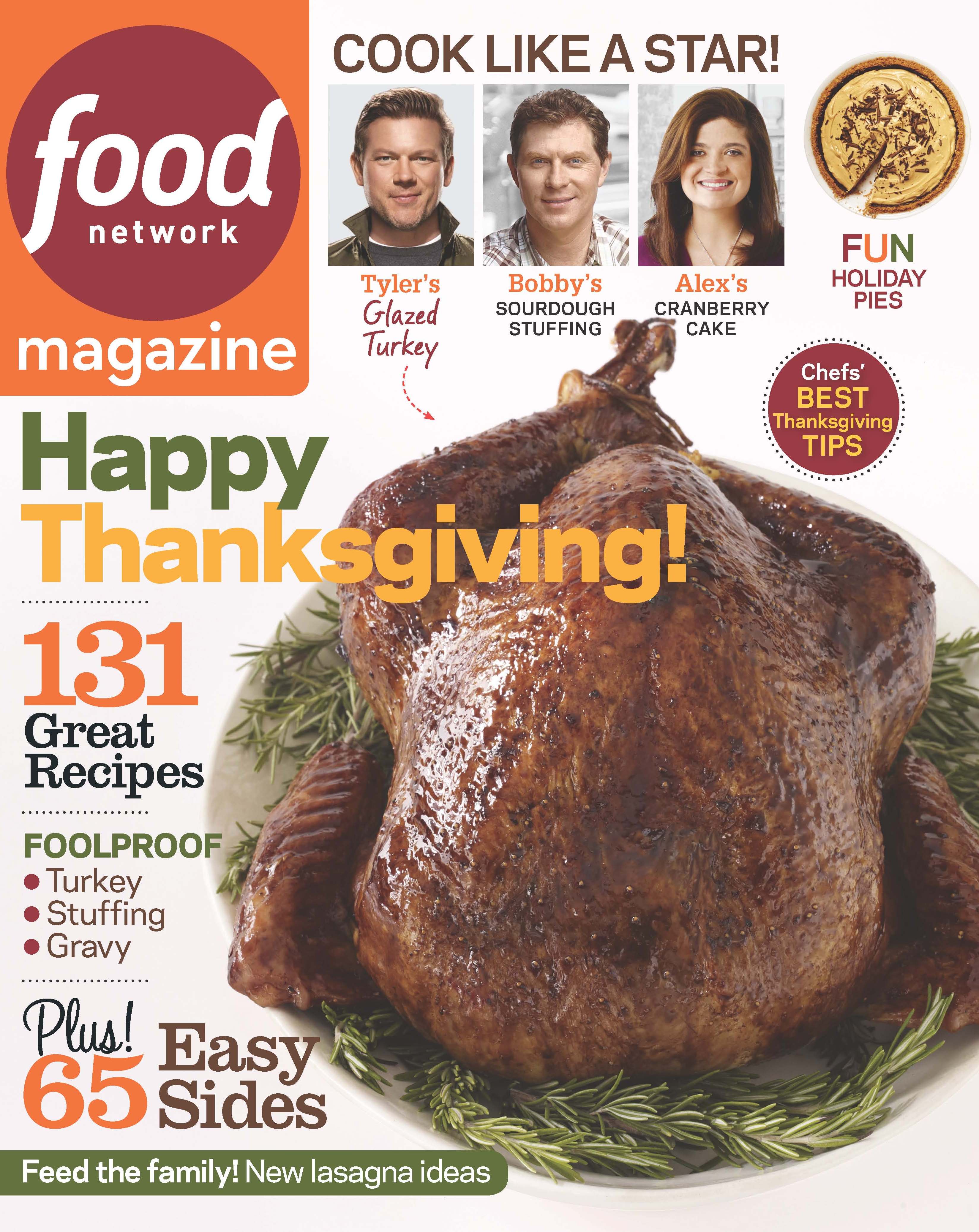
FNM Nov '13 cover There’s never ever a bad idea to launch a good idea. In the last decade, we’ve seen the successful launches of magazines that stimulated old categories and created new ones. Oprah, Lucky — in its heyday was a big new idea — Real Simple, HGTV, which launched only a year ago; they’re following in our footsteps. They’re doing very well and they’re making money and Food Network of course.

Then there are the recently announced Dr. Oz magazine (Dr. Oz The Good Life magazine), which will have a different name but a similar kind of format. It’s really all about hitting the sweet spot of a consumer’s imagination.

Food Network Magazine is an example of how a great idea can and will succeed if the content is right regardless of television, Facebook, Twitter, Pinterest and Vine. Real magazines and I mean the print versions, not the digital, will be launched well into the future and it can make money, which I know is very important.

On the power of the Food Network stars:

We had just witnessed the collapse of major financial institutions. The economy was in a tailspin. Social media was all the rage. The perfect storm? Not exactly. It was more like the stars were aligned. And by stars, I mean of course, Bobby Flay, Ina Garten, Giada De Laurentiis — the Food Network stars.

Considering the power of the Food Network brand, along with the loyalty of their viewers and the growing pop of celebrity chefs we knew we were onto something. But when we attended the Food Network South Beach Food and Wine Festival in early 2009, that’s when it really hit me. Everybody was getting fired from their jobs, the banks were going bankrupt, and I go to South Beach and literally thousands of people are paying hundreds of dollars to get into these events. And I worked at Rolling Stone years ago, so I knew what it was like to see fans with the Mick Jaggers of the world, but this was crazy.

People were just dying to get close to the Guys. They were dying to get close to Alton — just to get an autograph, to get a picture. What was different is people feel like they know them. They’ve been in their kitchen. They know what they’re like. And you know what, they do. And you think of like a Brad Pitt or a Jennifer Aniston and you don’t really know what they’re like really. You know them as their characters in movies. But these people, you do know. I mean, Guy, I can tell you some funny stories about him. He’s really like that. And that’s nice and that’s comfortable and happy for people.

On Food Network as a pop culture obsession and food becoming part of pop culture:
Food Network had become a pop culture obsession and pop culture had become all about food. And celebrity chefs had really branched out, bringing attention to food in new places. And so really Food Network elevated food to a pop culture sensation.

I always say food is the new black. So what’s always surprising to me is that no matter who you are, if you’re old or young or if you don’t even cook, they all love this brand and they love this magazine.

On the beginnings of Food Network Magazine:

Our editors had a funny challenge — how do you translate this brand and make it all work? And the funny thing is, and I won’t get into it, our editor had created a magazine and he went to focus groups and they ripped it apart. It wasn’t even named Food Network Magazine. It was named Spoon brought to you by Food Network. So women in the group said we’re going to call it Food Network Magazine, so why don’t you call it that? And we were like that’s a good idea. They said they wanted cooking for weekdays, cooking for weeknights. It was all different, different cuisines, different personalities.

On early worries about whether or not Food Network Magazine would succeed:

The first thing was, of course, the cover. We talked about that. You know, no one knew what that was going to sell. In fact, food magazines do not sell well on newsstands.

And we put this out and again the banks had closed, everyone was a nervous wreck and I thought, am I crazy to have taken this job? And the people at Food Network said, we know this audience, trust me they’re going to buy this magazine. And they did.

And once we did that, once we saw those numbers we knew we had a compelling proposition for consumers. And that was the point. This wasn’t created for an advertising base, it was created because there were consumers who wanted it. And that’s why we’re making money.

On the importance of making the food look aesthetically pleasing in the magazine:
How did we stand out? First thing is, to make the food look real and tasty. It sounds crazy but a lot of food magazines don’t use real food and you can tell and you see this.

And the other challenge was, and I hear this a lot, is that a lot of advertisers change the way that they even shoot food. Look how beautiful it can look. I mean it’s beautifully photographed and beautifully designed. It’s a very clean, simple background. I think we made a lot of people change the way they do things. So that is just a feel for that. We do top-50 booklets. Again, beautiful, real food and it’s fun.

On the success of Food Network Magazine:
We had the highest direct mail response to an issue in all of our company’s history. 10,000 subscriptions sold in 6 hours. That is unbelievable. And we’ve sold about 1500 subscription orders a day on Foodnetwork.com.

Now those numbers have changed of course because we’ve been around 5 years. But they’re still very strong. Right now our magazine is the 2nd largest monthly on newsstands. Think how large that is. Cosmo is the largest, which our company owns and then you’ve got Food Network Magazine. We are No.1 on newsstands within the Epicureans set selling more than all the other food magazines combined.

We had 11 rate base increases since launch and we’re going up again as you can see in 2014 and I’m sure we will in 2015. And I will say right now you can see we are at 1.55 million, we will deliver 1.8 million in our November/December issue. So it’s big.

On Food Network Magazine’s diversity when it comes to advertising:

We’ve got a very large breadth of advertising. We have lots of categories. 54 percent of our business is from non-food advertisers. And again, we basically just play off the consumers and how obsessed they are and of course the power of the brand overall and the entertainment place.

On the magazine’s digital replica and differences in audience between print and digital:
Digital, I’m sure you’ve probably talked about while you’ve been in here. We do have a digital replica; it’s the exact same thing as the magazine, and we are right now the third largest selling digital magazine and soon really to be second largest.

And you can see those numbers are big, we’re on a number of platforms, and you know it’s a different experience. And from what I understand from the data, it’s a different reader, so we’re not losing readers, we’re gaining other readers, and they’re enjoying it in a different way, which is nice.

On the pricing of the digital version of Food Network Magazine:

Same rate. You pay for everything. Nothing’s free … And the way David Carey (president Hearst Magazines) describes it is if you go to a movie and you like the movie and you want to have the DVD, you don’t get that free, you have to pay for that. It’s the same amount.

On a case study of an integrated marketing campaign that Food Network did with Lexus:

I won’t talk but a minute about this, but just one quick case study. Lexus, obviously everybody’s familiar with — it’s a fairly upscale automotive vehicle. They were one of the sponsors of Robert Irvine and Restaurant Impossible: Holiday Impossible.

And so what we did is we basically all-integrated. There was a whole in-book piece, we actually ran 16 pages, so a number of very creative units. They were roll units, they were shutter units — just ways to sort of be impactful in the magazine and of course on air there were a number of vignettes and Lexus was the car he drove and online they did a number of pre-roll and post-rolls and a lot of interviews with their culinary talent but everything pushed back.

So every medium basically played off their best attributes, which is the point. And what I will show you just quickly, and I won’t read it, believe me, but we did follow-up research — did it work or did it not?

And what I will show you, down at the bottom is the sum of the parts is really greater than the whole. And we just met with the Lexus client in fact this week at our favorite restaurant and we are doing something with them moving forward. So I think that is a big piece of our success.

On the magazine’s readership:

Well, we’re quite a bit younger than anybody else. We’re like 40. And typically, in this category, people are a bit older. I will be honest — we’re a very big mass brand. So our household income is not as high as some of them, but we’re not as old as them so that makes it lower. I will say we’ve got different pieces so if you look at our digital version, that’s a bit younger. If you look at our database, which we keep in-house and that’s subscribers that are a bit younger. The age is young and that’s nice.

On the magazine’s male readership:

We have a lot of male readers. What our editor would say is that she edits not for male or female. She’s got sort of a neutral kind of position.

That being said, we’ve got 3 million male readers. That’s more than Esquire and that’s more than The Wall Street Journal. So it’s impressive.

We also produced this year sort of a men’s only editorial section. It wasn’t to say that the whole magazine would be read by men, but it was a little more focused.

What I find is that younger men love cooking and we noticed this. Younger men love to cook and a lot of times they’re the ones who are cooking and now a lot of grocery stores are set up by men. And I can tell you that men don’t always buy magazines so it’s a nice position to have.

On Food Network Magazine’s “hidden demographics:”
We have a lot of hidden treats. We do a whole “cooking with your kids” so that’s really focused on mothers and fathers — how to cook with your kids and get them involved in the kitchen and that’s kind of a whole different demographic.

We’ve got a travel edition that we do. And that is again traveling, you’re thinking about where you want to eat, so again it’s the beauty of this large sort of mass brand that we can easily cut and deliver in all these ways.

More on the magazine’s diversity of advertisers:

With our business plan I always saw this as a diverse opportunity. My first schedule that I broke was Clinique, which if you know Clinique, it’s a mass prestige beauty advertiser. And it came into issue. Now why did they? Because they got it. They saw the power of what this magazine could bring. Another thing; they are still not on air or online. But they loved the translation of this magazine. So, interestingly that was our first.

And again if you look, we’ve got Lexus, we’ve got Mercedes, and we have a lot of food too. But again, I feel like this is how everyone lives now. You shouldn’t be so compartmental in your thinking because that’s not how life is. And when you look at the consumer and you look at the obsession, to me it’s about whether this consumer is going in and buying Clinique or buying a Mercedes or a Lexus or whatever. And the answer is yes and that’s why they should be here.

On Food Network Magazine’s lean team:

I will also say that we’re a very lean team. From the beginning we were structured very differently than traditional magazines. We do not have a lot of people. And at first, I came from Condé Nast, I thought, “Oh my God, how are we going to do this?” And here’s the thing — We do it and it’s remarkable to me. If you hire the right people and you’re just smart about who does what and who you hire, it’s done and we don’t miss much.

On advice for those looking to start a magazine:

I’m a magazine believer. I have everything digital, but I love touching and feeling a magazine. I think you have to launch it for a real reason. With the research that we did, we knew that they wanted it and we knew that they would pay for it.

I think you just have to do your research and your homework and know that you’re bringing something that’s a different point and something that doesn’t exist and I know that’s hard. I think that’s the reason for the success.

h1

Print is “Still Vital and Exciting — More Exciting Than Ever. But …” Newell Turner, Editorial Director of the Design Group, Hearst Magazines. The Mr. Magazine™ Minute

October 21, 2013

“Don’t you miss the old days,” someone asked Newell Turner, editorial director of the Hearst Design Group (House Beautiful, Elle Décor and Veranda). His answer, “Absolutely NOT.” Find out why and how does Mr. Turner view the role of a magazine editor in this digital age in this segment of the Mr. Magazine™ Minute.

And now for the lightly edited transcript of the video interview:

Samir Husni: How has the role of a magazine editor changed in this digital age if any?

Newell Turner: I don’t think the role of the editor has changed at all frankly. I think what it’s done is it’s caused us to stop and think about what we’re doing and how we’re doing it. And if you’re a good editor, as good editors have always been, you’re thinking forward and you’re taking advantage of those things that you have and exploring where everything’s going. I think that it really hasn’t changed at all. I think it’s just made editors really kind of step back up to the plate so to speak and reengaged us with what we do.

SH: What advice would you give to an incoming magazine editor or somebody who is hopeful that one day they will become a magazine editor?

NT: I think coming into this business now you have to really embrace everything and I can’t imagine being an editor any other way than embracing what’s in front of me. I think it’s more exciting now than ever. I started in this business 30 years ago, and there are still people that I know from that time, and when I run into them they will often say, “Don’t you miss the old days?” And I say, “Absolutely not.” We had no tools to do anything except print and paper and not to diminish that because I think that’s still vital and exciting — more exciting than ever — but now we have all of these tools to talk and communicate with and I wouldn’t want to go backwards — I couldn’t imagine going backwards.

h1

“The Print Magazine Is The Mechanism By Which We Can Bring Back The Brand.” Beth Brenner, Domino Magazine’s Chief Revenue Officer, Talks With Mr. Magazine™ About The Rebirth Of Domino…

October 18, 2013

Beth Brenner loved Domino before it folded in 2009 and she loves the new and improved, higher-priced model of today’s brand even better. You ask me how I know that? I know that from the tone of her voice when she mentions the word Domino, and from her trip to Oxford, Mississippi, when Domino was launched in 2009 and the way she preached the “Domino Gospel” to my magazine students at the University of Mississippi. Believing in print, the power of curation the category offers, and the magazine audience, are a big part of Brenner’s faith in the platform. She is a woman who puts her money where her mouth is.

It did not take her long to make the decision to leave her position as publisher of Meredith’s Traditional Home and go back to the job that she was “forced” to leave when Condé Nast folded Domino. Somehow it seems that Ms. Brenner and Domino are destined to be together.

domino5
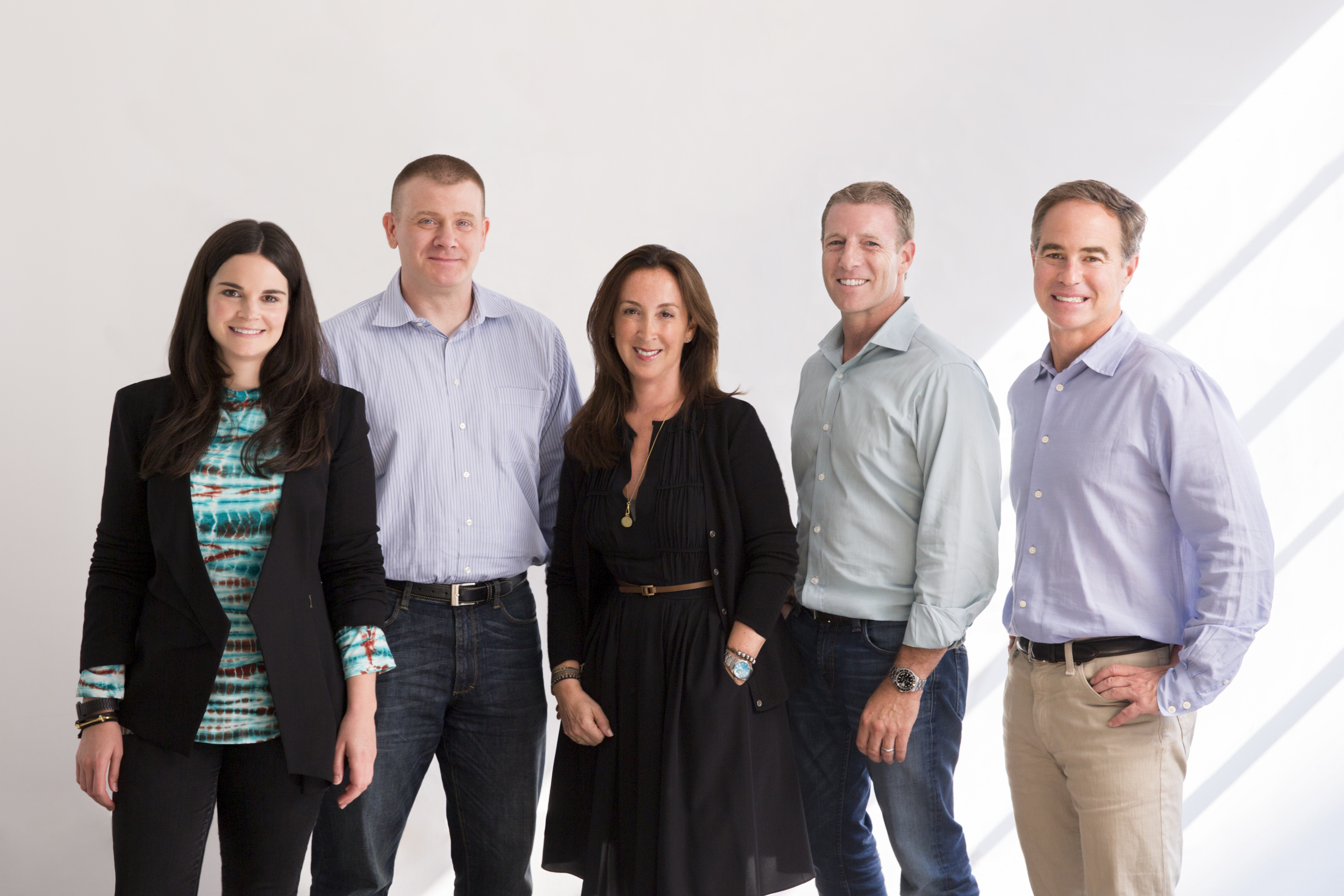
The Domino Five team: (left to right) Michelle Adams, EIC, Aaron Wallace, Co-founder & CTO of Domino Media Group, Beth Brenner, Chief Revenue Officer, Andy Appelbaum, Co-Founder of Domino Media Group, and Cliff Sirlin, Co-Founder of Domino Media Group.

So sit back and relax and enjoy the Mr. Magazine™ interview with Beth Brenner, Publisher and Chief Revenue Officer of Domino Magazine.

But first the Sound-bites.

On the outpouring of love Domino received after it folded:
There was such an outpouring after we folded … The letters started pouring in. I mean, I frankly don’t think they knew what they had before it closed and really came to realize how many scores of fans we had.

On the need for a print magazine:
The reason for a print magazine is because I firmly believe, as do my new bosses, the founders of this new company, that the print magazine is the mechanism by which we can bring back the brand.

On the reason behind the high cover price:
So the reason for the high cover price, and I love talking about this cover price, is because in all of my years in the business people have said to us, “What’s wrong with you people? Why are you only charging a $1 an issue for a subscription and only $3.50 on the newsstands? Don’t you think people will pay for this?” Agency people say this to us all the time. It just devalues your brand when you sell it for so little and I couldn’t agree more.

On the value that Domino provides:
I recently renovated part of my house and we wanted to look at bathrooms and I went on to House.com and I researched modern bathrooms and I had to look through 6,000 images. People want curation and they want things to be edited for them. There’s too much out there and that’s what magazines do. That’s what magazine editors do.

On Domino’s unique revenue model:
You know every print publishing model is about 80 percent based on advertising. And in this case it’s commerce that’s really engine driving the business model, with advertising as a really important component, but not the driver.

On what keeps Beth Brenner up at night:
Everything keeps me up at night because I’m basically a one-woman show right now.

On the feeling of bringing Domino back:
You know, it does kind of feel like Domino 101 in that this is just a great group of sort of hungry, excited people who love this brand. And we’ve come together to bring it back and that feels really good.

On the importance of the Domino voice:
Because we want content to lead, it has to be believable, it has to be in our voice, it has to be beautiful and I think there’s a confidence factor that comes with loving a brand so we want people to love it because Domino curated it.

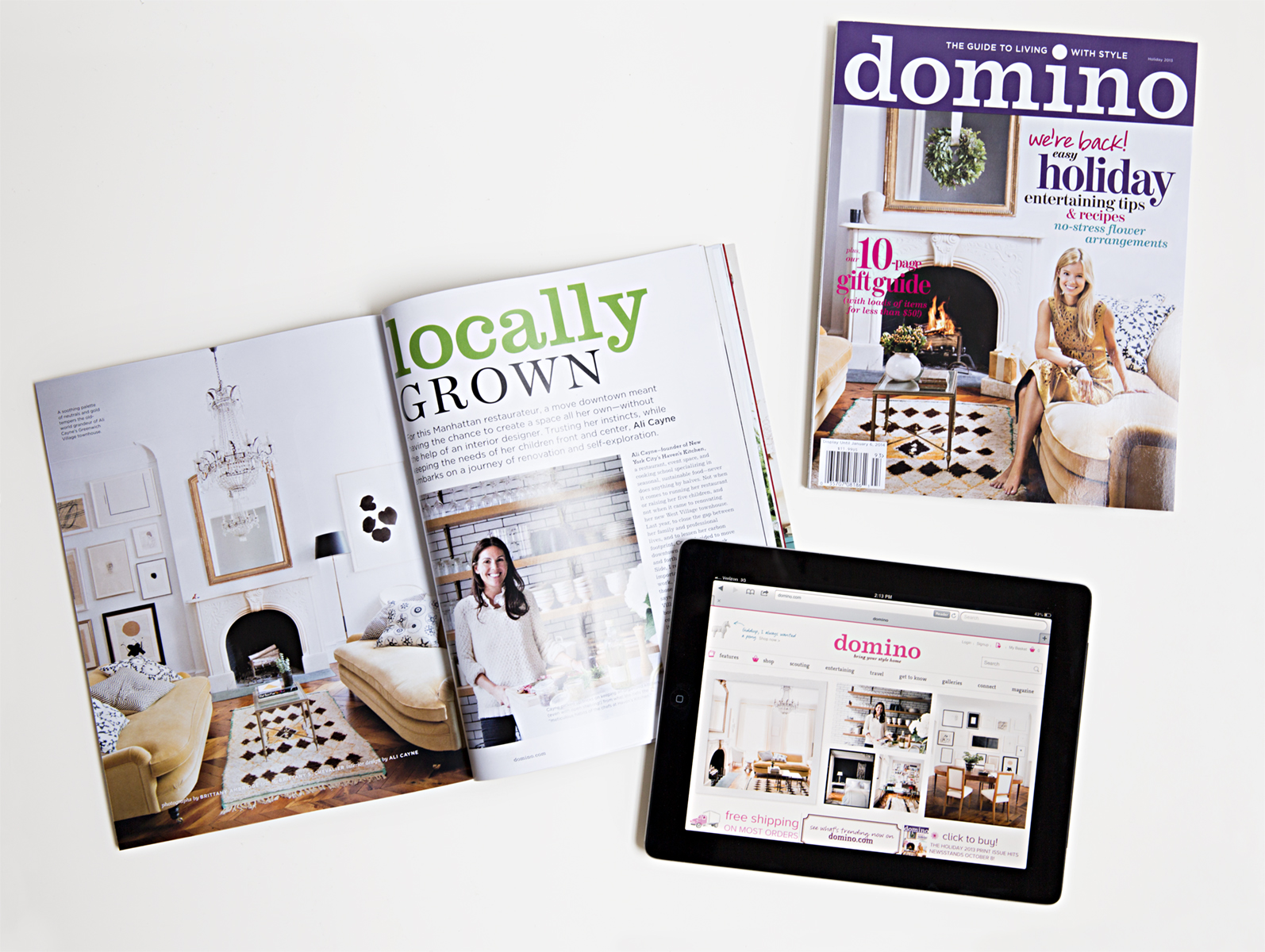
iPadMagsAnd now, in typical Mr. Magazine™ Interview style, for the lightly edited transcript of the Mr. Magazine™ Interview with Beth Brenner of Domino…

Samir Husni: Back when Domino folded and when the economy crashed and digital came on the scene it was like a double whammy. The economy crashed, digital burst and a lot of people in our industry did not know if it was the economy that was hurting the magazines or if it was digital that was hurting the magazines. If you could go back and relive those days, after four or five years later; what was the main reason you think Condé Nast folded Domino?

Beth Brenner: 2009 was a year of tough decisions for a lot of companies. What I came to understand is that the newspaper business was in far worse shape than the magazine business. That precipitated a number of tough decisions in the magazine division. We were one, House & Garden was certainly one, right before us, Condé Nast Portfolio was another three months after us.

Condé Nast funded magazines like no one else and they gave us a seven-year profit strategy. They gave us a lot of time and a lot of rope and a lot of money to get a brand out of the starting gate and we were only in year three. We were way ahead of our plan but there was a huge investment still to come on Domino on Portfolio. So they had to make some tough decisions that year.

So it’s hard to say if it was digital or was it the economy. It was definitely the economy. So with magazines in general I do think digital definitely impacted us and it has even more severely since that time, than at that time.

SH: We were lost. We could not determine if it was the economy or if it was the digital and now we’re finding out that maybe it was both. Maybe it was the economy and digital. But then they decided to bring back the magazine and bring back the smart publisher behind the magazine.

BB: There was such an outpouring after we folded. Penelope did the piece in The New York Times like eulogizing the magazine. The letters started pouring in. I mean, I frankly don’t think they knew what they had before it closed and really came to realize how many scores of fans we had. I will tell you when I was at Traditional Home not a day went by when I didn’t hear about Domino.

SH: With all the digital talk and all the e-commerce; why did you feel there’s a need for a print magazine now and why the high cover price?

BB: The reason for a print magazine is because I firmly believe, as do my new bosses, the founders of this new company, that the print magazine is the mechanism by which we can bring back the brand. I mean it’s what people loved.

We’ve been live for a week now and 80 percent of the sales on the website are for the print magazine. Interesting, right? We’re only selling at newsstands and on the website and people are coming to us in droves and I don’t know if they’re too lazy to go outside and look on the newsstand, I mean thank you for buying it in Baltimore, or it’s just easy and they’re on the site anyway and they want to see it.

So the reason for the high cover price, and I love talking about this cover price, is because in all of my years in the business people have said to us, “What’s wrong with you people? Why are you only charging a $1 an issue for a subscription and only $3.50 on the newsstands? Don’t you think people will pay for this?” Agency people say this to us all the time. It just devalues your brand when you sell it for so little and I couldn’t agree more.

But when Condé Nast brought Domino back two years ago effectively as an SIP, they put re-purposed content out on the newsstand — it was $11.99 — and they were selling 80,000 copies. It was such a great wanted-ness story so why change the model? They have now proven that if people want it they will pay for it.

SH: It’s something that I’ve been preaching all along. Let’s look for the customers that count rather than counting customers.

BB: Exactly. I love that. And you know the president of a furniture company literally emailed me last week and he said, “I’m at LaGuardia and I just watched somebody buy Domino and when she went up to pay for it the newsstand owner said to her, you know that this is $12 and she said yeah, but I’ve been waiting for this for so long.” And he recounted the conversation to me and it had nothing to do with price.

SH: We saw what happened to Gourmet and they said OK we’re going to be on the web and then they killed the web and they killed the app. Do you think a print magazine today can survive on the web and digital alone without the print component? Or do you think that that’s the reason that you brought back the print edition because it’s the only mechanism? If you were born in print you have to stay in print?

BB: I think it depends on what the brand is. I think that Domino is a unique brand in that it can live equally as well on both. I don’t know that everything can or should, but you know what, I’m getting old and I love reading paper. And I love cozying up with it. I do think it’s unique to this category. I think when you’re home it’s a process and you start it, and you need ideas and inspiration, you tear things out and you look for months and months, if not years before you can make a decision or define your own style.

And I think that the print component of that is huge. It’s part of the research process. If you want to find nice rooms on the web you can do it but… I recently renovated part of my house and we wanted to look at bathrooms and I went on to House.com and I researched modern bathrooms and I had to look through 6,000 images. People want curation and they want things to be edited for them. There’s too much out there and that’s what magazines do. That’s what magazine editors do.

SH: How do you as a magazine publisher and as the chief revenue officer convince — or is there a need to convince — the media buyers and the young folks in the agencies that print is still a valid medium? I mean we all know it. We see the revenues and we see where the revenues are coming from. But there’s this myth…

BB: I don’t think that there’s much convincing that needs to happen in the shopping arena, because people are very much fans of print. In that category I think when you get into the sort of non-endemics like why wouldn’t I want automotive advertising or credit card advertising and all of that? Those people are harder to convince, but the reason I came back to Domino is because we’re not just a print magazine and my bag of tricks are much broader now.

It’s really nice to walk into an agency and say we’re print but we’re also creating native advertising campaigns on our website and if your product is appropriate we can also sell your product on our site. But it’s print, it’s digital and it’s e-commerce. And that’s a pretty powerful package for some people.

SH: So are you selling different audiences or do you have one audience in mind that you’re selling them the Domino brand rather than the Domino print, the Domino e-commerce or the Domino website?

BB: I think that would be really interesting to see if the audience makeup has changed. In Domino’s first iteration our media age was 37 and our median income was bout $103,000. It was largely urban. I think that will change because we’re giving access to people everywhere with the website.

I envision that the reader will be the same and it’s kind of the next generation of design lovers. It was true then and it’s true now. Nothing really came in to take our place or fill that gap with the possible exception of HGTV. I don’t know where their demographics are actually netting out but it does feel younger. There’s really nothing in that space.

SH: Why do you think nobody came to fill that void and that space? Were people afraid that if Condé Nast can’t do it, then who can?

BB: I don’t think there were a whole lot of home design titles that launched in the last five years. So it wasn’t that no one came to fill the space. This sector was very slow to come back from the recession. And it wasn’t until 2012 that we really had a banner year. I think it was more of a function of why go into this sector now with a print magazine or only a print magazine? I feel like our new team is giving Domino what it should have always had. We brought you right to that point of inspiration, but yet we couldn’t sell you what you saw. And now we’ve closed that loop.

The model is completely flipped on its head, which kind of goes back to your other question. You know every print publishing model is about 80 percent based on advertising. And in this case it’s commerce that’s really engine driving the business model, with advertising as a really important component, but not the driver.

SH: With your knowledge in the field and observing everybody else, is there anyone doing something similar or a better job of what you’re doing in this industry?

BB: Nobody in this sector is doing e-commerce with the exception of, if you broaden the field, I would say Better Homes & Gardens — they just launched a store on their website. But nobody in the sort of upscale shelter side is also selling product. So, I’d say no.

SH: The typical question I ask everybody I interview is what keeps Beth up at night now?

BB: Everything keeps me up at night because I’m basically a one-woman show right now. All of the advertising is falling on me. We’re a start up. Conde Nast is an investor in this business but it’s a wholly-owned separate business.

And there are very few people doing a lot of jobs. And it’s super fun but everything keeps me up at night. So right now the March issue is keeping me up at night but so is the highpoint schedule for next week. It’s a little bit of everything.

SH: So how does it feel… Is this your first entrepreneurship, publishing part of a business? Is this the first time you’re not working for a big company?

BB: Yes, it is. You know, it does kind of feel like Domino 101 in that this is just a great group of sort of hungry, excited people who love this brand. And we’ve come together to bring it back and that feels really good.

And even though we were inside a big company the first time, I think we felt like we were a start-up. It was a smaller team than I had ever had at another title. We were all in it together. It was just sort of a great spirit. So it’s, I guess, my third launch because I launched M Magazine back in the 80s and I have to say the Domino launch really whetted my appetite to do it again so I feel like I have that feeling again.

SH: So my final question to you… If we are talking about Domino three years from now, what will you be telling me?

BB: Oh God, I can’t put a number on this. Everybody’s sitting around going, “Do you know how big this could be?” So what am I telling you? I think there may be a bit more publishing frequency than we’re planning for 2014. We’re planning four issues. If there’s a demand then we may go to six.

And I think right now we have a website with about 40,000 products. I’m thinking we could have half a million products if not more and a really dynamic e-commerce business which is driving the ship for the entire company.

SH: Thank you.

h1

The Camelot Years: In A World Gone Pixel, Print Is Breathing Life Into History Like No Other Medium Can.

October 16, 2013

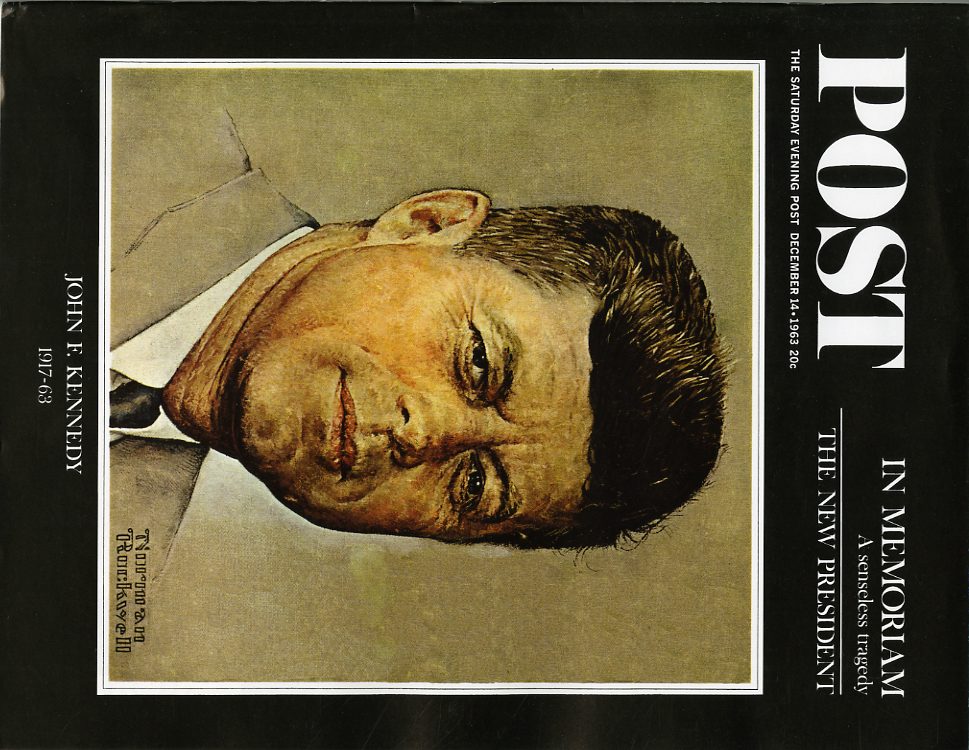
JFK Post In Memoriam If you walk by the newsstands and think you’ve stepped through a time warp when you see this month’s host of magazines devoted to commemorating and reliving the 50th anniversary of the assassination of President John F. Kennedy, think again. And rather than reinventing history, some opted to just reprint it. The Saturday Evening Post chose to relive the tragic history of events by reprinting the December 14, 1963 issue of the magazine with the Rockwell painting of then-President John F. Kennedy on the cover. The painting was one of the president’s favorites of himself.

The issue is an exact replica of the original, right down to the advertisements. (This replica’s issue is on better paper than the original magazine. However you have to order it from The Saturday Evening Post since it is not sold on the newsstands). It brings up another one of that print versus digital questions that we all know so well:

Can you capture and relive history and also share it with the audience if it’s published in a digital only format?

The “In Memoriam” issue of 1963’s The Saturday Evening Post is 10½ x 13½ and conjures up the actual era of that time as you leisurely flip through the oversized pages. Would clicking an arrow on a webpage or sliding your thumb across a cold, impersonal screen produce the same emotion as the print version does?

I suppose each individual decides that one. But as for me, Mr. Magazine™, the answer is a resounding no!

Kennedys Vanity FairAnyone who reads my blog or my books, and hears my lectures knows without a shadow of a doubt that I wholeheartedly believe in print. To me, print is THE foundation for everything media-related in the digital world. However, I’m not so close-minded that I don’t feel and see the need for instant gratification. After all, I’m no different than the next person; I love finding out the absolute latest news within mere milliseconds after it happens. But magazines are not only about news and content. As I say and have always said, magazines are much more than good content, they are experience makers.

What I am stating is the instantaneousness of it all still doesn’t compare to the experience of print. There is room in the universe for both, believe me. And the certainty of that lies in the difference of experiences one gets from each medium.

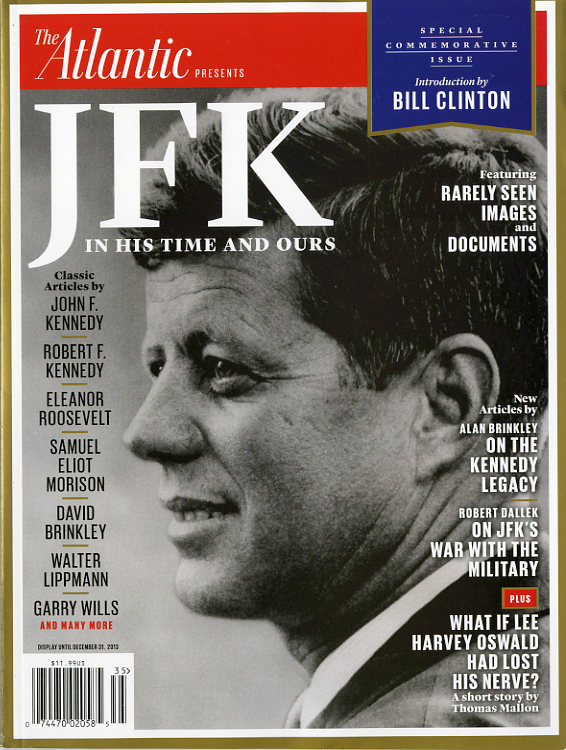
JFK The AtlanticStaying with the inimitable 35th president of the United States, John Fitzgerald Kennedy, there have been at least eight different print magazines in the past few weeks focusing on the upcoming 50th anniversary of his assassination. November 22, 1963 has already gone down in the history books and now, 50 years later, print magazines are showing off one of the things they do best: bringing it back to life.

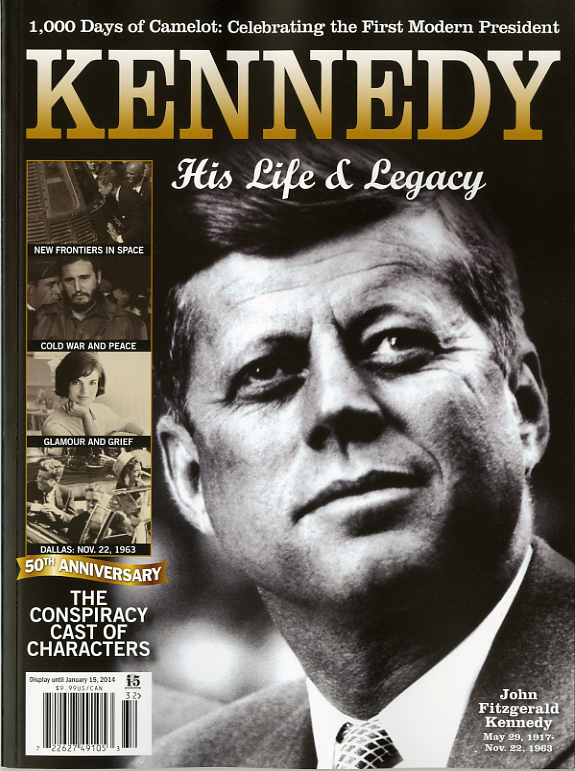
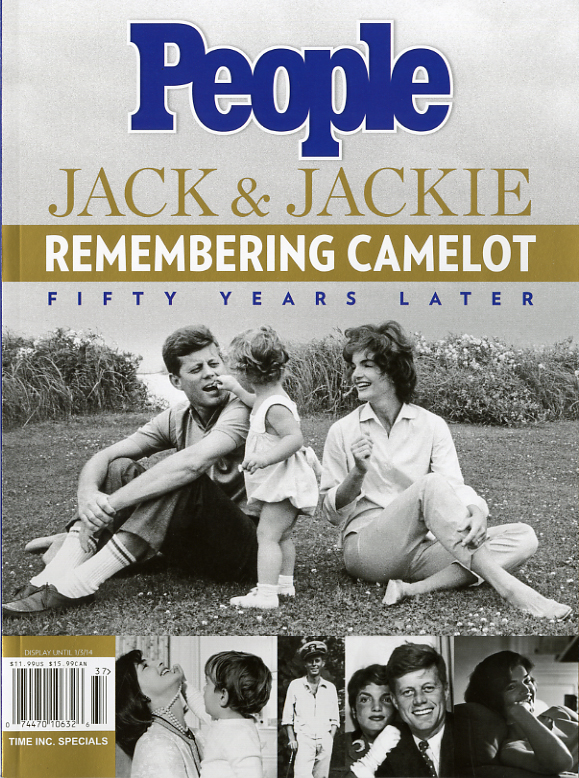
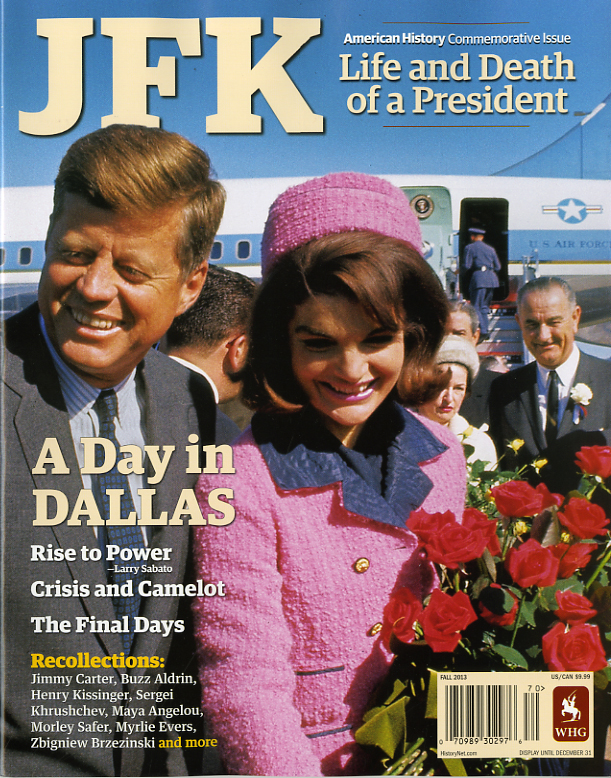
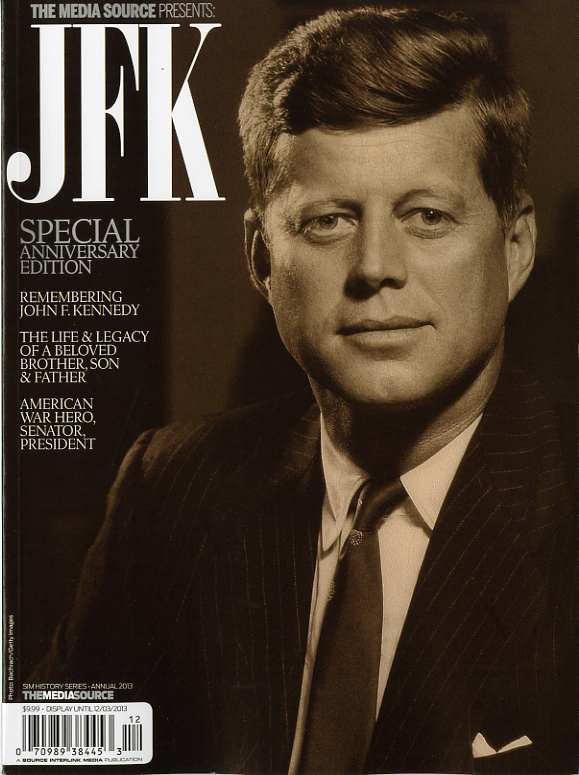
TV Guide remembers Jack – 50 years later. Vanity Fair has a special commemorative edition – The Kennedys. The Atlantic presents JFK – In His Time and Ours. Weider History Group offers JFK – Life and Death of a President. People Magazine has Jack & Jackie – Remembering Camelot Fifty Years Later. Media Source presents JFK – Special Anniversary Edition. i-5 Publishing celebrates Kennedy – His Life & Legacy. And of course, The Saturday Evening Post’s “In Memoriam issue.” And I am sure there will be more to come.

Kennedy - His Life and Legacy

John F. Kennedy And while digital-only converts might argue that is only eight magazines when cyberspace can offer you eight to infinity; I say wonderful, but the experiences will have a totally different effect on the reader. When you finish the epically-done People Magazine about “Remembering Camelot” and you can not only see, but touch the photograph of JFK slumped wearily over his desk in the Oval Office, I dare anyone to tell me a computer screen can drum up the same deep emotions that the in-print photograph does. It’s just impossible.

This blog isn’t intended to focus on the detriments of digital, but rather its purpose is to augment and showcase the benefits of print. The absolute, undeniable ability that print has to indelibly “ink” itself to that part of your soul that screams for a tactile and tenable experience in a world gone pixel.
Jack & JackieJFK - Life and DeathJFK

Done reading? Throw those magazines down onto your coffee table or onto your desk and let the conversation begin. I assure you, people WILL be asking you questions about all those printed magazines noticeably lying around; need I ask what will happen if they are on your iPad or any other smart device?

h1

Flying High, Sipping Whiskey, Reading Rhapsody in First Class. Print is Good. Simon Leslie, Group Publishing Director of Ink, Talks About the Power of Luxury and Print. The Mr. Magazine™ Interview

October 14, 2013

“I had a conversation with an advertiser last week and they said, “Are you producing an app and a website for this?” I said, “Are you insane?” This is a first-class magazine. The only way you’re going to get to read this magazine is if you travel first in business class. I’m not opening this up so anybody can just pick it up off the Internet.” Simon Leslie

image003The concept may seem simple: Create a magazine (as in my definition of magazine: ink on paper) and offer it to a select group of people who can’t get any other way. No iPad edition, no street sales, no subscriptions. You have to be seated a few inches from the magazine to be able to stretch your hand and pull the magazine out from the seat pocket in front of you on that luxurious first or business class seat you are relaxing in as the plane soars to 30,000 or 35,000 feet above the clouds.

Simon Leslie, group publishing director of Ink, a global travel media company, is doing just that — publishing a high quality, ink on paper magazine, aptly named Rhapsody and distributed only to United Airlines business and first class passengers. Rhapsody is defined as a “monthly luxury lifestyle and literary magazine exclusively for United’s premium-cabin customers and visitors to the airline’s United Club and United Global First lounges.” The concept may not be new, but the execution of Rhapsody is.

Quoting from the cover lines of the launch issue, this is a magazine that feels like you are “walking on the red carpet,” and reads like you are “sipping a glass of fine whiskey.”

Simon Leslie photoAs with any Mr. Magazine™ Interview, first the sound-bites followed by the lightly edited transcript of my conversation with Simon Leslie, group publishing director of Ink.

First, the sound-bites

On why there isn’t a digital version…
The only way you’re going to get to read this magazine is if you travel first in business class. I’m not opening this up so anybody can just pick it up off the Internet.

On the unique experience that Rhapsody magazine offers…
And what we have is something that’s there, it’s three inches in front of their knees and they get to pick up at a time when they’re most relaxed.

On the magazine’s unique advantage…
The thing that we have that’s so unique is this unique distribution model that means we can get in front of the people that most media and advertisers want to reach. And that keeps us sane.

On the power of ink on paper…
When you talk about magazines you think about grids and pictures and text formatted in a certain way and the way you turn a page and look at it. I just think the word magazine will mean something different in a digital format.

On what many magazines are doing wrong these days…
People are cutting so many corners and writing things in house or trying to find the up and coming journalist rather than somebody who is incredibly experienced and is a great writer.

On the power of great advertising…
Beautiful advertisers, great watches, great cars, great holidays — I think they make a book.

And now for the lightly edited transcript of my conversation with Simon Leslie, group publishing director, Ink.

Samir Husni: My first question to you… In this quote unquote digital age where everybody is preaching the future of digital, you’re not only launching a new print magazine but a magazine that’s more upscale and literary, sort of like a magazine that demands reading and not skimming. Why? Are you out of your mind?

Simon Leslie: Yeah, very much so. (laughs) I had a conversation with an advertiser last week and they said, “Are you producing an app and a website for this?” I said, “Are you insane?” This is a first-class magazine. The only way you’re going to get to read this magazine is if you travel first in business class. I’m not opening this up so anybody can just pick it up off the Internet. And she went, “Oh, that makes sense.” Hopefully it does. One of the things that has happened, I’d love to say that I was clever enough to forecast this, but the general market of publishing has really helped our business. We publish magazines for 36 airlines all over the globe and we are seeing a little bit of a return to the inflight magazine. One agency said, “You will be the last man standing.” And what we have is something that’s there, it’s three inches in front of their knees and they get to pick up at a time when they’re most relaxed. So I don’t think our type of media is going away and I hope to think we’ll be launching much more of these magazines in the near future.

SH: You said that this type of media is not going away. Is it the ink on paper that’s the problem or is the publishers and the messages they are putting on the ink on paper that is the problem?

SL: I think in the normal world, when you’re off the plane, things are tough and it’s very competitive. The investment in the quality in some of the magazines has gone down hill. So you’re having to pay more for a product which isn’t as good as it used to be. The post service doesn’t help things — subscriptions are very expensive. I think they’re finding it hard. The thing that we have that’s so unique is this unique distribution model that means we can get in front of the people that most media and advertisers want to reach. And that keeps us sane.

SH: One of the things I’ve noticed about the new magazine is its high quality, the paper and the literary aspect of it. It’s sort of like a must read. Do you think digital can ever reach that stage where somebody’s sitting in business class or first class and instead of having a magazine three inches away from them, they have an iPad. Is it the same experience?

SL: When you talk about magazines you think about grids and pictures and text formatted in a certain way and the way you turn a page and look at it. I just think the word magazine will mean something different in a digital format. I think everybody’s rushed to the iPad — which I think is a mistake — including us. We were one of the first to launch iPad versions of our magazines and we’ve had a significant number of downloads but I think we all got in there far too quickly. And I think the magazine will be — should be — very different in the future. I don’t think the enjoyment is as pleasurable on digital as it is on a magazine.

SH: Why are not more publishers seeing the light at the end of the tunnel like you are instead of seeing the train coming?

SL: It’s panic and you’ve got to follow the herd and you’ve got to do the same things everyone else is doing. And you’re not stopping and thinking about if there’s a better way of doing this. And I think a lot of them are rethinking about their models and I think that is the right thing to do.

SH: One of my pet peeves, one of the issues that I ask almost every publisher and every president, your company is called Ink. You said you’ve published a multitude of travel magazines and airline magazines. What’s the focus of the future of Ink and ink on paper?

SL: People told me in 1998, you need to think about something new to do. They told me the same thing in 2005 and 2010. At this moment in time, I’m confident that I can’t see anything changing in the next five years. I think we are still a premium product and as long as people keep investing in that product…You were very complimentary with what we’ve done with Rhapsody. We’ve really invested in the journalistic content. We’ve gone to some of the finest photographers in the world. And you know, some of that has been lost. People are cutting so many corners and writing things in house or trying to find the up and coming journalist rather than somebody who is incredibly experienced and is a great writer. If you keep investing in quality, people will recognize that quality and support you. You have to brave, you know.

SH: Can you invest in quality on the iPad or on the iPhone?

SL: I think you can. We’re doing lots of testing and we have lots of new stuff. But at the minute I can’t see a better format than print. I don’t think also the revenues will ever be as strong as print. Those publishers that used to have fantastic revenues in their print model are not getting the same revenues in their digital model. And that scares me for a start.

SH: What keeps you up at night?

SL: Lack of good sales people.

SH: Do you ever see our business model changing? Instead of depending on advertising, do you ever see a day where we give the passenger in first class a magazine that they’ve already paid like an extra $10 for on their ticket without advertising or do you think advertising is part of that experience — they want?

SL: I have to be careful what I say here. I think advertising is part of that experience. Beautiful advertisers, great watches, great cars, great holidays, great holidays — I think they make a book. They bring that experience to life. They should complement each other. The process at Rhapsody has been, we’ve turned away more adverts than we’ve sold. We kept the bar really high. No half pages, no fractionals, everything full pages or double page spreads. We have some of the great spreads in the world.

SH: Congratulations on the magazine and I wish the world had more publishers like you who are determined to create a good product in print and not being afraid that this is something that this is something from the past.

SL: I think we have a good future ahead of us. I think publishers need to be proud of what they have and realize the value of what they have. Relating to the last comment, there aren’t enough sales people out there who believe in print. They all want to work in digital. So what we’re left with is quite a bit of legacy sales people who used to do it a very different way. We’re very lucky. We’ve spent a lot of time and effort hiring young talent and developing and teaching them the business and that’s why I think we are doing what we’re doing and achieving what we’re achieving because we people who believe what we believe and are going to market with that passion and enthusiasm.

SH: I have one final question for you. How much of your revenue is coming from print and how much is coming from digital now?

SL: 99.9 percent. To be fair, there are some components we have that are digital and print. The boarding pass business, which is the business where we sell advertising on boarding passes, it’s served digitally, but the actual end result is a print product — it’s a piece of paper. That’s a really fast growing business for us as well.

SH: Thank you.

h1

Scan-Based Trading: The View from the Man Who Wants to Save the Newsstands — Luke Magerko. The Mr. Magazine™ Interview

October 12, 2013

Luke Magerko is on a mission to save the newsstands. In this fourth installment of the Mr. Magazine™ Interview, Mr. Magerko talks about Scan-based Trading issue and identify the pros and cons of such an issue.

Click here to read the Mr. Magazine™ Interview with Luke Magerko.

h1

How Do You Amass A “Fortune” And Learn To Hang Onto It In this Digital Age Of Uncertainty? A Conversation With Andy Serwer, Managing Editor, Fortune Magazine. The Mr. Magazine™ Interview.

October 11, 2013

Sit back and count yourself “Fortunate” as you enjoy Andy Serwer and Mr. Magazine™ as they ponder the bliss that is Fortune!
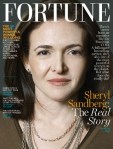
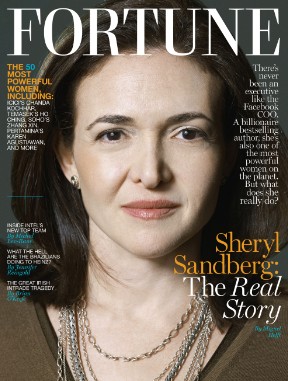
131009094011-fortune-cover-10-28-13-custom-1When the economy busted in 2009, magazines in general were hit hard, and business magazines specifically were hit even harder. And if the economy bust was not enough, the digital burst landed with a bang in and around the media business. Publishers could not tell whether to blame the economy or the technology for the decline in the magazine business. Fortune magazine is used to bad times. It was born in the worst of times. So, if anyone knows how to adapt to the bad times, Fortune should be the one.
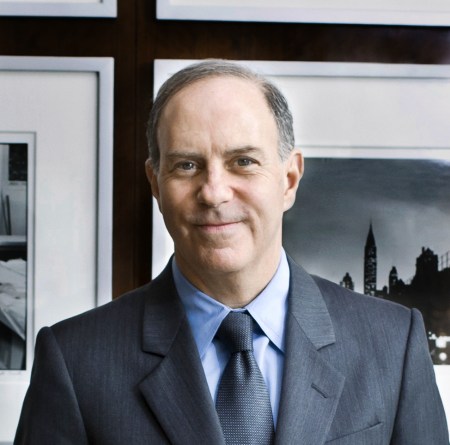
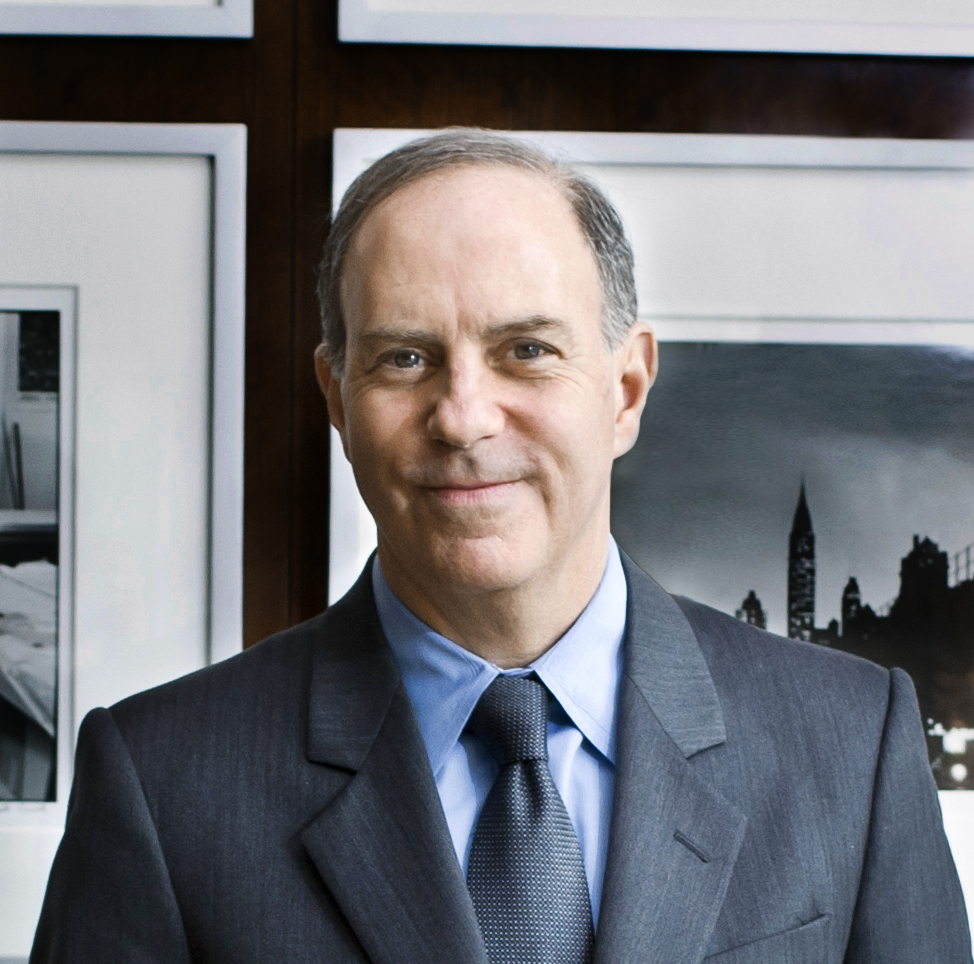
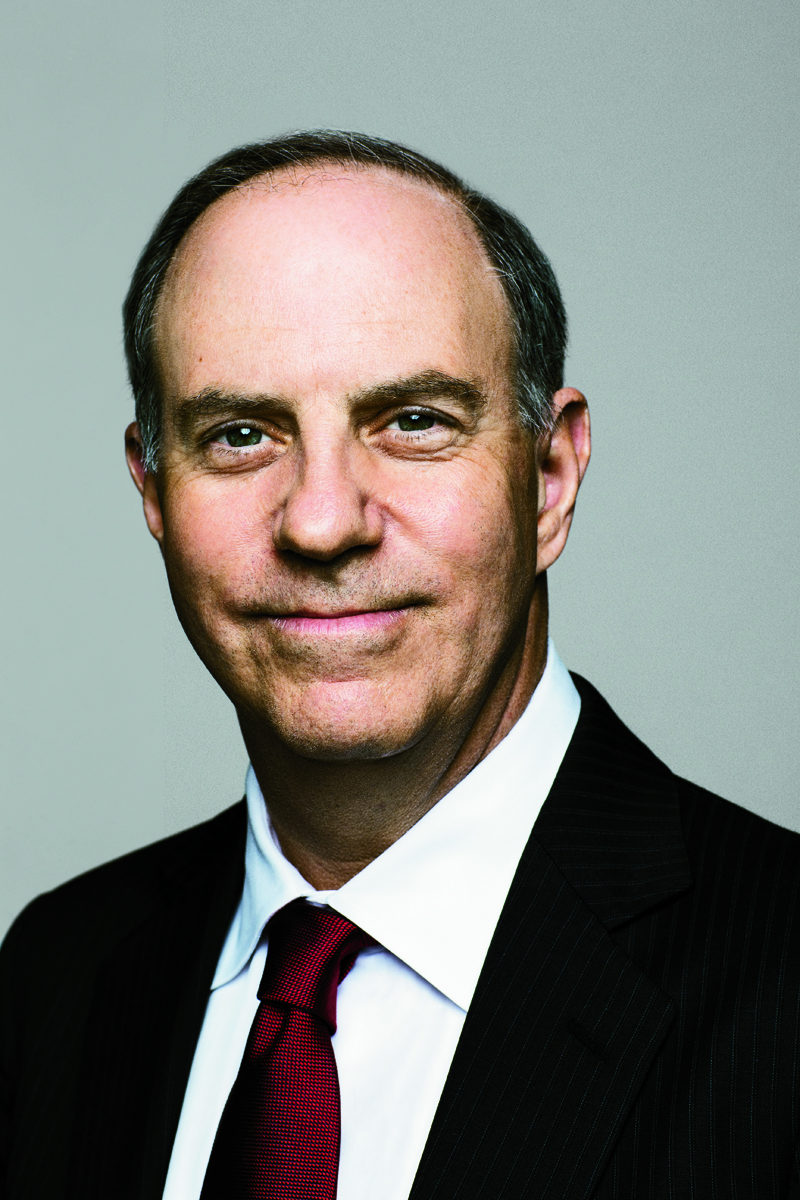
Andy Serwer 2013The man behind Fortune is Andy Serwer, the magazine’s managing editor (i.e., editor of the magazine in Time Inc. lingo). Andy was my guest at the CPR for Magazine Media in New York City last month. I conducted a morning conversation with Andy at the event. What follows are the sound-bites of this conversation followed by the entire lightly edited transcript of the entire conversation. The conversation is engaging and lengthy, so feel free to print the blog, grab a class of wine and enjoy reading the fortunes of the man behind Fortune.

First the sound-bites:

Sound-Bites:

On how Fortune magazine has managed to withstand tough times and be “Fortunate” enough to still be around: I think this, maybe speaks to perseverance and staying with it and understanding if you have premium content and you really stick to your guns and stick to your knitting you can be successful.

On the “reinvention” of Fortune:
One thing that I’ve come to realize in this transition to digital is that there doesn’t seem to be a silver bullet and if you’re sitting there waiting for something to happen, to come along, to totally transform this business, to make everything OK then forget about it.

On the steps it took to reinvent Fortune:
We looked at our strengths and our opportunities and we tried to match them up and proceed. One thing we have at Fortune for instance, right away I realized, were these franchises — these sorts of brands within brands, and I think those are very important and I’ll explain.

On the role of an editor in today’s magazine media world:
Now I have a challenging magazine environment, I’ve got this digital platform, which is really hard to figure out and of course there’s digital dimes and nickels versus print dollars and trying to get people to do that.

On being “spun off” by Time-Warner and the future of Fortune magazine:
I think it’s a great thing that we’re being spun off. We were a little tail on a big media company dog.

On the added duties of journalists today and the amount of time they have to complete it all: I think about that every second of the day and I think about my personnel and it’s really tough because I’m scared about burning them out.

On what keeps him up at night:
All of the above. I actually have been sleeping less well over the past three years. There is just so much.


On his disdain for special issues of magazines:
“…I’m not big on special issues. I don’t like special issues — like “the food issue.” Some people like them, but I happen to not like them. This is purely as a consumer. The New Yorker is a magazine that I admire, but when they do a special issue, I’m frankly a lot less interested. I like the curated, general interest of each magazine.”

On the brand dilution that has stemmed from the Fortune/CNN Money partnership:
That’s an interesting question. CNN Money, that kind of speaks to the difficulty of building a brand. CNN Money doesn’t’ have the same brand power that Fortune does. You’re putting together a joint venture and slapping a name on it. That’s not really brand building.

On what worries him about as the responsibilities of a journalist increase:
I think about that every second of the day and I think about my personnel and it’s really tough because I’m scared about burning them out.

On the role of advertising in magazines: Our magazine, InStyle, Vogue at Condè Nast, Cosmo at Hearst — they’re all putting out their biggest issues ever. Why is that? Because if you ask a reader of those magazines if they would buy those magazines if there were no ads in it they’d say of course not. Those ads are part of the experience. And advertisers say “Hallelujah!”

And now the lightly edited Mr. Magazine™ interview with Fortune Managing Editor – Andy Serwer.

Samir Husni: When Fortune magazine was launched in the midst of the depression it was the worst time anyone could ever publish a business magazine. Henry Luce published Fortune and charged a $1 cover price when everything else was calling for five cents and 10 cents. Is there a good time to publish a magazine and what can you tell us about the beginning of Fortune — how was Fortune fortunate to launch in the worst of economic times and still be with us after all these years?
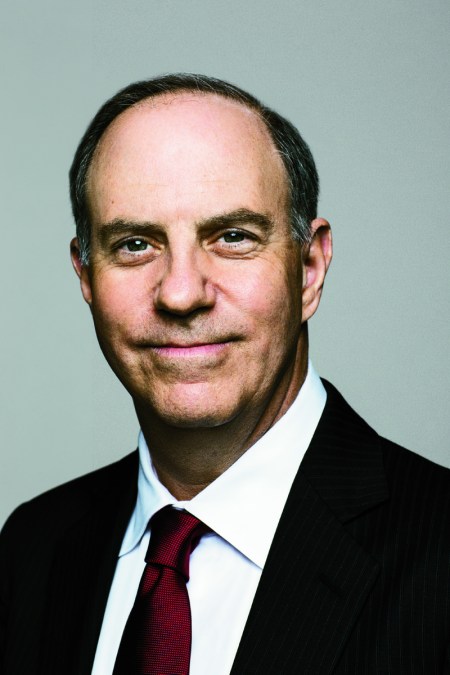
Andy Serwer - USE jpgAndy Serwer: First of all to give you a little color on that launch, if anyone cares about Great Depression launches of magazines, it’s interesting because you have to remember leading up to that we were in a great economic boom. The stock market was going like crazy and there were the flappers and all that. And so it seemed like a great time to launch a new magazine, particularly a new business magazine in 1928-29 when the business plan was put together.

So, Henry Luce got a great response initially in 1929. The fall of 1929 came and there was a very serious stock market crash and his backers and bankers asked him if he was sure he wanted to go ahead with this because it looked like things had gotten rocky all of a sudden. And Luce reportedly said he thought it would pass, you know it’s just a little hiccup in the market. The first thing always looks like a little bit of a hiccup and that’s what he thought.

So they decided to launch in February of 1930. At that point, you don’t see that you’re heading into the teeth of The Great Depression. Had he known that, maybe he wouldn’t have been so brave.

But he didn’t know that. Fortunately he went ahead and launched. Yes, indeed it was a dollar an issue or $10 for an annual subscription. It was a monthly back then. Obviously things just got worse and worse. Back then of course the top one percent or 10 percent was still doing OK which is primarily what the magazine was targeted to at that point.

While it was tough sledding it wasn’t impossible. It’s interesting because we have an international licensee in Korea which launched Fortune Korea in 2009 and that looked very, very difficult also and we had the same conversation saying, you know we launched in 1930 and you’re launching in 2009. And in fact, Fortune Korea is doing very, very well right now.

I think this, maybe speaks to perseverance and staying with it and understanding if you have premium content and you really stick to your guns and stick to your knitting you can be successful but you’re going to be having a lot of discussion with various constituents saying you shouldn’t do this, you can’t do this, you need to be shutting down, you need to reduce your trim size, you need to go to lesser quality paper, you need to go to cut your frequency, you need to fire your journalists, you need to reduce costs, you need to cut costs and maybe you need to shut this down. And you’re going to constantly hear this kind of stuff.

And in fact I’m sure that people hear those kinds of comments and get in those kinds of discussions all the time right now. So, the environment is tough and you pick and choose because I think in some instances compromise is the right thing to do but you really have to understand who’s reading your magazine and who’s advertising your magazine and does it make sense when people ask you to make those compromises.

SH: You had the same opportunity when you became editor of Fortune and then when the economic crisis or when the economy busted in 2009, but yet you were able to reinvent Fortune. We see all the numbers — your circulation is up, there’s your global edition, you’re all over the world and your brand is as solid as it was back then. The storm has passed. How did you go through the reinvention of Fortune and how did you survive the business and economic meltdown of 2009?

AS: Well, it really was a trial by fire and it was kind of like holy what a great thing when I became editor of this magazine in 2006 and then afterwards it became obvious pretty quickly that there were some ants at the picnic to put it mildly.

What happened, of course, is that we’re going through this secular change which is to say the transition to digital that all of us are going through, and at the same time there was a cyclical downturn which is to say 2009 was very, very difficult. And frankly our costs were out of line and our business side and the other side — we probably weren’t paying as much attention as we should to our cost bases. And we did have to cut back.

One thing that I’ve come to realize in this transition to digital is that there doesn’t seem to be a silver bullet and if you’re sitting there waiting for something to happen, to come along, to totally transform this business, to make everything ok then forget about it.

I think what made us think that this might be possible is I looked at the music business and I said OK the music business was in crisis and terrible turmoil and then Steve Jobs just poof came up with iTunes. Now, iTunes wreaked a lot of havoc on the legacy music companies, but it did reinvent the music business onto the digital platform and successfully transitioned there.

Now, since iTunes there have been new business models such as Spotify and Pandora, but that was the great demarcation point to turn that business into a digital platform and move forward.

For print it just doesn’t seem that easy, does it? Off course, Apple is doing its thing, Amazon’s doing its thing, Flipboard is doing its thing, Pulse is doing its thing and it makes it very, very complicated for all of us because there are a million different choices and a million opportunities.

But what it means is instead of waiting for one lightning bolt to come out of the sky you have got to do a million things right — both on the editorial side and the publishing side. It’s just like what they used to say is old Big Ten football, like three yards and a cloud of dust: Just keep grinding and going forward and making a lot of decisions.

I think focus is a very, very important thing because you are going to be faced with just a huge array of choices, you know, because like I said the Pulse people are going to come in your office and say you need four people at your magazine working on Pulse. It’s like, well maybe you don’t, but they’re going to convince you that you need to. Anyway, what we tried to do is to just do a million different things. So, focus and try to do a lot of things right.

SH: Can you take us through the reinvention process? How can you take those one million things and put them in maybe four or five steps for someone if they’re trying to reinvent their magazine and they were hit by this double whammy, the economy bust and the technology burst? What should an editor do — how did you do it?

AS: We looked at our strengths and our opportunities and we tried to match them up and proceed. One thing we have at Fortune for instance, right away I realized, were these franchises — these sorts of brands within brands, and I think those are very important and I’ll explain.

So our franchises at Fortune include the Fortune 500, which is the largest 500 companies in the US and we have the Global 500, which is the list of the 500 largest global companies.

The Fortune 500 is actually a stronger brand than Fortune. A lot of times I’ll get in a taxi cab in a city and a cab driver will ask me what I do. And I’ll say I’m editor of Fortune and they’ll always say “oh Fortune 500.” So boy what can you do with that?

And besides that we had other franchises as well. Our most powerful women’s franchise is incredibly powerful and growing. Best company to work for, most admired companies, 40 under 40, 40 hottest business leaders under 40 years of age.

And what I realized is that we needed to grow these franchises and really push them out on digital platforms and then also something we’ve been very strong in as well are live event conferences.

So we tried to make sure that we have these three platforms, magazine, platforms and live events and then drive advertising across all three platforms. So when someone is sponsoring one of our live events, we would also encourage them to also buy advertising in the magazine and on our website as well.

The other thing is, we’re not at 18 issues a year and I want to make sure that every issue has one of these franchises. I’m not talking about special issues — I’m not big on special issues. I don’t like special issues — like “the food issue.” Some people like them, but I happen to not like them. This is purely as a consumer. The New Yorker is a magazine that I admire, but when they do a special issue, I’m frankly a lot less interested. I like the curated, general interest of each magazine.

But to have a franchise like our “40 Under 40” in our magazine — which drives advertising into the magazine — advertisers want to not only be close to that particular section, that particular franchise, but then what happens is they’ll just want to be in that issue overall and that’s where you really hit the sweet spot because then you’re able to do all kinds of edit. Of course, advertisers more and more want sponsored edit — edit they are closer to — and I’m sure that’s something we’ll be talking about today.

SM: You’ve been named one of the leading business journalists in the country from a journalism point of view. How have all these things impacted the role of an editor of a magazine? Did it take away from the journalism skills and make you compromise a little bit or is this the best time of your life as the editor of a magazine?

AS: Well, I’m busy I’ll tell you that. You know, and I talk a lot to the editor in chief of Time Incorporated, it was a guy named John Huey who recently left after serving a number of years. And he was editor of Fortune in the late 1990’s, which was an incredible time for Fortune and for many magazines in general. That was the tech boom and we were getting so many ads at that point that literally, and I was a writer at that point, they’d send us out to do more stories because we had too many ads. It was just mind boggling. At one point, we actually had to just put out a whole special issue and we just kind of called it the digital issue.

What was happening back then, just as a quick aside, is that during the tech boom these companies would get funding from say Kleiner Perkins, the big venture capital firm in the Bay Area in Palo Alto, and they’d get their round of $50 million of funding and they’d look at John Doerr, who’s the head of Kleiner Perkins, and they’d say, “what should we do?” And John would say go brand yourself and then we’d have an ad salesmen right at the door as they walked out. Literally that’s how it worked.

It was pretty amazing — Food Puppet, Sock Puppet, Web Van, I mean all these companies that don’t exist anymore, were advertising in the magazine. Basically there wasn’t a real Web at that point, there wasn’t much of a Web business, so it was really you’re putting out a magazine with all these ads.

So I talked to John about it and how quickly things have changed. Now I have a challenging magazine environment, I’ve got this digital platform, which is really hard to figure out and of course there’s digital dimes and nickels versus print dollars and trying to get people to do that. The live events business that we do now has gotten much, much bigger so we’re doing events in China, Europe, multiple events in the United States and that’s very time consuming and complicated.

Back in the 1990’s a guy was running a magazine and now we’re running a magazine, live events and digital. That’s one thing.

The second layer is sort of the transition to digital and doing that whole change over which kind of forms everything I do everyday. Right now, the third layer for us at Time Incorporated is that we’re being spun off from Time Warner which is another level of complexity as well that I hope none of you have to go as you’re simultaneously trying to run your magazines and your websites because it’s like playing a game of 3D chess against Mr. Spock. It’s like whoa. But you know we’re doing the best we can.

SH: I know this is like a segue, and we’ll go back to Fortune the brand, but since you’ve been spun off by Time Warner it’s my understanding that you’ve interviewed the new CEO, Joe Ripp at Time Inc. What can you tell us about where you are heading? Where is Time Inc. heading? That’s the 800-pound gorilla sitting in this room… What’s going to happen to Time Inc. and what’s going to happen to Fortune?

AS: I did interview Joe Ripp, the new CEO, at something called our quarterly management meeting, which is exactly what it sounds like. I think it’s 200 of the top executives of the company and we meet every quarter. I did a live interview with Joe in front of the group. It was actually a lot of fun and it was very refreshing. I will say this: Joe is our fifth CEO in three years. I mean that’s a lot of turnover as we say in the old county. So, it’s good to have some stability.

Joe worked in the company before and then he went into the digital place, into private equity, which is sort of a good skill set at this point and comes back somehow. He knows the company really well but he also knows the outside world, which is really great because you can get too insular.

I think it’s a great thing that we’re being spun off. We were a little tail on a big media company dog. And our CEO, actually wisely from our perspective, took that money and invested it in the Time Warner movie business and HBO and Turner which was probably a wise thing from his perspective because you get a higher return but it meant that our magazine company was somewhat starved for capital and had our hands tied that way.

We’re 10 percent of Time Warner and so we wouldn’t necessarily get the attention and love that we needed. Jeff Bewkes, the CEO of Time Warner, made it very clear he was going to focus the company and get rid of Time Warner Cable, which is just distribution of the cable company, of course AOL which they spun off as well and now we’re the third spin off, the magazine company, and now Time Warner is going to be solely a movie company and television company.

So, we’re going to be an independent public company, which is different and slightly daunting. You talk about some of the other companies — Meredith, Conde Nast and Hearst — they’re private and you could make the argument that it’s a good thing to be private during the transition that we’re all going through because it requires a longer time frame and the the public markets usually not so good with being patient that way.

But we all recognize that on the other hand I think it’s going to be great to have the visibility and the discipline because I think some of those companies that I’ve mentioned previously have suffered from a lack of discipline and you can make that case I think about Condé Nast, maybe in particular, and maybe Hearst, but I would say that about Condé Nast — perhaps they’re maybe getting their ducks in a row now.

But we’re going to be under the microscope and scrutinized and the decisions that we make, we’re going to be held accountable for those decisions. And I think there will be some good that will come from that.

It’s definitely good that we’re not going to be shipping our money up to Columbus Circle, which is where Time Warner is headquartered and we’ll be able to invest in our own things. I’m very excited for instance to be able to build out our website and our digital business. We have had a joint venture with CNN so that Fortune has been under the umbrella of a joint venture called CNN Money, which has been good on the one hand because it’s provided us with a lot of traffic and dollars that have followed that traffic.

On the other hand, our brand has been very, very sublimated in the digital space so that if you find a Fortune story it will say CNN Money and maybe it’ll sort of say Fortune somewhere, which is not great branding at all. And also having the freedom to tie our website into our tablet a lot more helps from a social perspective, which I think is really increasingly important because I think that’s how people are getting their stories now.

Just to go back as far as Time Inc. and the other titles, we’re going to be this big magazine company. People is the behemoth of our company and they’re already putting forward a lot of new plans in terms of circulation and consumer marketing. Sports Illustrated. Time. InStyle. Real Simple. It’s an incredible stable of properties, so we’re looking forward to going out in the wild blue yonder.

SH: You mentioned the brand dilution and CNN Money. In my trips overseas everyone refers to Fortune as the business magazine but you rarely hear anyone refer to CNN Money. What’s your plan on building the Fortune brand rather than saying Fortune magazine now we are dealing with the Fortune brand that has a magazine — an ink on paper magazine — has the digital. As you see this future coming in the next few months, how are you preparing? How’s that going to change your 24/7?

AS
: That’s an interesting question. CNN Money, that kind of speaks to the difficulty of building a brand. CNN Money doesn’t’ have the same brand power that Fortune does. You’re putting together a joint venture and slapping a name on it. That’s not really brand building.

Fortune is 83 almost 84 years old now and how do you build a brand? This is the question that all of face in this room. Again, I think there’s not any magic to it other than just a lot of hard work and you know it’s one of those things like building trust with your consumer’s every day that can unfortunately get ruined really quickly. You look at a certain celebrity chef homemaker persona woman who found her reputation business destroyed very quickly by herself — by her own actions and so you have to be very careful.

You have to be authentic and you have to be honest. You have to do a lot of stuff and you have to spend. I believe marketing is very important. You have to have great journalists and you have to produce. You have to make sure that you’re punching above your weight. That’s something that I really focus on a lot.

For instance, we compete against Bloomberg and Dow Jones and Reuters. These are companies with thousands of journalists — Bloomberg in particular, which now owns Business Week. There are three legacy magazines in my set: Fortune, Forbes and Businessweek and Businessweek is owned by a private equity venture capital firm, Elevation Partners, which Bono from U2 is a part of. I have the opportunity to talk to Bono occasionally and I think it’s kind of funny that his politics don’t match Forbes’ politics, which is something I always remind him of and ask him how comfortable he is about and he kind of says, “I don’t know.”

And then Businessweek is owned by the mayor, Mayor Bloomberg, and when I see Mayor Bloomberg I say, “How’s your little business going Mike?” and he says, “How is your little business magazine going?” so we just go back and forth on that.

The thing about Businessweek is that they don’t have a P&L really — it’s part of a giant company and they don’t make money and that doesn’t seem to bother the mayor but as you know that’s a tough nut to compete against, with someone who doesn’t care whether or not they make money. Wow. I hate that, right? I don’t have that luxury. Bloomberg has a couple thousand journalists. I have scores. That’s who I’m competing against. I always say it’s kind of like Lord of Rings. There are the good guys and there are fewer of the good guys. That’s what I like to tell my staff. It’s inspirational a little bit.

But punching above your waste is very important. You don’t have the opportunity to have six people sit around all day and talk about some story they might do. I mean, we have to go out and get it. Our journalists have to be multimedia, multitalented people nowadays. My ideal journalist is someone who writes, edits, does social, does TV, does live events, hosts live events does things like this, does interviews. That’s a journalist that punches above their waste. And I especially look for someone who does long form journalism. And very few do all those things but if I get people that can do three of those things that’s great. My people are always fortunately thinking about this. So when they go to Europe they’re always multitasking, going out and pushing out the envelope as much as they can. I think all those little things every single day helps branding.

SH: When I have a student coming from Europe or when I visit European companies, they wonder about the layering of our process, where you have a reporter, then a writer and then an editor when they are multitasking — doing the reporting, the editing, the writing of the story, and in some cases in Italy they actually designed your story. My question to you is are we putting more responsibilities on journalists? Are we forcing journalists to be journalists and marketers and videographers and yet we’re not adding a single minute to the day or a single page to the content?

AS: I think about that every second of the day and I think about my personnel and it’s really tough because I’m scared about burning them out. There are two things — there’s bandwidth and there’s conflicts of interest. Those are two things to be concerned about because you mentioned marketers and business journalism is even trickier than most fields, I would say because we are covering our customers.

We write stories about the companies that advertises not only in our magazines but in all of Time Inc. magazines and that’s not lost on some of these companies. From time to time we have written stories that have pissed off major advertisers of Time Inc. You know in the army when you mess up, you don’t have to do pushups, but everyone in the platoon does. There was one in particular that said we’re not going to pull ads from you, we’re going to pull ads from all the other books. I thought that was really pernicious. The other managing editors were a little ticked off. We’re constantly facing those pressures.

If IBM wants someone to do a speech or do a talk even if it’s for free, that’s possibly a real conflict of interest. We have to watch that stuff all the time. Then people don’t have the time to do all this stuff. And then people just fall in love with Twitter. They just fall in love with it. I’m a journalist and I’m just tweeting my life away. That’s great for twitter and I do realize they have an IPO coming up and so they’re really happy that you’re tweeting a lot. But what’s that doing for Fortune magazine?

People are getting pulled in so many directions now. It requires a lot of management and a lot of balance in terms of individual journalists, particularly our tech journalists because they’re just being bombarded with new social media, new platforms and new things to try. They have to keep up with all the other tech journalist sat The Wall Street Journal.

And then there’s a new tech website every week. Verge is really hot right now. Verge is the one this week, and they’re great and they’ve got venture funding and so they don’t have a P&L either. None of these guys have P&Ls because they’re all venture backed and they’re all looking for an exit. Business Insider with Henry Blodget has been very successful, they’ve really grown share, but I don’t think they’re profitable. I don’t think they’re profitable right now. You can ask Henry. Henry at some point is looking to do something with that. Maybe Fortune will buy it. Or maybe like the last time around, Business Insider will buy Fortune. That would be like AOL buying Time Warner. Remember that? Some things like Politico looks like its established itself, and did a pretty interesting and good job. What has Politico done now? Print magazines. I love that they’ve seen it fit to go into print.

SH: Before I open the floor for questions from the audience, I’d like to ask you my typical last question that I ask people I interview: What keeps Andy up at night?

AS: All of the above. I actually have been sleeping less well over the past three years. There is just so much.

I’ve experimented with different things. What do you carry with you to write down ideas? I used to use my phone and take notes on it. I had a bigger notebook, a smaller notebook and a pad. Things just hit me all the time. I swim pretty much every day and that’s where I have all these thoughts, in the pool, and then I was thinking should I bring a notebook to the pool and jump out of the pool. And people would be like, what do you have at the pool? There’s so much.

I’m sorry to be so open ended here. I want this spinoff to go well. I want to make sure that we have the capital to invest in our website. I think Fortune has a great opportunity and I want to make sure that we realize that opportunity by really being a thriving endeavor five years form now. I mean sure we’re going to be around this year and next year but what’s it going to be like in 10 years. I realize that’s my most important job, which is to make sure that when I’m no longer the editor of Fortune that the magazine is a strong sustainable, thriving journalistic enterprise. That’s my most important job. That’s what keeps me up at night.

Questions from the Audience…

Question: I think we all agree that the industry is in a transformation. Some magazines are more advanced in that transformation than others. Meredith with their group of readers is adapting later than some. I’d be very curious to hear where you are in the adaption towards the digital future and if your readers are ahead of the curve or middle of the curve in reading and adapting digitally.

AS: That’s a great question and it’s so vexing and curious and it’s changeable in terms of the continuum of readers who want print versus digital. Let’s take women’s magazines as an example. Our magazine, InStyle, Vogue at Condè Nast, Cosmo at Hearst — they’re all putting out their biggest issues ever. Why is that? Because if you ask a reader of those magazines if they would buy those magazines if there were no ads in it they’d say of course not. Those ads are part of the experience. And advertisers say “Hallelujah!”

I don’t know much about Vogue and Cosmo and InStyle and Glamour — I know a little more about InStyle. If you’re doing the digital stuff there are you so, “Oh my God, we have got to convert all of our readers to digital right now?” because we’re going to close down Vogue right now and everyone’s going to get vogue on their tablet. I don’t think you have the same urgency at all.

I know at InStyle we have a great digital team and they’re doing all kinds of things. If you’re a newspaper you’re at the complete other side of the spectrum. If you’re a newsweekly, you’re closer to the newspapers. If you’re a business magazine, you’re kind of in the middle.

The other thing about business magazines is that we’ve got a tech savvy readership. Most of our readers have several smartphones. Everyone’s got an Apple phone and a Galaxy Note and tablet and an Amazon device so they’re trying everything all the time. Our first instinct is we have to rush into it willy-nilly and we have. Our tablet is fantastic, our tablet app is great and we were fairly early on.

What we discovered early on is that consumers have been a little slower to change over to the tablets and apps than what though. That’s because magazine are a different experience and people are staring at screens all day long to the extent that your magazine is a respite from a screen. That is probably a really important point of differentiation.

Our magazine is information, vital information, but it’s also something you can look at to provide, I don’t know if it’s recreation or relaxation, but a bit of a respite from work even though it’s about business because it’s often long form journalism, where you want to lean back as they say. In terms of us really pushing that way we’ve realized that we need to take it easy a little bit. We need to go very strong but not to lose sleep over the fact that our readers are not converting as fast as we thought because the reason is they like the magazine still.

It’s still the early days as far as the tablet goes and that’s what we’re really talking about versus the website, which is really a different experience. And we’ve realized that the tablet is a different experience from the Web as distinct from the magazine as distinct from live events. You can get Fortune all those ways. And we didn’t talk about mobile, which is a variant from the web and then getting the information on mobile through social which is increasingly how people are getting things like Fortune.

Our referrals, from the “40 Under 40” package for instance, our referrals from Facebook, Twitter and LinkedIn were up year over year, 60 percent 100 percent, and 200 percent. I forget which percent, which goes to which of those three platforms but those are the percentages. So that’s just flying. People read those stories on Facebook, on twitter and on LinkedIn and come to the website that way. So that’s another totally different way.

Question: What percentage of revenue are you getting from your web platforms compared to print?

AS: Well that’s a slightly complicated question because of the joint venture and the joint venture that we’re unwinding so that the digital revenue — it’s a 50-50 joint venture with CNN Money — so it would be 50 percent of the joint venture and then the tablet revenue which is fairly small still is all ours. On a percentage basis revenue, I would say it’s about 25 percent. So we’re still getting the bulk of our revenue from print advertising. And the important thing to remember is that the other 75 percent is not all print advertising. It also includes our conferences as well, which is significant. It’s kind of a 3-way split there.

Question: I really resonated with what you said when you were talking about the franchise content style versus special issues. I’d appreciate it if you’d like to add a little more color to the concept of franchises and how would somebody in any specific niche look across their community and get those ideas for what’s going to make a really effective series — or I like the word franchise — or ongoing content stream that feeds the magazine?

AS: Some of our journalists don’t like franchise because they say it sounds like Wendy’s or something. That’s for the business side maybe. We have these franchises that we now have in every issue. And we have a meeting for – several meetings – but we have one big one lets say three months in advance before it comes out and we’ll be planning the magazine all the time. In the meeting, we’ll have people from the pub side, media relations side, web side, print side and our event side. We’ll take this “40 Under 40” thing and it’s on my mind because it’s the issue that’s currently out. So, we want to blow it out across all of our platforms.

First of all you have to come up with your idea, and I can’t come up with your idea, but so you want to have it in the magazine, you want to have it on the website, and we want to have a live event and we want to get our people on TV talking about it. And so you know with the magazine we’ll do all the usual magazine stuff. What can be a great article? How many sidebars? What are the other articles? What about charts? We’re talking about just all the traditional, great magazine making.

Then we want to do that on the Web. And then we want to have it as a walk up so we’ll have a reader’s poll leading up to the “40 Under 40.” Who do the people who visit the website think are America’s or the world’s “40 under 40 people? We’ll poll CEOs. We’ll poll the previous “40 Under 40s.” We’ll do anything to drive traffic and drive engagement before the franchise itself comes out. When the franchise comes out on the web, you do not just push out the list — you do video, you do photo galleries, you do all kinds of sidebars, all this incredibly creative stuff that wouldn’t necessarily fit in the magazine, but more importantly looks better on the Web or works better on the Web or works better on the tablet.

Our live event, this is our fifth year of having a live event, our “40 Under 40” party. And live events are tricky. You can have a live event and throw money away — which is have a big party. And sometimes that’s the right thing to do. That’s called marketing.

Then you can have a live event sponsored by someone — a liquor company, a hotdog company, Dupont’s local plant in your city. And that’s easy because you just get a bunch of beer, you get a Dupont sign, you get someone from Dupont saying “We’re delighted to be here to sponsor your thing.” And that’s a little harder but not so hard.

But the next step, what we’d like to do is what we call a real conference or live event, is to get people to pay to come and that’s really much more difficult. When you start being able to do that you have two streams of revenue, attendee revenue, which is like readers and you have sponsor revenue, signage and things like that which is like advertising revenue. And we like to build them so you start small. Maybe you start with a party or you start with a sponsorship and eventually you can have attendees come. Maybe you can do these things or maybe you can’t. You have to see and understand who your constituents are and what kind of people read your magazine, etc. We started the “40 under 40” just as a party. Now we have it sponsored. It’s in San Francisco at a hot tech company and we invite the “40 Under 40” people to come. Then we have a live event. Then we tie in the sponsor and all that stuff. Then we try to get the people on TV. Maybe it’s the “40 Under 40” people doing radio interviews, or our journalists on TV. It’s a huge deal.

Question
: Two parts. With all the multi-platform formats that you’re now looking for. I ‘m assuming your audience is expanding. Can you identify the people coming to those multi-platforms?

AS: It’s not as different as you would think as far as people coming to our digital platform versus the magazine. Yes, it’s younger and there are more women, which is great. But they are business people and they’re somewhat aspirational. They want to succeed in business. They want to join Fortune 500 companies or work for fortune 500 companies or do business with Fortune 500 companies. They’re interested in Fortune 500 companies.

Because if you’re a business person, it’s pretty hard to do business with a Fortune 500 company as your business grows — as a customer, as a shareholder or as something. But having said that, our typical reader is a 50-year old guy getting on a plane at O’Hare. That used to be our guy. He’d grab our magazine at O’Hare and jump on a United plane to somewhere. And that’s cool. But who we also want to get is the 26-year-old Indian woman PhD from Stanford who works at Google. That’ s who I also really want to get. I think she is. I think increasingly she is. I think it’s more true that she’s more digital and finding the stories. You have to ask yourself if people are really going to go to your website in the morning Be honest with yourself. That’s why the social thing is so important. That’s why you have to create great content and push it out across social because that’s where they’re going to see it. “Holy smokes that’s a cool story. Click.” I think that’s where she’s getting stuff. She’s probably checking — maybe it’s The New York Times maybe it’s the Wall Street Journal. Some of the big companies that aren’t aggregated, they’re producing their own original content, but then also social and maybe some aggregators as well so it is changing.

Question: You made a statement about push and pull. People do not go to your website every morning. But every one of your business people read your email every morning. That’s the first thing they do. So, if you’re pushing to them then you have a greater chance of grabbing their attention at the right moment instead of trying to pull them to your website.

AS: It is hard to pull. It’s interesting if you look at BuzzFeed and young people, it’s hard to do that. The thinking is that if you can continually push out stuff that maybe people will make it a daily habit but it’s unclear.

Question: So you’re really looking at the future of multi-platform readers not so much in our business. Especially now that AAM counts digital subscribers that we can save money paper on ink if you’re a digital subscriber but you’re after the multi-platform?

AS: Yes, I am. For right now I really feel good about having three legs: the magazine, digital — and digital is everything, it’s very complicated — and our conferences, our live events and maybe that’s not something that not all of you can do and it’s not so big for us but it’s actually very profitable.

You have to play and that’s what I’m saying. It’s complicated and there are a lot of moving parts. That may not work for everybody though. Everybody’s got a different thing. Consumer Reports is able to charge money for people going to their website. We talk about pay walls and stuff. You have to realize everyone’s different. There are takeaways and sometimes you have to say no. You watch what Steve Jobs did and it’s like you can’t do that. You can’t park in the handicap parking space, and not have a board of directors that you answer to, and be a genius and create products that change the world. I mean it’s amazing what he did, but you can’t necessarily do that. There are some things you can take away from him but not everything.

SH:Thank you.
_________________________________________________________________________________________________________________________________________
Magazine Innovation Center’s ACT 4 Experience: Click here to register and check the Agenda

Screen shot 2013-09-04 at 9.44.28 PM

h1

MagNet: Making Sense of the Magazine Single Copy Sales Data

October 10, 2013

Picture 11 Love it or hate it, MagNet is on a mission to cleanse the single copy sales data for the magazine industry while attempting to make sense of that data at the same time. On Oct. 24 MagNet is offering a training day for publishers, circulation people, marketeers, and anyone interested in learning more about the single copy sales data and how to better understand and utilize that data. I asked Joshua Gary from MagNet why is the company doing this and why should publishers attend.

Here is The Mr. Magazine™ Interview with Joshua Gary, vice president for systems and operations at MagNet.

Samir Husni: Why is MagNet doing this?

Joshua Gary: At MagNet, our goal is not only to aggregate and cleanse the industry’s data, but also to make the best possible use of that data. To understand what this means, it’s important to show people hands-on how much they can affect their own profitability and efficiency. We believe in the tools we’ve built and we want people to have the opportunity to see just how powerful the information can be in today’s day and age. We estimate that the industry wastes more than $144 million annually on PPD (Print, Paper, Distribution) on products that are going to accounts that generate $0 in sales. But there is still much we can do as an industry to properly manage this distribution if we use the right tools.

SH: What is in it for the publishers, distributors, etc.?

JG: This lab is really about education. It’s meant to give everyone an opportunity to learn, to inquire, to look under the covers as it relates to the MagNet systems and take them for a test drive. We want the industry to understand just how much they control of their own newsstand destiny, We have built the industry’s premiere Centralized Distribution Management tool in AIMS, and a world class reporting and analytic engine, nicknamed NIRC. We want to give people the opportunity to experience just how powerful these systems can be, and how they can help in our everyday business.

SH: How are the MagNet tools helping the industry or better yet, how do you see MagNet helping the entire print industry?
JG: MagNet is in a very unique position, simply based on our relationships and interconnectedness to members of this supply chain. It’s part of our mission to provide the best data available, make it actionable to all, and provide value to this industry. It’s our intention to use our expertise in newsstand, data and technology, and to curate solutions that are applicable to everyone within this ecosystem. One of the steps required for doing this is to let people experience these systems for themselves, which is why we have created the MagNet Training Day on 10/24.

Interested in attending MagNet training day, click here to register.

______________________________________________________________________________

Magazine Innovation Center’s ACT 4 Experience: Click to check the Agenda

Screen shot 2013-09-04 at 9.44.28 PM
Space is limited. Register today.