“The magazine is an outlet. We all need something to inspire us and if it’s going to inspire other people, so much the better. I get emails from people telling me they cry when they look through the magazine or they tense up. And when I read that I say, wow, it’s not just me. There are other people who appreciate what I’m doing.” Jimon Aframian
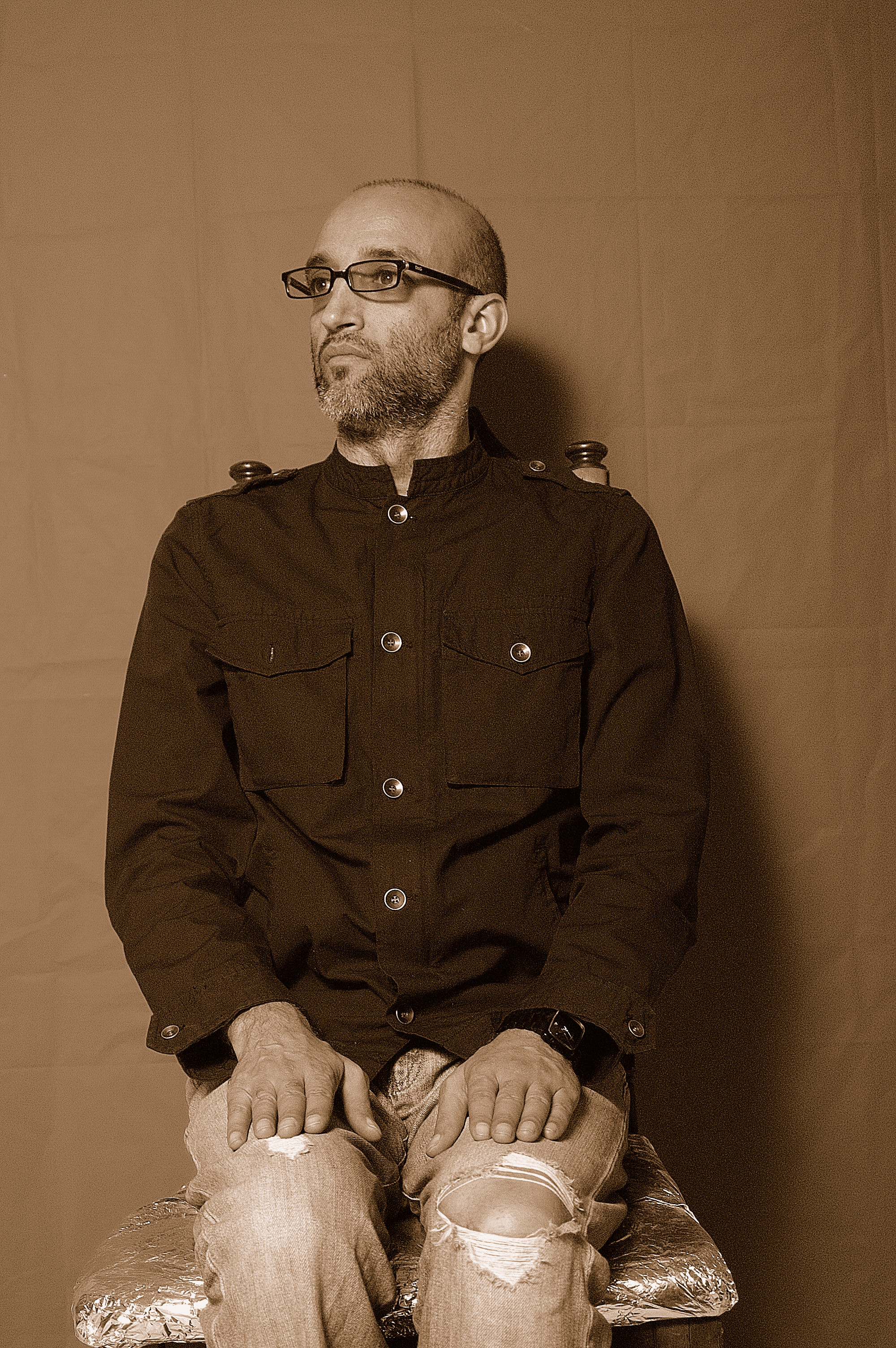
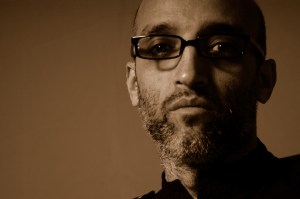 From photographing beautiful models for Playboy in Europe to starting up his own sleek, oversized high fashion and art magazine; Jimon Aframian is a visionary who refuses to sell his soul to the minions of celebrity success and popularity.
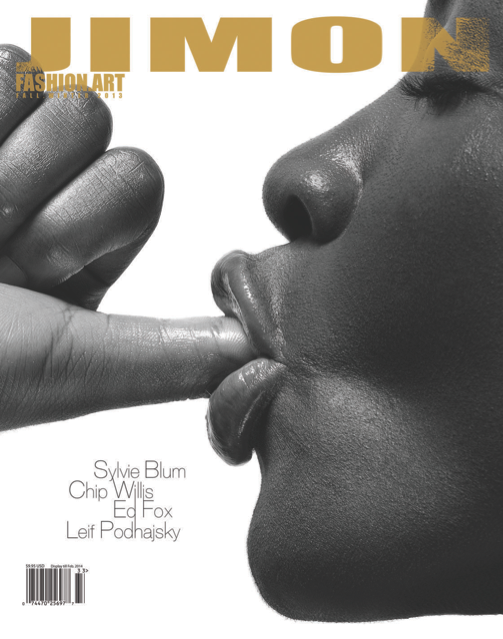
Jimon – the magazine, is celebrating five years of publishing perspective and while Jimon – the man, said that through those years there were many times he had asked himself why he was still doing the magazine, he always found a reason and the tenacity to go on.
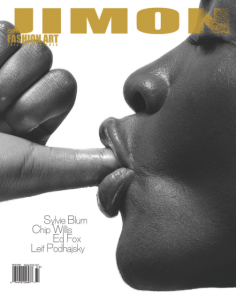
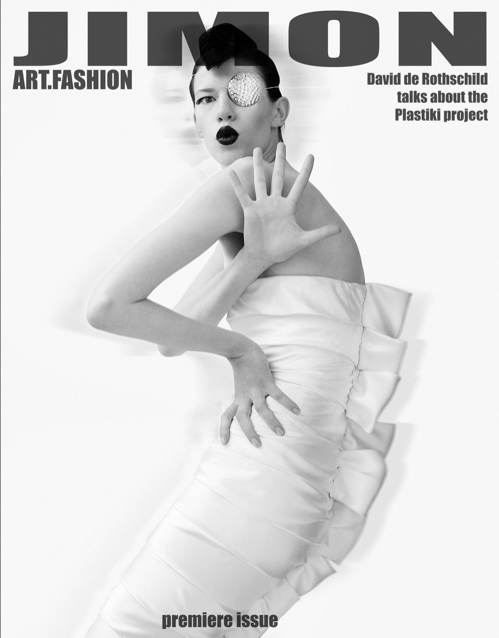
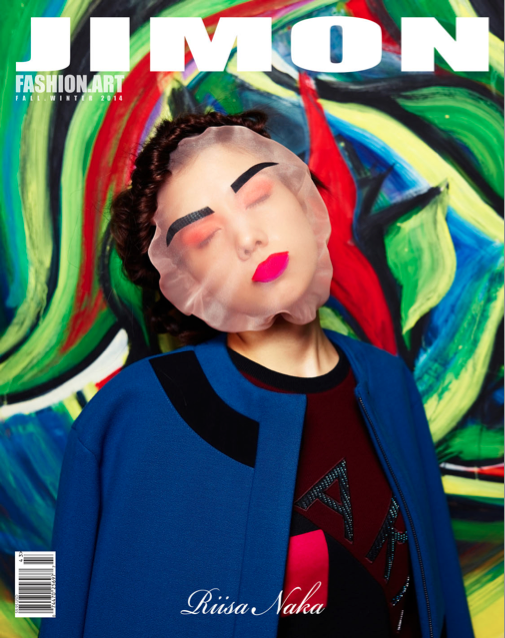
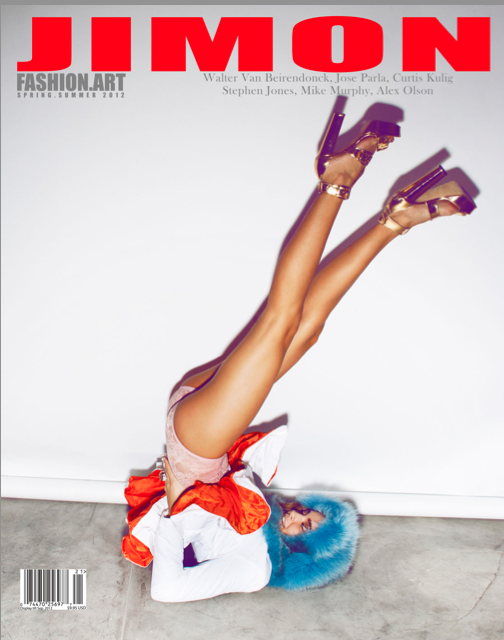
The magazine is filled with different photographers’ muses and displays high fashion in an artful and creative way. When he could have bolstered the magazine’s acclaim and public approval by putting well known notables onto the covers and within the magazine’s pages, Jimon chose to stay true to his vision and the content of the magazine.
And by doing so, the magazine – Jimon is a true extension of the man – Jimon and brings clarity and a maxim of genuineness that cannot be ignored. It is a must-have for your coffee table conversation pieces.
Also a must-have is the limited edition, signed book Jimon is publishing of all 10 issues of the magazine that he has produced over the last five years. But as I said, it’s a limited edition and the copies are numbered. So, get your copy reserved quickly. Mr. Magazine™ is definitely looking forward to his. You can order on Jimon’s Facebook page.
I hope you enjoy this lively celebration of five years in the publishing industry with a man who stubbornly believed in his dream and continues to do so today. It’s a Mr. Magazine™ departure into the world of creative genius with Jimon Aframian, Editor-in-Chief, Jimon magazine…
But first, the sound-bites:
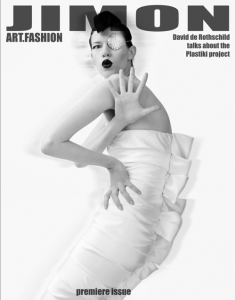 On how he came up with the concept of Jimon magazine: I love photography; so I started working on shooting fashion and soon realized that fashion photography was very different from other types of photography. At some point, I ran into the bureaucracy or maybe I should say the editors’ vision, where my views or my ideas were not really what they had in mind. That kind of set me back a while, but then I said to myself: you know what; maybe I’ll just start my own magazine.
On the biggest challenge he was able to overcome when launching the magazine: I would say the financial part of it. I had no idea; they say ignorance is bliss, well; mine was a perfect case of it. If I’d known at the time what it takes, I probably would have never started it.
On the secret to Jimon’s longevity: Ignorance is bliss, but my personality is one where I don’t necessarily give up that easily. As I went along I realized that this game is not a simple one. In other words, you need to build momentum.
On his most pleasant moment during this five year journey: That’s easy. The most pleasant moment for me was in the beginning, after the first and second issue had come out and I would go to the newsstands, anywhere really, in Milan or Paris or London, L.A. or New York and I would see the magazine that I had started sitting next to the magazines that I adored.
On why he decided to do a five year limited edition book of all 10 of the magazines he has published so far: From the beginning when I started doing it, I wanted to have a certain number of copies held back and publish a book. I hadn’t decided if it was going to be done in five or ten years, but at this point I just decided to do it.
On what he has planned for Jimon in the future: There are times when you ask yourself: why are you still doing this? But somehow you find a reason to keep going. And five more years from now, I would be surprised still, because it’s not easy or sustainable, but you do find a way to keep going with it.
On the advice he would give to someone looking to start their own magazine: If you want to start a magazine, a fashion magazine, have some money. You definitely need money. And you need to know every aspect of it yourself, especially if you don’t have any money.
On what keeps him up at night: It’s really not the magazine. (Laughs) I can tell you why it’s not the magazine; if it kept me up at night, I would not be doing it.
And now the lightly edited Mr. Magazine™ conversation with Jimon Aframian, Editor-in-Chief, Jimon magazine…
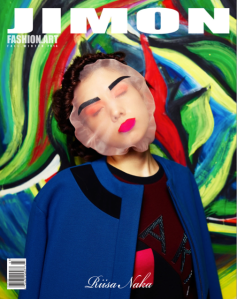 Samir Husni: Congratulations on reaching this milestone: five years of publishing the magazine Jimon. Could you tell me the story of how you came up with the idea and launched the magazine?
Jimon Aframian: I was a photographer for a number of years and I shot Playboy Europe mainly. And I think it was in 2005 when I decided to do fashion because I figured when I’m 50 or 60 years old, it would not look proper for me to be shooting 18-year-old girls naked, although everyone might think it was cool; I wouldn’t think so. But I figured that I would still want to do fashion.
I love photography; so I started working on shooting fashion and soon realized that fashion photography was very different from other types of photography. It’s not that it’s competitive, it’s more: if you have access, I think. And I really can see that from the photography that’s in the magazines. It doesn’t mean the photography is good, but because you have access a person can pretty much create their own genre. And we see it a lot; it’s very common these days. You can see photographers who decide not to shoot the norm; it’s pretty outside of the box because they’ve done it and have found a following. They get paid for what they’re doing now.
I did some fashion and I was pretty good at doing it in California and I did a lot of fashion photography for different magazines at the time and some for European markets. In Europe things are different obviously, but in L.A. I did pretty well.
At some point, I ran into the bureaucracy or maybe I should say the editors’ vision, where my views or my ideas were not really what they had in mind and they would say that won’t work because they wanted simple stuff that people could relate to or understand. The magazine was a lifestyle magazine that I shot for then. So, I shot for a couple of other magazines, but basically what I had in mind was more of a European style and they just did not go for it.
That kind of set me back a while, but then I said to myself: you know what; maybe I’ll just start my own magazine. So, I did and started contacting new photographers that I knew and they were all interested in working with the magazine and shooting for it.
The toughest part was finding the printer to print the format that I wanted, which was oversized and on a very high quality paper. This is not easily found these days, because a lot of printing companies print digitally. And I needed a company that had a specific printing machine called a Heidelberg; I’m sure you’re familiar with them.
So, I looked around and I found a couple of companies that could basically do what I wanted to do. And that’s pretty much how I got started.
Samir Husni: What was the major stumbling block after you found the right printer, the biggest challenge that you were able to overcome when launching the magazine?
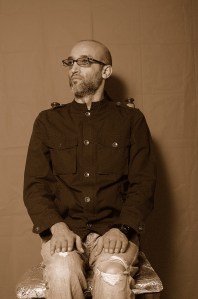 Jimon Aframian: I would say the financial part of it. I had no idea; they say ignorance is bliss, well; mine was a perfect case of it. If I’d known at the time what it takes, I probably would have never started it. And because my background was not in publishing, I was somewhat in the dark. I thought I was going to print a magazine and get advertisers left and right.
Even finding a distributor was very simple because I put a mock-up together and went to a pretty large distributor that carried titles that I adored myself and when they saw my mock-up they said sure, we’ll distribute this. So there was no problem getting a distributor.
Then as soon as the first issue came out I flew to Paris and met with the distributor in Paris and they also picked it up without any problem. I’m sure they had the incentive of not having a lot to do, but still they’re not going to pick something up that is no good. I truly believe that.
Samir Husni: Five years ago your magazine was the exception to the rule. Now we see a host of similar magazines, ones where people are using art/fashion photography to produce magazines. What has kept you going for five years while others after you have already come and gone after one or two issues? What’s the secret of Jiman’s longevity?
Jimon Aframian: I brushed upon this earlier, I think. Ignorance is bliss, but my personality is one where I don’t necessarily give up that easily. As I went along I realized that this game is not a simple one. In other words, you need to build momentum. Just like what you said; a lot of magazines come and go. They do one or two issues because it’s easy.
But to keep doing it over time, it takes a certain personality and the financial part of it is important. I did find some traction in that sense and I did a lot of research. I even went to FIT in New York and did research there because I go every year for fashion week. And I found out how the life of a magazine works. And I looked at other magazines’ histories to see what their progressions were. I found out that some of these magazines were still going strong. Those publications that started in the heyday of fashion magazines were still very popular. There was no internet per se and they struggled for almost ten years before they could really reach a level where they were sustainable.
And then there are the conglomerates. Conglomerates have so many titles they could lose money in. What if they lost money in 50 of them? But they could make money in 200 of their titles. So they distribute them out to keep the name going.
With an independent publisher you have one title and you just somehow have to maintain it the best you can. Everybody thinks that they can start a magazine and make money; I think they’re just hallucinating. (Laughs)
Samir Husni: (Laughs too) So why are you still persevering and publishing the magazine?
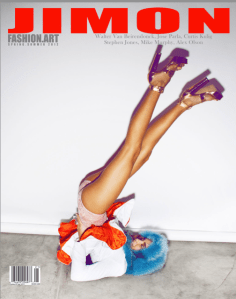 Jimon Aframian: It’s art. To me the magazine is really art because I’ve been approached by artists who want to be in it. But maybe I shouldn’t say artists; I have been approached by certain starlets or some of today’s hottest personalities who have had their publicists ask about them appearing on the cover. And I have had to decline and tell them that this is not that type of publication. Just because I believe the magazine is more of an extension of me. I want to make sure that what’s on it and in it is a representation of who I am. Now for example, if I allow Kim Kardashian to be on it or in it that is completely against who I am. And I think she’s been on the cover of enough magazines lately as it is. (Laughs)
Samir Husni: What was the most pleasant moment for you in this five year journey?
Jimon Aframian: That’s easy. The most pleasant moment for me was in the beginning, after the first and second issue had come out and I would go to the newsstands, anywhere really, in Milan or Paris or London, L.A. or New York and I would see the magazine that I had started sitting next to the magazines that I adored. To see my magazine sitting next to them was pretty much all I needed. That was good enough for me. I counted that as done; achieved and ready. (Laughs)
Samir Husni: You have put 10 issues out over the five year period and you just published a collector’s edition with a very limited number of copies signed by you, which contain all 10 copies of the magazine. Why did you decide to do that?
Jimon Aframian: From the beginning I had this plan. You make a number of copies and you distribute them to the newsstands, Barnes & Noble and overseas. And either they send some back to you or they destroy the extras.
But from the beginning when I started doing it, I wanted to have a certain number of copies held back and publish a book. I hadn’t decided if it was going to be done in five or ten years, but at this point I just decided to do it. But I should have kept some more back for a tenth year book too.
Samir Husni: If you and I are having another conversation ten years from now; what do you envision yourself telling me?
Jimon Aframian: There are times when you ask yourself: why are you still doing this? But somehow you find a reason to keep going. And five more years from now, I would be surprised still, because it’s not easy or sustainable, but you do find a way to keep going with it.
But then again, you’re not willing to sell your soul and you could sell your soul easily. And I refuse to do that.
Samir Husni: What advice would you give the new generation of photographers and journalists? What would you tell someone who came to you and said: Jiman, I love what you’ve done with your magazine; what advice can you give me about my own career?
 Jimon Aframian: Going back to when you asked me about my most pleasant moment; there was another moment that I was really pleased by, which was when the Art Center College of Design in Pasadena invited me to come and speak to their graduating class. They have asked me twice so far. I haven’t been able to go because I have been so busy, but they would invite me to come and talk to their graduating class. They had seen the magazine and they couldn’t believe that it was being produced in L.A. They contacted me and wanted to me to talk to their graduating class in photography. And I was very pleased by that. To me that said that I was doing something right. I might have done a lot of things wrong (Laughs), but I had done something right for sure.
And going back to your question: I would have told each of the students to have a portfolio and find out what they want to do. A lot of people don’t really know what they want. They have no idea what’s out there, but that’s a good thing in this case, because if they did know, they might run away, especially in fashion photography.
The problem is the digital camera because everybody thinks they’re a photographer when they have a camera in their hand. And that’s not the case. A photographer needs to know how to frame something, even if it’s a teapot. And most people don’t know that. And you go to school and you can’t learn that. It’s inherent. It’s something that’s inside you. A person can learn a lot by going to school; you can expose your talent by going to school, but if you don’t know how to do it, it would be really hard on the photographer. You’d probably become a mediocre photographer at best. I would also tell them to keep shooting every day.
Now what would I tell somebody who wants to start a magazine? Or someone who wants to be a fashion photographer?
Samir Husni: How about both? You answered for the photography aspect, but what about starting a magazine?
Jimon Aframian: If you want to start a magazine, a fashion magazine, have some money. You definitely need money. And you need to know every aspect of it yourself, especially if you don’t have any money. If you don’t have money and you’re determined to go and start a magazine, then you need too many people working for you. You have to hire an art director, an editor, a copy editor, a graphic designer, and these people will want money. And if you don’t have the money, it becomes almost impossible. So, you really do need to know a lot yourself.
Besides that, find a niche. You have to have a niche. It could be anything. I went for art and high fashion. And then just do it. Put a mock-up together and go out and do it.
There were stages before I started the magazine… you’re familiar with the magazine called Stern from Germany?
Samir Husni: Yes, I am.
Jimon Aframian: They would show one photographer’s work in each issue, for example. My original thinking was to do something similar to that, but I slept on it for a couple of years and I decided that might be a bit monotonous for me and not work. And that’s why I changed my idea to making a more collaborative effort with five or six photographers in each issue and a few artists.
So, they need to find some sort of theme and let it evolve, because it will evolve. A lot of people will send them a lot of things, but they need to listen and take note of things around them. Some things work and some do not.
Samir Husni: My typical last question; what keeps you up at night?
Jimon Aframian: It’s really not the magazine. (Laughs) I can tell you why it’s not the magazine; if it kept me up at night, I would not be doing it. The magazine, like everything else in life, can be tough. I don’t have children, but I see my brothers and sisters children, and with having kids, there are tough moments, but also a lot of good moments.
So, the magazine is like that. It has a lot of good moments and it brings a lot of good to my life. It’s definitely not the magazine that keeps me up at night.
The magazine is an outlet. We all need something to inspire us and if it’s going to inspire other people, so much the better. I get emails from people telling me they cry when they look through the magazine or they tense up. And when I read that I say, wow, it’s not just me. There are other people who appreciate what I’m doing. And you’re not an artist until other people admire your work. If you’re the only one admiring your own work, you’re a hobbyist, not an artist.
Samir Husni: Thank you.

 It does not take a genius to know that there is no magazine media without magazines and if I may add, there are no magazines without ink on paper. Inherent in the definition of the word magazine since 1731, is the fact that it is a printed bound product made from ink and paper.





 Mr. Magazine