Archive for May, 2014

h1

A Love Affair with Magazines: Crowded, But Loved, South Africa’s Women’s Interest Magazines…

May 11, 2014

Women’s Magazines In South Africa Are A Growing Market And When It Comes To How The Industry Has To Function To Keep Them That Way – The General Manager Of Women’s Interest Magazines at Media 24 – Has The Answers – The Mr. Magazine™ Interview With Liezl de Swardt.

“But the move is definitely just not to digital, the move is to people thinking: I don’t have time for someone or something, meaning a magazine, which doesn’t understand me or bring me something that is really useful.”… Liezl de Swardt

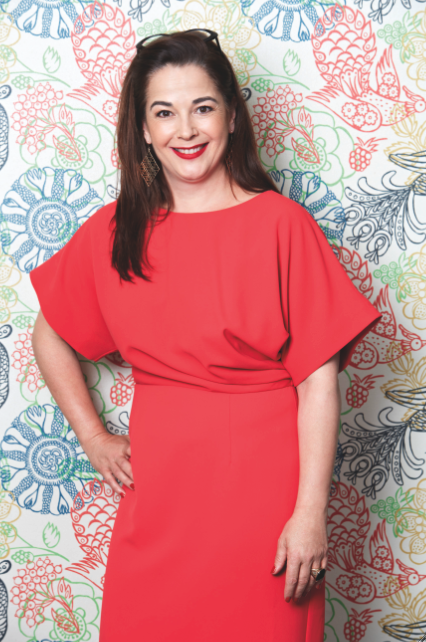
Liezl de Swardt The market for women’s magazines in South Africa may be crowded and it may have undergone drastic changes over the years, but there is one thing for certain when it comes to the country’s readers: they do love their magazines.

Liezl de Swardt is the general manager for Media 24’s Women Interest Magazines in South Africa and is the one with her fingers on the pulse of the women’s market there more than anyone else. On a recent trip to the country, I chatted with her about the market, print versus digital and a host of other topics that are important to their audience, plus the future of women’s publishing in the country and what she’s doing to keep women’s magazines growing there.

So sit back and be prepared to enjoy the informative and eye-opening Mr. Magazine™ interview with Liezl de Swardt, General Manager, Media 24…

But first the sound-bites:

On the women’s market itself in South Africa: We have a very crowded market, but also a very long history of excellent magazines.

On print versus digital in the country: While all of our developing titles also have mobile sites and they’re very successful, it’s not like Time Magazine, ours are something you might read while you’re sitting in a taxi having a quick look, but the print magazine is the big currency.

On the future of women’s magazines in South Africa: I’m a half full type of girl, so I always say the glass is half full. But our biggest challenge is to rethink the way we’ve always done business.

On the major stumbling block she has faced: Our biggest stumbling block would probably be we think the advertisers will come back or the readers will come back. Nothing will just come back.

On her most pleasant surprise: The biggest excitement for me is unlocking niches. There are still areas of incredible excitement and interest. And we have an ability to get quickly in there.

On what keeps her up at night: The immense responsibility that I feel about the legacy brands that we have and how to sustain them in the future.

And now the lightly edited transcript of the Mr. Magazine™ Interview with Liezl de Swardt, General Manager, Women’s Interest Magazines, Media 24…

Samir Husni: Can you tell me a little bit about the women’s magazine market in South Africa?

Liezl de Swardt: We have a very crowded market, but also a very long history of excellent magazines. And the traditional population that loves their magazines read a lot. But over the last 10 years the market has changed dramatically. Our general interest women’s glossies that were always the very big ones have declined in circulation. There was a lot of new interest in the market, mostly licensed. They came in about 10 years ago and a lot of them have now exited the market.

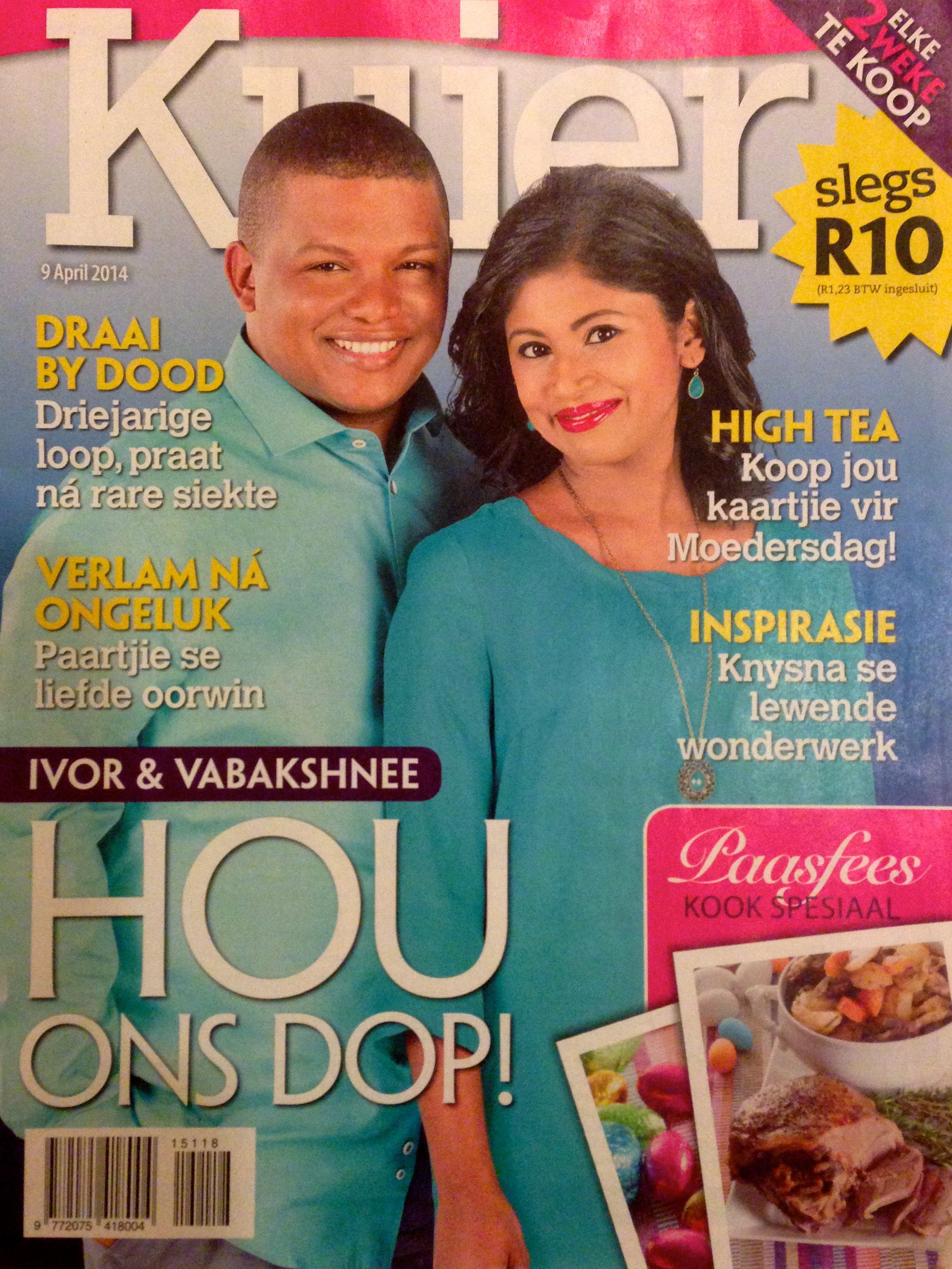
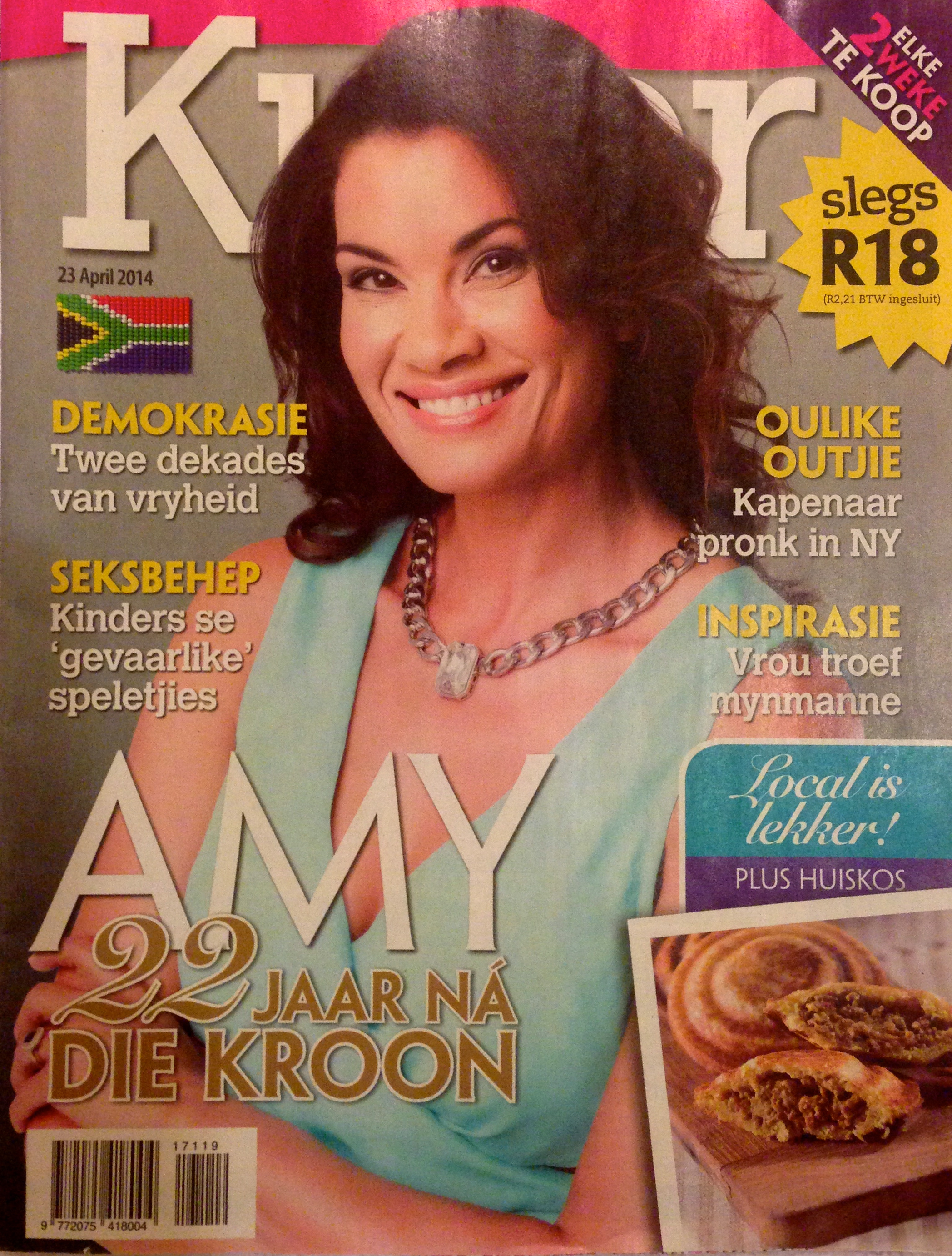
So over the last two years the market has contracted quite tremendously to the point where we are now left with a few traditional mass market glossies at the top, a sprinkling of licensed titles that have contracted a lot and the only area where we are seeing some really exciting growth is right at the lower end, so nothing glossy. Only the very practical, very direct and very focused magazines on, not niche in terms of small, but niche in terms of a very tight focus on very specific groups, for example we have Kuier, which is a bi-weekly magazine aimed at a mixed race audience, it’s quite a tight focus and our fastest growing title.

On the other end of the spectrum, focusing on black women, we used to have, or we still have, True Love, which is a big iconic title and it is contracted whereas Move! is much cheaper and it’s weekly, very practical, very salacious and growing rapidly.

Samir Husni: A lot of people think print is something from the past and digital is becoming the mainstay, but you’re telling me something different…

Liezl de Swardt: South Africa is a developing country and we basically have three countries in one. At the top end, we have a large penetration of digital devices and we also have a large population who’s not necessarily becoming first-time readers, but first-time magazine buyers.

Whereas the developing market has moved on from the top magazines that we worked on when we came into the industry about 20 years ago, those magazines are very useful for a whole lot of new readers.

And while all of our developing titles also have mobile sites and they’re very successful, it’s not like Time Magazine, ours are something you might read while you’re sitting in a taxi having a quick look, but the print magazine is the big currency.

Samir Husni: How do you view the future of women’s magazines in South Africa? As one of the top publishers in the country; if someone asks you – is the glass half full or half empty?

Liezl de Swardt: I’m a half full type of girl, so I always say the glass is half full. But our biggest challenge is to rethink the way we’ve always done business. On the glossy side, while the African market is much more balanced in terms of circulation versus advertising income, the glossy magazine market is definitely funded by advertising income and circulation income was secondary to that. With tremendous pressure on advertising income, we have to cut our cloth accordingly to put into what we can attain through circulation income, which means being more cautious of our spending, in terms of what we spend I production, also sometimes contracting our market by putting cover price up.

So I think the future for us is more expensive, luxurious titles for the top end, whereas we have a title like Ideas which is focused on people who love doing crafts and creative things, we don’t get advertising for the magazine, well, we do, but very, very slight, it’s very expensive editorial to produce because it’s original crafts and we nearly doubled the cover price, but we lost in circulation. And I think that’s the kind of thing we’ll have to do in the future.

About five years ago we were doing a lot of things to satisfy advertisers and not necessarily the readers. The future of magazines is to satisfy the readers’ very specific needs and if we satisfy them, they’ll either pay for it or advertisers will want to get to those readers.

And the same principle applies to the bottom end of the market because if we do things there that advertisers want, then it’s not right for the market. If we do things right for the readers, there’ll be loads of them, and then advertisers can’t ignore them.

Samir Husni: So what do you think is the major stumbling block in this strategy?

Liezl de Swardt: The stumbling block for us is to be incredibly sober about titles, the brands and practices, meaning the way we’ve always done things and to ask: is this the right way for the future, because not all of the brands that we’ve had are always sustainable for the future. Or the way that we’ve done it has always been sustainable for the future.

In some instances it would be about the general interest glossies, but I don’t think just general interest is ever going to work anymore. In order to capture people’s attention we just have to be much, much stronger on the bottom end in terms of exactly what we deliver.

So if we think it will never be business as usual, we cannot think, but oh, it used to work in the past. Our biggest stumbling block would probably be we think the advertisers will come back or the readers will come back. Nothing will just come back.

But the move is definitely just not to digital, the move is to people thinking: I don’t have time for someone or something, meaning a magazine, which doesn’t understand me or bring me something that is really useful.

Samir Husni: And what has been your most pleasant surprise during this transitional period?

Liezl de Swardt: The biggest excitement for me is unlocking niches. There are still areas of incredible excitement and interest. And we have an ability to get quickly in there. We’ve been in the industry for a long time and we used to think: oh, we plan something and we recruit an editor and we plan that maybe in six months’ time we’ll put out a magazine, for example, Lose It! was an idea and less than 60 days later, we had our first issue out on the street. No extra team, nothing; it was just get it out there. And I think our success will be about using our existing expertise in teams and acting very quickly on what could been seen as fads or trends, but things now have to be done immediately. You can’t set a goal for three years from now. If it’s good, it’ll work immediately. If it’s not good, it’s not going to work anyway.

So we have to be a bit tougher on ourselves and less tough on the market.

Samir Husni: How many titles do you oversee?

Liezl de Swardt: 40 brands, which is about 26 magazines.

Samir Husni: And my typical last question; what keeps you up at night?

Liezl de Swardt: The immense responsibility that I feel about the legacy brands that we have and how to sustain them in the future. Because we have extraordinary brands that have been around for many years and the world’s magazine archives are full of iconic brands that died or were phased out. And I don’t want to be that one who messes up one of our archive brands.

Samir Husni: Thank you.

© Samir “Mr. Magazine™” Husni, 2014 All Rights Reserved.
Truth in Reporting: Media 24 Magazines in South Africa, is a media company that I consult for. This interview is not related to my consulting role, but rather giving my readers a better understanding of the magazine and magazine media marketplace in South Africa. This is the third of four interviews.

h1

Giving Its Readers A “Voice” Is The Mission Behind Kuier Magazine – The Number Five Magazine In South Africa.

May 9, 2014

Kuier Translates To The Word Visit In English And Never Has A Print Product Been So Apropos Of Its Name – The Mr. Magazine™ Interview With Kay Karriem – Editor-In-Chief – Kuier Magazine…

“Because our philosophy is we don’t want to be the best magazine in South Africa, if you are looking for the best magazine in South Africa, Kuier is not it. We do not want to be it, nor do we aspire to be it. We want to be your favorite magazine.”… Kay Karriem

kay karriem Cape Town, South Africa: First of its kind in South Africa, Kuier Magazine exists to give readers practical and realistic advice on everyday things like finance, careers, relationships, parenting and health. Affordable and relevant is their mantra.

Kay Karriem is Editor-In-Chief and believes so strongly in the down-to-earth approachability of her community-based print product; she has no doubt about its continuing growth. Today it is the fifth most popular magazine in the country. But by tomorrow, who knows! If its Editor-In-Chief’s enthusiasm is any indicator, the magazine will surpass its current placement very quickly.

On a recent trip to South Africa, I spoke with Kay about Kuier magazine, and learned a tremendous amount about loyalty to the audience and a cluster community of readership unlike anything most of us have ever known.

So sit back and enjoy the Mr. Magazine™ conversation with the Editor-In-Chief of Kuier Magazine, Kay Karriem…

But first the sound-bites…

On why she believes the magazine is growing with readers so quickly: You know Kuier in itself is a mission. It’s not just a magazine, it’s a statement about South Africa and it’s not just for enjoyment, it means something, because Kuier is the first of its kind.

On keeping her finger on the pulse of the magazine’s audience: I don’t want to sound like it’s simple, but in a way it is simple, because the kind of woman that I write this magazine for; she is my mother, she is my grandmother or my aunt because they all need it and they all have something to say about it.

On whether she believes the magazine’s popularity has grown due to its message or the lack of that message up until Kuier: Definitely it’s a combination. Once you’re fulfilling the message and the gap, people start to look at the other products out there that they have been buying and ask: why haven’t you been talking to me?

On her stance about the digital side of the magazine: So we said goodbye website and we launched a mobile site instead where we, in our philosophy, take Kuier the brand to the platforms, not content.

On the biggest stumbling block she’s faced: I would say the advertising sales department because as much as I believe in this market and the size of this market, our target market, they are not very attractive to advertisers because in the country’s history it is a true wisdom of economic power; where does the money lie?

On her most pleasant surprise: To have people come up to me and ask: do you know what a difference this has made in my life? Just to know Kuier has made that difference in their lives is wonderful.

On what keeps her up at night: It’s my team. I worry for them. Because they believe in the vision and the work we do and why we do it, so I worry about them.

IMG_5240 And now the lightly edited transcript of the Mr. Magazine™ interview with Kay Karriem – Editor-In-Chief – Kuier Magazine…

Samir Husni: You’re the editor of one of the fastest growing magazines in South Africa; could you tell me a little about it and tell me why you think the printed magazine is growing so fast?

Kay Karriem: You know Kuier in itself is a mission. It’s not just a magazine, it’s a statement about South Africa and it’s not just for enjoyment, it means something, because Kuier is the first of its kind. It came into being at an opportune time in the history of South Africa; there was nothing like it before in the community and people adopted it because it made them feel like there was finally something for them. So it immediately changed the media landscape. And the community, which was the target market it was for, they took ownership of it immediately as well. We did no marketing, per se, of the magazine to sell it to the community. Once they took it up, they were the marketers and they sold the magazine. They would tell their neighbor: did you see this? And that’s how the magazine became so popular, by word of mouth.

It went from a nothing magazine, to number five in the country through the people who read it. All our events, our Mother’s Day event is coming up, the tickets sold out within an hour and people called and complained by saying why couldn’t I get a ticket and why are the events so small, because it is very important for them to be at our events, due to the fact that they are geared specifically for them. Everything in the magazine is for them. They get that feeling and it’s their magazine. We didn’t have to sell that message, we didn’t have to sell this is for them, they can see for themselves that the recipes and fashions are for them and the stories are about them and they could feel that and it became their mission with us to make it a go.

IMG_5241 Samir Husni: You’re so passionate about this magazine and your passion is reflected on the pages of the magazine. How do you keep your finger on the pulse of that audience who thinks this is their magazine and they are the ones promoting it?

Kay Karriem: I don’t want to sound like it’s simple, but in a way it is simple, because the kind of woman that I write this magazine for; she is my mother, she is my grandmother or my aunt because they all need it and they all have something to say about it. And what they should do next.

Every time I go home they come with the magazine and they tell me that was a good story or they ask me, why did you do this? And they even comment on my lead-ins, because sometimes I write about my family and they will ask, why did you say this? Your grandmother never did this. They comment and stay so involved in it.

So I know what’s going on their lives and their struggles and I reflect that in the magazine. So in a way it is easy, because we talk about what’s happening right now in their lives and communities. And that’s how I knew what was missing for so long, because no one ever took the time to say this is a valuable community and it is a community that needs to be served. Their voices need to be heard and their stories need to be told in the magazine, because they were ignored for so long.

That’s why our team always talks about the service we offer everybody, we are in the service industry, how can the consumer feel valued, when they’ve never been valued before. So we take time to listen. Customer service is very big. Even though we ourselves are not directly involved in customer service, we have a team that takes care of that, we do answer them on Facebook to service the needs of our customers. We feel that they need to be heard and they’ve never had that kind of service before. So that is the cornerstone of Kuier.

Samir Husni: Because of the growth of the magazine and in reaching the number five spot; do you think that mainly happened because of the message or the lack of the message for years and now people are hungry for it?

Kay Karriem: Definitely it’s a combination. Once you’re fulfilling the message and the gap, people start to look at the other products out there that they have been buying and ask: why haven’t you been talking to me? I’ve been buying you and have been loyal to you, so why aren’t you talking to me in my language about the topics that matter to me? I have been buying your excuses for years, but now someone else is printing that I am number one. At Kuier, we treat our target market like they are the main dish, where others treat them like a side dish. And people see that.

And also now in the economic times that we’re all in, we contribute through the middle class market, while everyone else is into the upscale market. They want to be glossier and aspire more; no one wants to look cheap. And I always say there’s a big difference between cheap and affordable. And we want to be affordable. We want to talk to people on that level.

Kuier has two points in the market: the cultural point, which is the mixed race market and the economic point; all of a sudden there are areas in five or six middle class that have become your attractive markets and then there is the other market, which is upwardly mobile, and they’re going to become yours as they move, so we want them now and for them to become loyal to us.

And they need affordability. And they can’t afford these products that are going higher and higher by the day because they are chasing profit margins. So, whoever is very unattractive to everybody else is very attractive to us. Because our philosophy is we don’t want to be the best magazine in South Africa, if you are looking for the best magazine in South Africa, Kuier is not it. We do not want to be it, nor do we aspire to be it. We want to be your favorite magazine. Because that’s the one you keep coming back to.

Samir Husni: Are you afraid of the digital side of the business?

Kay Karriem: Absolutely not. At Kuier we were the first, because we are so budget conscious and in tune with our market, we never had money and we would put a website on and we would get knocked down because everybody believed our market did not have access to the Internet. And with the cost, we just didn’t have money for a website.

So we had to come up with a solution on whether we wanted digital in our spectrum. So we said we do not want a website, cancel the website.

We decided that the technology our market has the most access to, and yes, they do have Internet, but a website isn’t the best solution, our market has their cell phones everywhere. The first digital option shouldn’t be mobile, as in an iPad tablet, it should be mobile as in a phone.

So we said goodbye website and we launched a mobile site instead where we, in our philosophy, take Kuier the brand to the platforms, not content. So you don’t have the same content on the mobile site that you have in the magazine and on Facebook, but the brand values are the same across all the platforms.

So for example we would have, and we call it Mini-Kuier because you take it everywhere with you, these questions, like: how has the mobile phone changed our physical behavior and we came up with people sitting on trains and doing this and we demonstrate the thumbs and the posture of texting, when they’re not talking on their phones and we wanted to give them something. And we’re not a news source, so we’re not giving them news updates.

But what is our brand about? It’s about people, engagement and community. So we wanted those things to be on the mobile site as well. And our recipes are very popular, so we give them recipes. Something you can pick up on your way to work and make in the same day.

People are creatures of habit. So if you are traveling the train or bus every day, we give you a short story or a chapter of a book to read, so you can do it with us daily and it’s a habitual thing. But that you don’t find on our Facebook or in the magazine, only on our mobile. That’s one thing we don’t do is repeat content. Each platform is its own unique property. So this is where we see the growth of the brand, in the digital format.

Samir Husni: What has been the biggest stumbling block that has faced you in your career with the magazine?

Kay Karriem: I would say the advertising sales department because as much as I believe in this market and the size of this market, our target market, they are not very attractive to advertisers because in the country’s history it is a true wisdom of economic power; where does the money lie? The old money is white, the new money is black African, so somewhere in the middle and not a very attractive proposition, is the mixed race audience and you have to do so much convincing that the mass middle class market is upwardly mobile and that this market can’t go down.

Everything shows that over the past 20 years that market has grown, not just in numbers, but also economically. And they don’t want to be talked to as just a mixed race market, they are saying if you want our money, talk to us in a different way. We are strong economically, so if you want our money talk to us and not just as a part of something else. So convincing advertisers that yes, this is a viable, growing market, can be tough.

Samir Husni: What has been the most pleasant surprise?

Kay Karriem: To have people come up to me and ask: do you know what a difference this has made in my life? Just to know Kuier has made that difference in their lives is wonderful.

And you can ask anyone on the team, they can’t go into stores without people recognizing them as associates of Kuier. They recognize everyone on the team.

And people love sharing their stories with us and we encourage that. Our stories are very personal and people recognize our team because of that sense of community. It extends to the staff and we love it when people come up to us and tell us that we have changed their lives.

Samir Husni: My typical last question, what keeps you up at night?

Kay Karriem: It’s my team. I worry for them. Because they believe in the vision and the work we do and why we do it, so I worry about them. We are here to change the South African media, not just set and accomplish goals. It’s never had a Kuier.

We believe so strongly in our magazine that we sometimes call it the Church of Kuier. We’re not just here to draw a paycheck; we have a mission in life. And my team and I are in it together. And that mission is our driving force.

Samir Husni: Thank you.

© Samir “Mr. Magazine™” Husni, 2014 All Rights Reserved.
Truth in Reporting: Kuier magazine is published by Media 24 in South Africa, a media company that I consult for. This interview is not related to my consulting role, but rather giving my readers a better understanding of the magazine and magazine media marketplace in South Africa. This is the second of four interviews.

h1

A Launch Story: Lose It! A New South African Magazine Promoting A High-Fat Low-Carb Diet…

May 7, 2014

People May Wonder If South Africa’s Suzy Brokensha is “Losing It” With The Launch Of A New Magazine Promoting A High-Fat Diet – But The Editor-In-Chief Of Fairlady Magazine Is Quick To Tell You That’s Just Not True – The Mr. Magazine™ Interview With Suzy Brokensha…

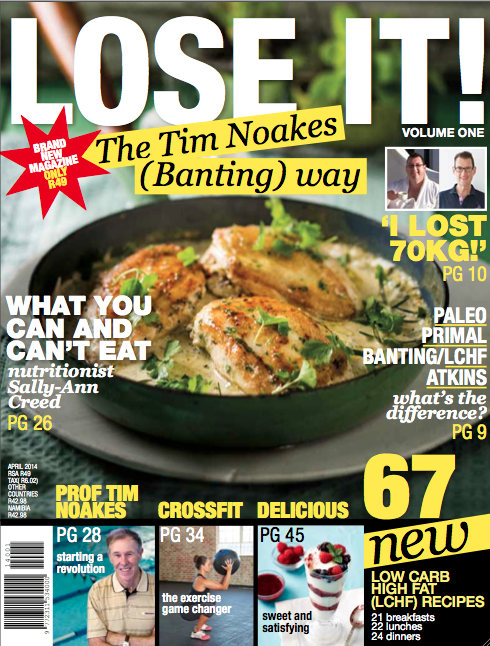
Screen shot 2014-05-07 at 11.16.07 AM Cape Town, South Africa: Controversial doesn’t even begin to describe it, low-carb and high-fat; two terms that most nutritionists and doctors have heart palpitations over when they hear them. But the Editor-in-Chief of South Africa’s Fairlady magazine, Suzy Brokensha, isn’t sweating it. She believes in the concept and in the new magazine: Lose It! 100 percent.

The new ink on paper product is inspired by Professor Tim Noakes and his reversal of his former doctrine of a high carb diet. Once a promoter of this type of eating routine with his book “Lore of Running” Noakes backtracked a few years ago when late onset diabetes took the lives of his father and uncle. His change in view has brought him both kudos and lividness from South Africans and people everywhere.

But Suzy Brokensha – Editor-In-Chief of the new magazine – is behind him all the way. She knows first-hand due to her own family’s experience with late onset diabetes that sometimes the most logical of ways doesn’t always work and blazing new trails with a print magazine that provides cutting edge evidence of unfamiliar horizons may be the only right answer.

I spoke with Suzy on a recent trip to Cape Town, South Africa and her beliefs and convictions about this magazine and as she calls it: this movement, are evident in our conversation.

So get ready to hear some things your cardiologist may not want you exposed to as you read the Mr. Magazine™ conversation with Suzy Brokensha about the new print magazine – Lose It!…

But first the sound-bites…

On the concept of the new magazine: The new magazine is based on the Banting Diet, or a low-carb, high-fat diet that is not new at all.

On why she decided to launch Lose It! in the first place: I became interested in it about four years ago because my dad was also a late onset diabetic and because he died in the end of diabetic complications. And I know diabetes is a huge issue in South Africa and my brother is also a pre-diabetic and I didn’t want it happening to me.

On the initial reaction from the marketplace: It’s only been on street now for about a month and the initial reaction was incredibly positive.

On the uniqueness of the magazine and the diet itself: So I think what appeals to men is that performance aspect of it. You don’t feel deprived, in fact, you feel very satisfied and it’s a very satiating diet.

Screen shot 2014-05-07 at 11.02.12 AM On the need for print versus a digital entity: I think this is a magazine that explains the differences and the route that we’ve taken. And it’s very direct and it’s very directional. And it tells you exactly what to do. Whereas if you went online, you might find different, little snippets of information from a whole lot of different sites, but it wouldn’t be as directional as the magazine.

On what keeps her up at night: What am I worried about? I’m not worried at all about this magazine. There is absolutely nothing that worries me about it. I think that we’re lucky in that we struck at the right time.

And now the lightly edited transcript of the Mr. Magazine™ interview with Suzy Brokensha – Editor-in-Chief of Lose It! magazine…

Samir Husni: You recently launched a new magazine – Lose It! – can you talk a little bit about the concept of this magazine?

Suzy Brokensha: The new magazine is based on the Banting Diet, or a low-carb, high-fat diet that is not new at all. The first person to talk about the diet was probably Atkins, maybe forty or fifty years ago, when the idea for the Atkins Diet first came into being.

And since then it has been written about extensively by Gary Taubes in the States, in particular. He’s the most famous. He wrote a book called “Why We Get Fat” and it’s all about the Banting Diet.

The first incidence of the diet was around 1812 when a British doctor advised his client to go on the diet and he lost a huge amount of weight. He was a very wealthy guy and he published a little book about the diet which is still circulating today and is quite fabulous. It’s beautifully written actually.

Anyway, it’s been around for a long time, but what happened was in the 70s the whole way that we eat changed. And it basically coincided with the food pyramid in the States which had all the carbohydrates at the bottom and right at the top, a few fats and oils, vegetables and fruits. And that diet and that way of eating have been recommended for years.

The history is that what happened in America in the 70s was that there was a problem with corn growers and they weren’t making money and actually that pyramid was deliberately designed, not by nutritionists, but in order to boost the sales of the corn growers in Middle America, which it completely did.

And what it did also was create a market for corn starch which is the most lethal substance known to man. And American food, in particular, is full of corn starch. It’s incredibly fattening, with no nutritious value at all. And it’s highly addictive.

So all this diet is really is looking at all of the 70s and looking at the way people ate then with more real food and less pre-packaged food, where the idea of low-fat didn’t exist. Because when they take fat out of a product, to make it appetizing, they have to add sugar. And even if it’s artificial sugar, that’s what they do and none of that is good for you.

If you look at the amount of sugar, for example, that we eat now in the Western diet, compared to the amount of sugar Westerners ate 80 years ago, it increases unbelievably. And it’s not only in the diet drinks; it’s specifically in the low-fat foods. And that’s the issue.

Samir Husni: So why, after all these years, did you decide to launch Lose It! magazine now?

Suzy Brokensha: Well, what’s really interesting is South African Professor Tim Noakes who has become very famous internationally because of this book; he was always a marathon runner. He himself has run about a 150 marathons, he’s very fit, started the Sports Science Institute in South Africa and he wrote a book about 15 or 20 years ago called “The Lore of Running.” It was all about how a high carbohydrate diet was essential in order to run or to be an athlete and to be healthy.

And his father was a late onset diabetic and he became a late onset diabetic and he started noticing in himself that he couldn’t run anymore and he was getting fatter despite the fact that he was eating sort of militantly healthily according to his own doctrine. And he started questioning what was going on. And he kept on trying to exercise more and he tried to eat more carbohydrates and less fat, but nothing worked. And he saw himself going exactly the same way as his father had gone.

And when he started questioning it, he realized that he was wrong. And he had the courage to, about three or four years ago, to come out and say that he was wrong and that he wished he’d never written that book. It was wrong. Every bit of advice I gave about carbohydrates in that book was wrong. And in South Africa there was a massive backlash against him. Everyone was livid that this guy who they had revered for so long could reverse his decision. I thought it was excellent science. I thought with all the evidence to the contrary, it’s a great scientist who can reverse his decision and say that he was wrong.

I became interested in it about four years ago because my dad was also a late onset diabetic and because he died in the end of diabetic complications. And I know diabetes is a huge issue in South Africa and my brother is also a pre-diabetic and I didn’t want it happening to me.

So I started reading what he was saying and I went to all the talks that he was giving and I tried to get as much information as I could. And I thought he really is changing the way that people think about food in this country. And I started looking at the response when he wrote the book “The Real Meal Revolution” and it sold 200,000 copies in South Africa which is really the biggest selling book we’ve ever had in this country. And I thought there is a market for a magazine like that. The book was mainly a recipe book and there is so much information to get across about this diet that I thought it was ripe for a magazine.

I sat next to him at the launch of his book and I said to him what you need is a magazine and he said perfect. And he said we need to get the information out there, so I knew that we had his interest. And that’s what we did. We started the magazine.

Samir Husni: And what was the initial reaction from the marketplace?

Suzy Brokensha: It’s only been on street now for about a month and the initial reaction was incredibly positive. I think that I’ve seen two detractors on Twitter who were saying it’s absolute nonsense, it’s unhealthy, how could you recommend a high-fat diet in a country like South Africa, isn’t that irresponsible when obesity is such a huge problem.

But the point is that it makes people lose weight. And that diabetes is a massive issue in South Africa and it actually stops late onset diabetes, diabetes Type II. Most people go off their medication when they’re on this diet.

The biggest criticism comes from cardiologists or people who say it’s bad for your heart. And increasingly, as you know from Dr. Oz, you’ll know that cardiologists are reviewing that decision that they made all those years ago, that fat or cholesterol is the cause of heart disease. But they are seriously reviewing it now. I see it as the beginning of a movement, a revolution. And I believe in it.

Samir Husni: So do you feel you are a leader in the movement?

Suzy Brokensha: I do. I feel like I’m a leader, because there hasn’t been a magazine like this. There is a Paleo Magazine, I think; I’m not sure where it’s published, probably in the States. But it’s a different diet. I just don’t think there’s anything like it in South Africa.

And I know that it’s hugely influential because sports people are increasingly using it, because it improves their performance.

Samir Husni: After looking at the magazine, you are reaching a dual audience. You are going after, men, women and children. Most diet magazines are aimed at women; it’s rare to see a diet magazine aimed at men. What’s the uniqueness of Lose It!?

Suzy Brokensha: What I think is interesting is that it’s your performance that improves, your performance in life improves, your brain functions better, you can run farther, and you can run faster. If you look at those statistics about people who are on this diet and Professor Tim Noakes is tracking some of those people, the athletes and their performance since they started eating this way; it’s absolutely incredible. Someone I read about recently knocked 21 minutes off their marathon. And that’s really huge.

So I think what appeals to men is that performance aspect of it. You don’t feel deprived, in fact, you feel very satisfied and it’s a very satiating diet. Because of the fat, because the fat, the fix and the hormones that tell you that you are full. And that’s actually always been the problem with low-fat diets; you never feel full because you constantly feel dissatisfied because those hormones are not activated.

But the person eating a high-fat diet, those hormones are activated, so they don’t feel deprived and they perform better. And they sleep better and that fact appeals to men, I think and that whole idea that they’re functioning as a bit of a machine. And women like it because they lose weight.

Samir Husni: And why did you feel the need for a print magazine instead of just going to the website and finding all that information?

Suzy Brokensha: I think it’s about curating. So we have got several different experts speaking in this magazine and they will appear in all the magazines. And it’s about a different aspect every time. We work together to curate the best content possible for this.

So you could find little bits, but everybody that I have spoken to as well has asked: what is the actual difference between Paleo, Atkins and Banting? What are the actual differences between multitudes of diets? And I think this is a magazine that explains the differences and the route that we’ve taken. And it’s very direct and it’s very directional. And it tells you exactly what to do. Whereas if you went online, you might find different, little snippets of information from a whole lot of different sites, but it wouldn’t be as directional as the magazine. It’s a blueprint, not just a magazine. And I don’t think we could have done that just online and achieve the same thing.

Samir Husni: Do you think it’s a trend or a fad?

Suzy Brokensha: I don’t think it’s either. I think it’s a return to the truth of how we should eat. Because I think a trend also implies that it will have an end; I think this is a rediscovery of the way that we should eat. I also think it will last forever and have a massive impact on the way people will live their lives.

Samir Husni: And I have to ask you; do you follow the diet?

Suzy Brokensha: I do. But my weakness, and it’s interesting as to what your weakness is, some people battle an issue with carbs, I don’t do battle with carbs at all. I’m not eating bread or pasta, that doesn’t bother me. Potatoes? I wouldn’t care if I saw any of that again in my life.

My weakness is chocolate and wine. It’s those two things. And you can have both sparingly, but it’s the sparingly that presents the problem.

Samir Husni: My typical last question; what keeps you up at night?

Suzy Brokensha: What am I worried about? I’m not worried at all about this magazine. There is absolutely nothing that worries me about it. I think that we’re lucky in that we struck at the right time. I think that there are going to be followers and imitators. My main concern is when we were thinking about it was to get it out first. I wanted to be first and to put it out with the authority of the people we have contributing to the magazine. And I think we have achieved that and I’m sure there will be imitators, but because we were first and because we have that staff of authority; we will stay the distance.

Samir Husni: Thank you.

© Samir “Mr. Magazine™” Husni, 2014. All Rights Reserved.
Truth in Reporting: Lose It! magazine is published by Media 24 in South Africa, a media company that I consult for. I had no role in the launch of Lose It!.

h1

Covering Every “Stitch” Of The Crafting Community And Every “Thread” Possible; Stampington & Company Isn’t Slowing Down When It Comes To Launching New Magazines In Print…The Mr. Magazine™ Interview With Christen Olivarez – Editor-In-Chief & Director Of Publishing – Stampington & Company…

May 2, 2014

“It sounds silly that we have a magazine about aprons, but it’s still doing extremely well. And people who love aprons love aprons. That’s what we’re finding.”… Christen Olivarez.

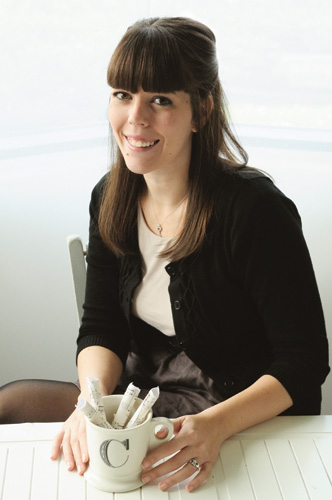
Christen Olivarez When it comes to the art of crafting, no one does it better than Stampington & Company. Not only do they publish the largest number of crafting and arts magazines in the industry; the magazine media company recognizes the value and the target points of niche marketing as well.

With seemingly endless additions to their repertoire, Christen Olivarez, Editor-In-Chief and Director of Publishing, talks with Mr. Magazine™ about the company’s desire to fulfill every want their readers might have by offering up a multitude of variety and discernible selection when it comes to the titles available under their banner.

And in the words of the inimitable Carly Simon, “Nobody Does It Better.” From crafts to cooking to business to aprons – yes, I said aprons, Stampington & Company is proving that niche is where it’s at when it comes to launching new magazines.

So grab your favorite pastime and bring it along as you read the Mr. Magazine™ interview with Christen Olivarez – because there’s a good chance she has a magazine just for you…

But first the sound-bites…

On why she believes there is still room for more crafting magazines:
What we’re noticing is that the entire craft movement and even just a move back to domesticity with cooking and things like that are becoming more and more popular especially thanks to the rise of Pinterest as a website.

On whether or not she believes print is the right platform for all their new launches:
Right now we’re solely focusing on the print product and any of our new publications; upon first printing is always a print magazine.

On all the specialized titles and whether they’re still reaching the same audience: I think what we’re trying to do is that we’re finding that a lot of our loyal readers and some of our new readers have so many interests that we’re trying to cater to all them.

On the major stumbling block they’ve faced:
Our biggest thing is just trying to keep everything fresh so that people feel drawn to pick up the magazine when they could just as easily find something on the computer to make.

On her most pleasant surprise:
That people still get so excited about our new launches.

On her favorite title out of the 32 they have: That’s just so hard. I’ve been with the company for almost seven years and I’ve been in charge for a little over three years now. I have to say right now that Willow and Sage has taken me completely by surprise, I can’t believe how much I’ve grown to love it.

On what keeps her up at night:
For me, it’s all the ideas we have and how we’re going to put them into place and where we’re going to put them.

And now the lightly edited transcript of the Mr. Magazine™ interview with Christen Olivarez – Editor-In-Chief and Director of Publishing – Stampington & Company…


1WIL-1401 Samir Husni: Over the last few years, you’ve been bringing a lot of new titles into the fold. So why do you think there is still room for more craft, business and cooking magazines, the style that you do, on the market? Why did you think that today was a good time to launch yet another one with Willow and Sage?

Christen Olivarez: What we’re noticing is that the entire craft movement and even just a move back to domesticity with cooking and things like that are becoming more and more popular especially thanks to the rise of Pinterest as a website. More people are getting involved in arts and crafts; it’s becoming a more mainstream type of hobby versus just a few select women doing it at home. As well as a lot of people are realizing that they can make this into that and so we’re able to launch a magazine based on having creative businesses.

So we really just watched the industry as a whole and saw what seemed to be emerging as a trend and a lot of our readers were at the forefront of setting those trends. So that’s what really determines how we’re going to launch a magazine. We don’t have big focus groups or anything like that; if we feel like something needs a magazine, then we’ll go ahead and launch it because we’re a very small company so we can turn things around really quickly.

And we’re noticing a huge rise in people making bath and body products, especially to give as gifts. So we thought sure, there’s stuff available online but let’s put it all together in a nice book and have it as a magazine twice a year so that people can learn a bunch of different things about handmade bath and body products. The market really drove the need to launch it, so how could we not do it. It’s also a dream that our publisher, Kellene Giloff, had had for a long time.

Once the market seemed right for it, we went headfirst and we’re just thrilled at how it came out.

Samir Husni: Are you still a firm believer that print is the right platform for all these publications or do you think you’ll be moving more in the direction of merging print with digital?

Christen Olivarez: Right now we’re solely focusing on the print product and any of our new publications; upon first printing is always a print magazine. Once we’ve sold out a title, because we do not do reprints of anything, we will then go ahead and issue it as a digital magazine, but no new content right now. Our model is we will not produce anything new that will be solely a digital platform.

We just think that there is still a good market for print. It may be a little bit smaller now, but the people we cater to really like the feel of a print magazine. So we’re still continuing to invest money and all of our resources with our great paper and everything like that to produce a quality magazine that customers feel like investing in, so for now digital only after we have sold issues out.
Samir Husni: Your titles are becoming more and more specialized: Digital Inspiration, Willow and Sage, Where Women Create Business, Where Women Create; are you still reaching to the same audience or are you trying to slice and dice the market?

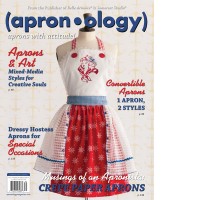
APR-200x200 Christen Olivarez: I think what we’re trying to do is that we’re finding that a lot of our loyal readers and some of our new readers have so many interests that we’re trying to cater to all them. There’s just so much available out there, especially in the crafts realm, people like sewing, so of course we want to have sewing magazines. People like making jewelry, so we want to have jewelry magazines for them.

So we just see a big wide world and that’s why we’re able to create these almost niche of a niche magazines for people. And they seem to really like them. It sounds silly that we have a magazine about aprons, but it’s still doing extremely well. And people who love aprons love aprons. That’s what we’re finding.

So we’re not trying to split people up, we’re just realizing that people have many interests. And so we have a jewelry artist who also wants to find out about launching her own business. Maybe she also likes sewing on the side, so we’re just trying to offer something for everyone.

Samir Husni: What has been the major stumbling block that you’ve faced in the process of launching all these magazines?

Christen Olivarez: I think there’s so much available online. So we’re trying our hardest, especially with craft blogs and Pinterest, there’s just so much on the web and so we’re always trying to find things that are not available there so that people feel compelled to pick up the magazine and they’re not just getting something that they’ve already seen on the Internet.

Our biggest thing is just trying to keep everything fresh so that people feel drawn to pick up the magazine when they could just as easily find something on the computer to make. That’s our greatest struggle.

Samir Husni: And what has been the most pleasant surprise?

Christen Olivarez: That people still get so excited about our new launches. We actually have another one coming out in August that we’re working on and people are still so excited to see what we’re going to do next. And we’ve been around for 20 years and of course readers move on but we still have the same base of readers and they’re still picking everything up and that’s great to see that we’ve built such a loyal base that they can’t wait to see what specialty pub we’ll make the next time. Just to see what tiny little area of crafting that we’ll decide to explore.

Samir Husni: You mentioned that the market may have shrunk a little bit for print, but as a publishing director; do you still think this is a good business and will it continue to be a good business?

Christen Olivarez: I think so as long as people follow smart business models. I think when people try to undersell their magazines and sell them at such a low rate of subscription that’s really hard. And I think that we’re really smart in the way that we handle our business model in that we still keep the high cover price that’s going to keep us in business. If we offered a two-year subscription for $2 we would have been out of business a long time ago.

Staying true to the product is important. We’ve seen some other magazines, not our own, over the years that the quality of the material they use just keeps getting lesser and lesser and it becomes thinner and thinner. And we haven’t changed paper, we’re still buying the same paper and we’re still keeping our page counts higher than ever. So you really just have to stay true to your product.

Also not having to have these huge print counts and just trying to stay small helps us, we’re not trying to be the next huge magazine, we’re just trying to develop a good product that people want.

Samir Husni: You have 32 titles now. If someone asked you which one is your favorite baby, what do you say?

Christen Olivarez: That’s just so hard. I’ve been with the company for almost seven years and I’ve been in charge for a little over three years now. I have to say right now that Willow and Sage has taken me completely by surprise, I can’t believe how much I’ve grown to love it. I think it’s because we got involved with creating a lot of the content ourselves because people weren’t sure of what we wanted when we were seeking submissions from people.

And I feel like when you launch a new magazine it’s so important to set the right tone for the first issue so people will know what to expect and if they want to take part in it and they know what you’re looking for. And we worked so hard on Willow and Sage and I was just so surprised at how much I fell in love with the content and just coming up with the product and the design. It’s really taken over for me.

And then our next launch is actually called Bella Grace and it’s our first time going into the women’s interest section. And it’s not a craft magazine this time. And this is another one that has taken me completely by surprise because I am a crafter at heart and I usually like the craft-related magazines. But these two new launches have completely taken over for me because it’s new and it’s a challenge.

Samir Husni: Tell me a little bit about Bella Grace?

Christen Olivarez: It will launch in August. And it will be in the women’s interest section, which is completely new for us and a little scary, but it’s coming together really beautifully.

Samir Husni: And what about Digital Inspiration, which you launched last month?

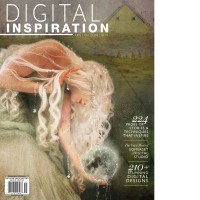
BDI-200x200 Christen Olivarez: Digital Inspiration was fun for us because it was our first Bookazine. We launched it in a larger format with a bigger dimension and what we did was we published so much incredible digital artwork in our other magazine, Somerset Digital Studio, we thought we’d go through and pick our favorite pieces and our best of and go ahead and put it together in a newly designed magazine and hopefully entice people who maybe haven’t seen Somerset Digital Studio to pick up Digital Inspiration and see the artwork coming from that magazine and maybe they’ll pick up the other one as well, because they are in two different areas of the newsstands. Somerset Digital Studio often winds up in the crafting section and our hope was that Digital Inspiration would be in the graphic design section to hopefully entice readers to pick up both titles.

So that one was really fun just learning the new format of working with the larger dimensions. We had to work with a different printing press this time and the different dimensions were challenging and fun and it’s been really well received, which is great.

Samir Husni: So, if someone comes to you today and says, you’re an expert, you’ve been doing this for years and you’ve established a print-driven customer-based business model, high cover price and subscription; I have an idea for a magazine. What advice do you have for them?

Christen Olivarez: I would first make sure that they have a really concrete idea of what they want. We’ve had people come to us before who’ve said I have an idea for a magazine and it’s “this.” And I’ll ask, what visuals will you have to go with it and what kind of contributors? And a lot of times people won’t fully think it out. So there are great ideas, but you have to see how logical they are and make sure there will be a market for it as well.

So I would just say to plan everything. There are a lot of people putting great magazines together, but it’s a lot more work than people realize. They have to make sure they have a great marketing plan too; how are they going to get it to people? It’s not always as easy as it seems. And it might seem easy because there are so many digital magazines out there too.

I would just say you really have to think it through. Will you have advertising, what kind of contributors will you have? You just have to consider every facet of it.

Samir Husni: My typical last question; what keeps you up at night?

Christen Olivarez: For me, it’s all the ideas we have and how we’re going to put them into place and where we’re going to put them. We just have so many ideas and the office is full of people just going back and forth saying, what if we tried this in this magazine or why don’t we try doing this.

I stay up because I get excited and think how in the world are we ever going to do all the things we want to, especially working in a small company. We sometimes have our hands tied with how much we can do with the staff that we have.

And that’s what keeps me up at night…the excitement and how to carry out all our ideas.

Samir Husni: Thank you.